



Flying over the Himalayas, specially Mt Everest in Nepal has been a special wish of ours for a very long time. Even before booking our flight tickets or making our hotel reservations in Nepal I had already booked our flight tickets for the Everest Experience – the flight that takes one over the Mt Everest. Though it was scheduled to be the first thing on the itinerary on the first day of our Nepal trip, it was the last thing that we did on our last day in Nepal! First, there were flight cancellations due to poor visibility, then there were torrential rains amidst deafening thunderstorms and finally a lot of drama. But all’s well that ends well – we did ultimately fly over the Mt Everest. And on what a day – it was the first day of the Nepalese New Year, considered the most auspicious day in Nepal. I guess this was by divine intervention. We saw the glistening rays of the first morning sun of the New Year over the Himalayas. Nepali New Year almost coincides with Bengali New Year and I would like to believe that this was a good beginning to our Bengali New Year as well.
Our flight time was at 6:15 am – so we left our hotel when it was still dark and reached the domestic wing of the Kathmandu Airport. We were booked on Buddha Air. There are a lot of private airlines operating similar ‘Everest Experiences’ flights – Guna Airlines, Agni Air, Yeti Airlines but Buddha Air is supposed to be the most renowned. The name makes all the difference. Lord Buddha doesn’t let anyone down. It sounded the most credible if my earlier conversation with my optimistic brother is anything to go by. ‘Didi (Sister in Bengali), these flights are very dangerous – just a few days back there was a write up in the papers about a mishap…’! He has a very unique way of ‘motivating’ people. There was no other choice. It had to be Buddha Air. My extensive web research also indicated that Buddha Air is the only airline operating brand new, straight-out-of-the-factory, and currently in production pressurized aircrafts in Nepal. The aircraft is manufactured by the US based Raytheon Aircraft Company (now Hawker Beech craft). Each Beech craft cost Buddha Air about US$ 5 million each and and and [Read more…]
Though there are daily mountain flights throughout the year, February, March, April and again October, November are recommended to be good months for viewing the Everest from air. But nothing is certain regarding these mountain flights. A clear visibility of the mountains can never be guaranteed and flights may be cancelled even after one reaches the airport.
Nepal & the Himalaya
The Himalaya is the world’s mightiest mountain range boasting of peaks peeping over 8,000 m (27,000 ft) – famously known as the Eight-thousanders. There are 14 such peaks and more than 100 summits over 7,000 m (23,000 ft) high. It stretches over 2,700 km (1,700 miles) across an area between Kashmir in the West and Assam in the East. A vast shallow sea, the Tethys existed where the Himalaya stands today. The submerged landmasses on either side started pushing towards each other giving rise to these fold mountains. Though the whole process took 5-7million years, in geographical time-frame, the Himalayas are relatively young and continues to rise even today at the rate of 7-10 cm (3-4 inches) every year! Different stretches of the Himalaya is shared between India, Sikkim, Bhutan, Tibet and Nepal.
Himalaya means ‘abode of snow’ and nothing can describe the divine and the pristine feeling that one feels when one sees it for the first time. We had a very slight glimpse of this ‘abode of snow’ in the midst of white clouds, while landing in Kathmandu on our first day. But nothing prepared us for the ecstatic feeling that one experiences when we actually took our mountain flight to view the Everest. Within minutes of take-off from the Kathmandu Airport we were in the white kingdom of the mighty Himalaya. As the snow-capped peaks became clearer with the stronger rays of the rising sun, it became clear why these mighty mountain ranges have mesmerised poets and authors since the early ages. The earliest references of the Himalaya exist in Rigveda, the ancient sacred texts of Hinduism. Even the Indian epics of Ramayana and Mahabharata mention the Himalayas as the region where God dwells. If one doesn’t feel the divine power of the Almighty up here, where else can one feel that? This is probably going to be true for anyone, whichever religion she/he may belong to and by whichever name she/he might pray to God. Even an atheist would feel a super-natural power at play in the existence of the universe.
The snowy Himalaya absolutely overpowers and dominates Nepal, the youngest republic in the world. Of the ten highest mountains in the world, eight of them are in Nepal, including Mt Everest. It’s a cultural, religious and spiritual collage resulting from an assorted influence from all the neighboring countries. Though I am born in Kolkata I have a ‘crawling’ association with the Nepalese language and hence such a strong urge to visit the country from which this language actually originated. Till I was about one and a half years old, we were living in the beautiful Himalayan hill town Kurseong (very close to Darjeeling, another well-known hill town in Bengal) where my father was posted. His posting there in the initial years of his career in the civil services made him very enthusiastic to the Nepalese culture and language. As a result both my parents became quasi-Nepalese! They used to speak in Nepali language and I grew up amidst Nepalese care-givers, the names of a few of them still reverberates in my mind as my Mum keeps on telling stories about them – Golé, Tolu, Ganga, Basanti and so many more. Their names sounded so quaint and sweet in my ears. My Mum also learnt a few Nepali songs, not to mention a few Nepali dishes as well!
The spectacular Everest Experience
As our 19-seat aircraft started ascending, our sweet Stewardess gave us the following leaflet with details of all the mountain peaks we were about to see in our 1-hour flight. Each one of us in the flight had a window-seat. The outlines of the sketches in the leaflet matched exactly to the outline of the mountain ranges in the scenery outside. A very basic photograph of a part of the leaflet…

The amazing Everest Experience through my lenses…

As the tiny 19-seater plane took off the ground, the deafening noise and the palpitation inside subsided as soon as we got our first glimpse of the snow-capped Himalaya with the comforting ‘signal’ of the wings of the Buddha Air peeping through! We slowly flew past the numerous peaks and summits of the Himalaya as have been mentioned in the information leaflet, all bathed in the warm rays of the rising sun. The view was no less than regal.





The first peak that we saw was Gosaithan (8,013 m), also called the Shisha Pangma. To the right of Gosaithan, we saw Dorje Lakpa (6,966 m), then to the right of Dorje Lakpa was Phurbi-Ghyachu which looms over the Kathmandu Valley.
As the plane moved closer to the mountains, the view outside became more and more spectacular. Next we saw Choba-Bhamare. At 5,933 m it seems like the shortest one but believe me this has never been climbed. Then came Gauri-Shankar (7,134 m), spiritually a very important mountain for the Hindus. Lord Shiva and his consort Gauri are said to protect this mountain. This mountain is very sharp and has been climbed successfully for the first time only in 1979. Gauri-Shankar really offers a spectacular view from the plane.
The number of peaks that succeeded are as follows – Melungtse (7,023 m) which looked almost like a plateau, Chugimago (6,297 m and has never been climbed), Numbur (6,956 m), Karyolung (6,511 m), Cho-Oyu (8,201 m, the eighth highest mountain in the world), Gyanchungkang (7,952 m – considered extremely difficult to climb), Pumori (7,161m) and Nuptse (7,855 m meaning West Peak and signifies its direction from Everest).
On our journey, Big Z suddenly asked me ‘Mama, why couldn’t we climb up the Everest?’ I practically started coughing. ‘You most certainly can in your lifetime’ – I told her. This conversation must have really inspired Daddy Dear on his next new mission – trek up to the Everest Base Camp. He is quite certain that this is something that the both of us can at-least do in our lifetimes. Well, why not?
Just before we arrived at the Mt Everest each of the passengers were invited to the cockpit to get a glimpse of the approaching Mt Everest. Finally, there was the Everest (8,848m) – known as Sagarmatha by the Nepalese and Chomolungma by the Tibetans. A cloud cover started to appear suddenly and the pilot announced that perhaps the next mountain flight was likely to be cancelled. In-fact as we found out later that – all the other mountain flights on that day were cancelled!



And finally the Mt Everest! The experience of witnessing the highest spot on earth is something that I may never be able to forget. A life-time experience indeed. The Everest loomed in-front of us overwhelming everything else amidst the white clouds that floated around like white candyfloss. We were at a total loss of words, hypnotised by the Everest and its Eastern Peak – the Lhotse (8,518 m).
Was this heaven? Was this Nirvana? What was this? A place beyond description and adjective. And beyond all dreams.


The vision of Everest floated abstractly in our minds and strangely it didn’t sadden our hearts to leave because I know that the Everest Experience will last forever in our hearts and in my souls. I don’t know whether the same is going to hold true for the Z-SISTERS but then they can re-live the moment by ‘climbing Mt Everest’ as Big Z had suggested!

When we landed at Kathmandu Airport after our spectacular journey, the day had already awakened and a busy day had already started. and travellers and tourists had started thronging the airport once again. It just felt like we had descended from a dream. It seemed to rightly match the certificates that we were handed over by the Buddha Air Staff at the end of our journeys – ‘I didn’t climb Mt. Everest… but touched it with my heart!’
Earlier that day when we had left the hotel for the airport it was still dark. By the time we returned, we were ‘awake’ from all our sublime experiences! Only after reaching the hotel we remembered that it was Nawa Varsa, the Nepalese New Year 2016! It was a special day for us anyway after our magnificent Everest Experience. But it was a special day for every Nepalese. We couldn’t have asked for more – what better way to enjoy a country and a culture than to be in the midst of a festival celebration. The entire hotel was decorated in a very festive way. Special breakfast awaited us. Instead of the standard hotel buffet breakfast we enjoyed a homely breakfast with hot and freshly prepared traditional Puris (fried flour Nepali flat Breads) and Aloo Tarkari (Potato Dish), fresh Water melon juice and hot aromatic Nepalese tea.
A little glimpse of the Nawa Varsa warmth without taking away the highlight of the day, our Everest Experience…


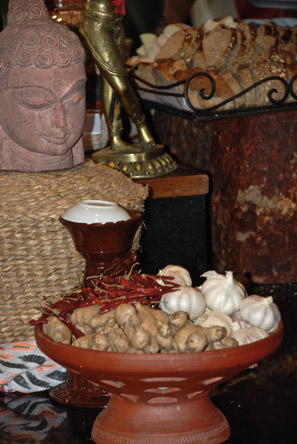
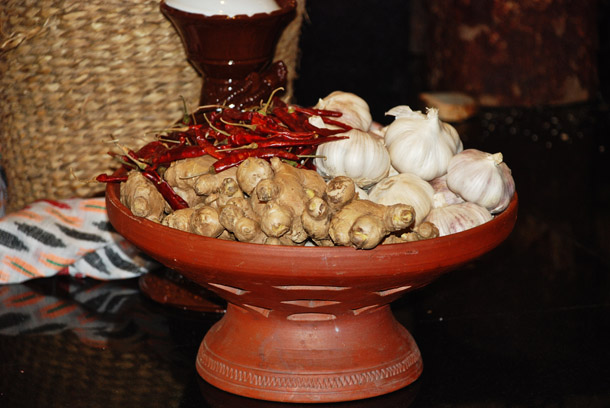


While the next few posts (perhaps a sneak preview into my tentative plans, anyone?) will bring in authentic recipes of special Nepalese dishes as handed down by the Chéf and Cooks themselves and other anecdotes from our trip in Nepal, do take a little peep into the food that we would talk about and the beautiful hotel in Kathmandu that we stayed in. I think it’s going to be a month-long of wishing my dear readers Shubho Nobo Borsho on the occasion of the Bengali New Year and now Nawa Varsa, on the occasion of Nepalese New Year! As long as the good wishes keep on pouring, what’s the harm?
Unblogging it all… Ishita
References or Books I’m reading/ Or lying on my bedside table for reading:
A Golden Souvenir of The Himalaya – Author: Pushpesh Pant
Kathmandu Pokhra-Chitwan – Author: Thomas L.Kelly, Daniel Haber
The Nepal Cookbook – Author: Padden Choedak Oshoe


Related articles over the Web
The Himalayas
Introduction to Nepal
BE SOCIAL. SHARE THIS!

I have just explored my photographic and nostalgic journey into the world of Rôshogolla or Rasgulla – probably the most famous Bengali Sweet in my previous article. Never in my wildest imagination did I expect another volatile mission so soon with my camera and my blogging – on one of my favourite topics – Bengali Sweets. That too traditional Bengali Sweets. But then not many are lucky to have a friend like mine who can not only talk about Bengali Sweets for hours but also couriers and parcels them for friends from across continents and countries.
In the same article I had mentioned my friend Srikanth, a connoisseur in Bengali Sweets and everything that goes into Bengali cooking. Though he’s born a Tamilian, he has probably more knowledge on Bengalis and Bengal than any of us Bengalis. Currently he’s on his way to open his third store in Bangalore which sells traditional Bengali Sweets. And Bangalore is not even next door to Kolkata. Tucked away in the South-Indian state of Karnataka, it is approximately 1920 kms away from Kolkata! I have had to revise my previous post on Rôshogolla or Rasgulla after receiving ‘sweet’ emails containing various minute details about Rôshogolla. So it is hardly surprising that one random evening I receive a parcel full of boxes containing traditional Bengali Sweets from the very famous Bengali Sweet manufacturers – Banchharam, all the way from Bangalore, this time approximately 2700kms away from Dubai! Quite naturally we were elated. Most of these sweets were very traditional Bengali Sweets and were unavailable even in the Bengali Sweet Counter in the Indian Sweet Shops in Dubai. (Mishti or Sweets are officially designated to ‘belong’ to Bengalis. Bengali Sweets are synonymous to an ISO Certicficate in Indian Sweets! Hence, you will find many famous Indian sweet shops outside Bengal with a ‘Bengali Sweet’ Counter or a banner outside the Sweet-shop claiming that ‘BENGALI SWEETS AVAILABLE HERE!’)
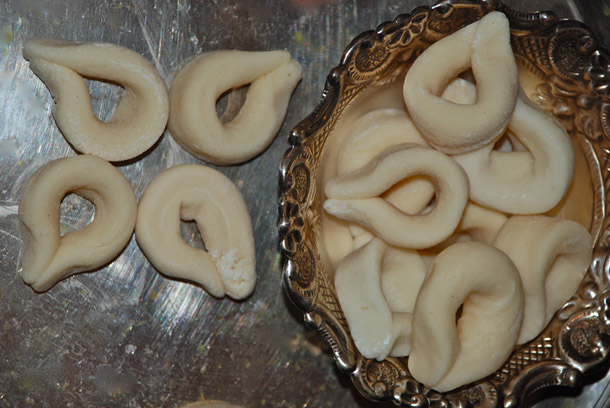
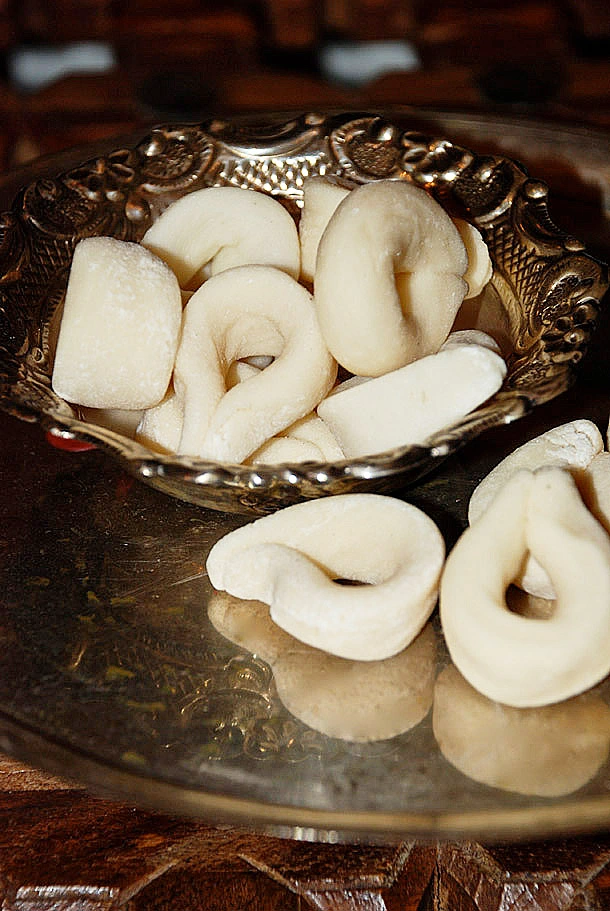
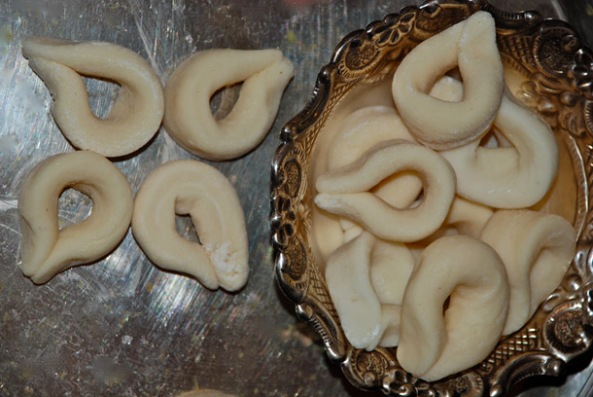
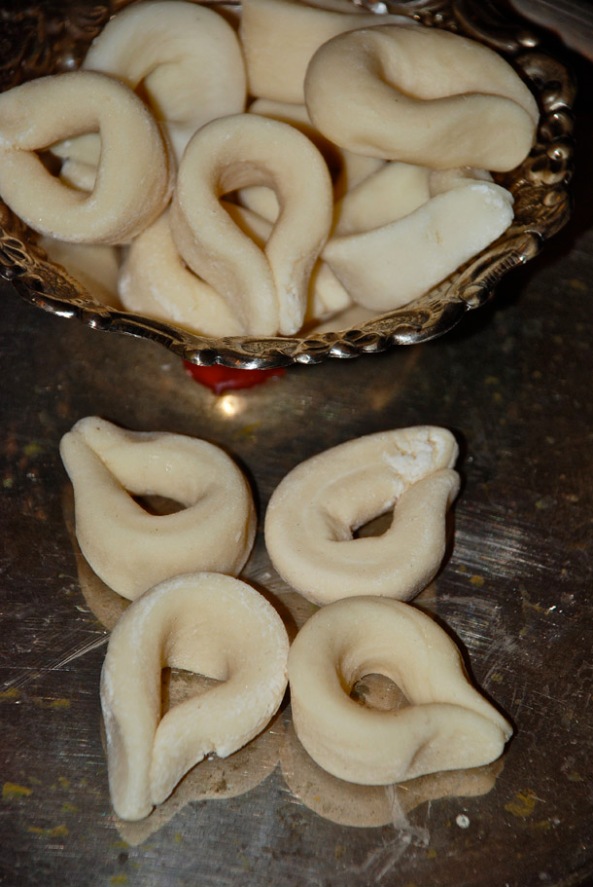
So here’s presenting some of the most traditional Bengali Sweets which have lots of childhood memories and nostalgia attached to them. For example – Gujias, a traditional festive sweet. Or the Jibe Goja (Jibe means tongue and these sweets are elongated tongue-shaped ones, hence the strange name!) which I associate mainly with the Prasad from Puri’s Jagannath Temple (Prasad is a food that is first offered to a deity in Hindu method of worship and then consumed by the worshiper later as the food is considered to have the deity’s blessing residing within it).
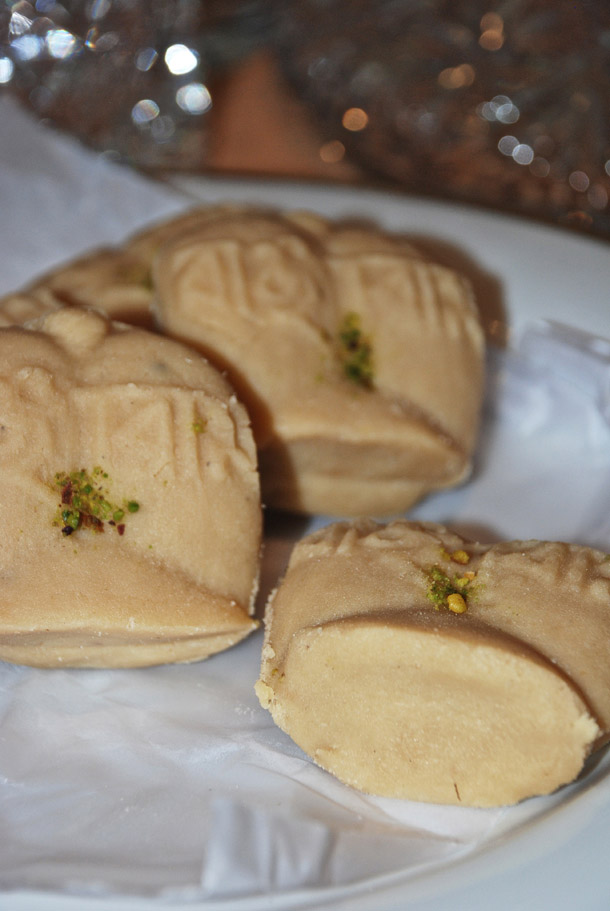
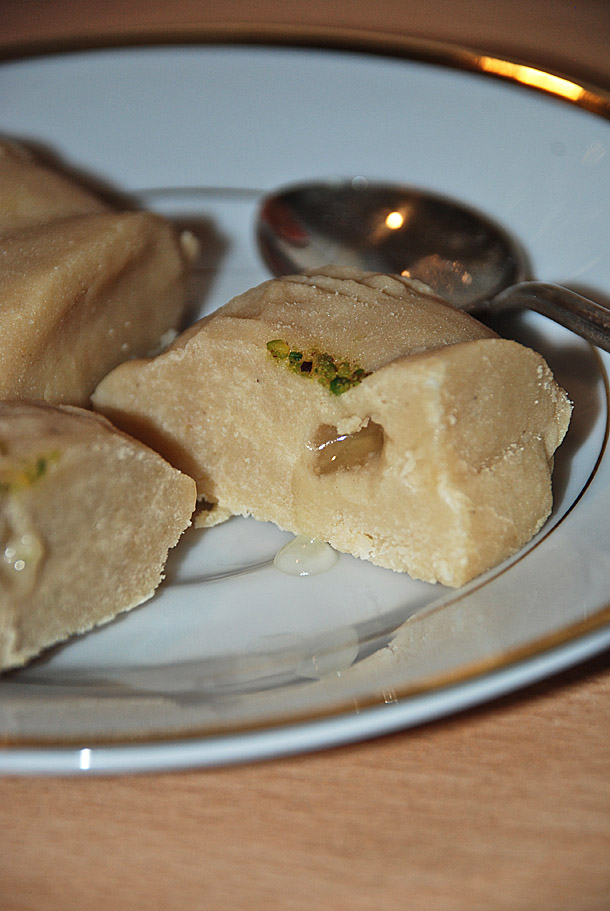
Then comes the Jolbhora and Abaar Khabo. The former literally means ‘filled with water’ and the latter means ‘will eat again’! Both are very special type of Shondesh – a typical Bengali sweetmeat not available in many Indian Sweet Shops abroad. Opening these sweet boxes opened the floodgates of my childhood nostalgia. I started telling the Z-SISTERS everything about Bengali sweets and tried explaining to them how each sweet shop in Kolkata or a region and town in Bengal has it’s own signature sweet, a comprehensive list of which has been brilliantly done here.
The Gujias…
The Jalbhoras…
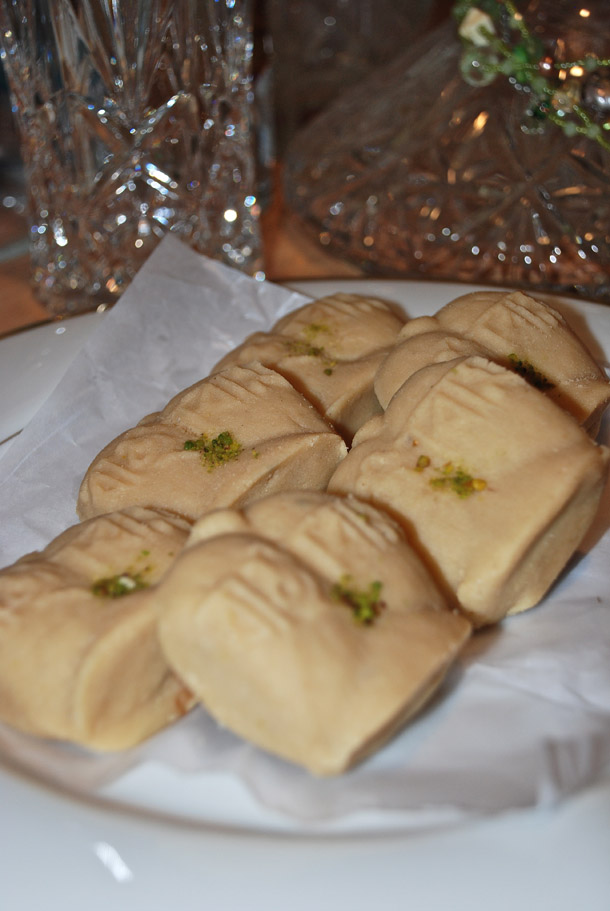
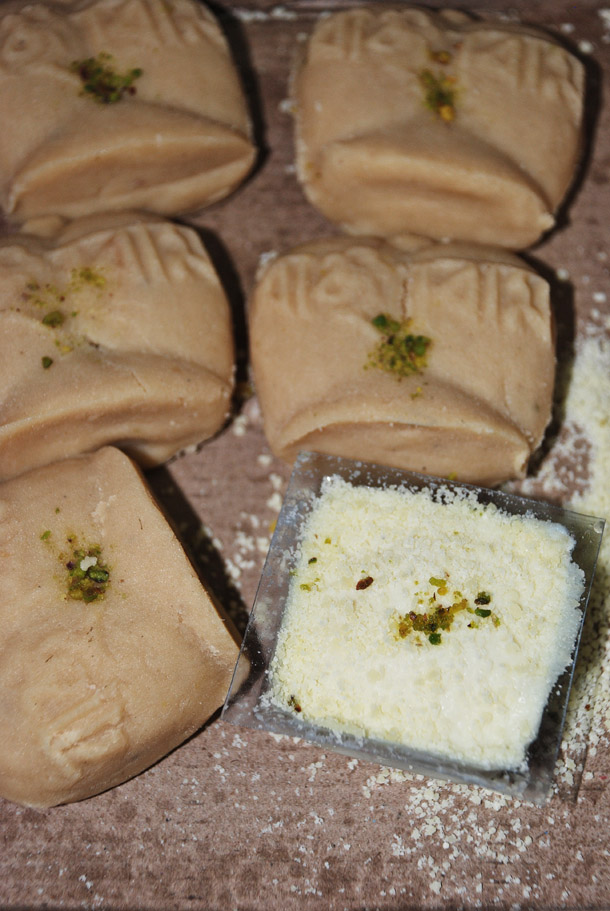
The Abaar Khabo…
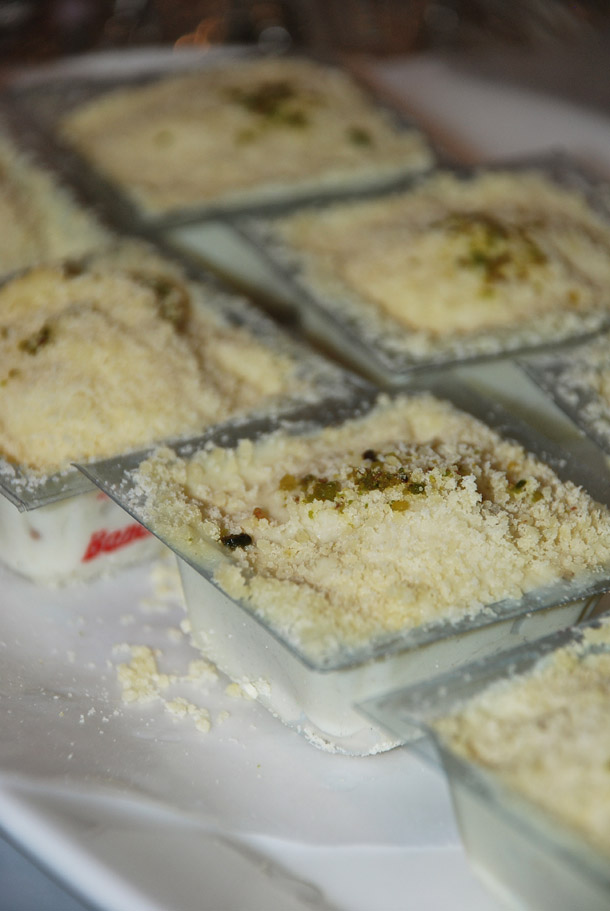
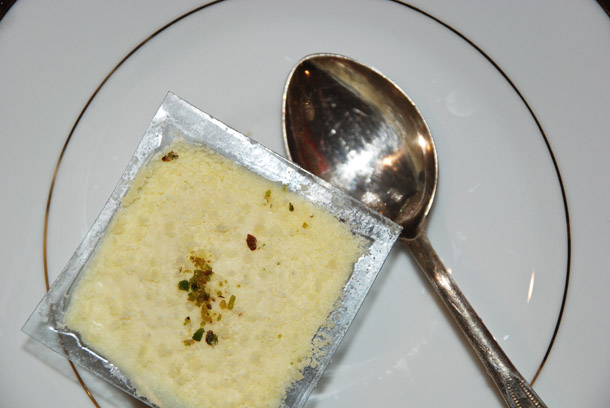
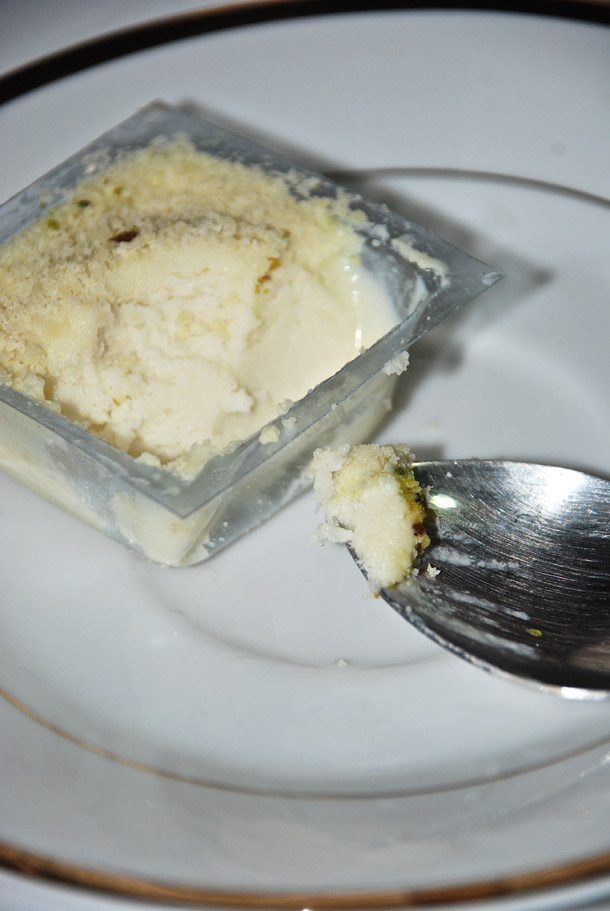
And finally, the Jibe Gojas and the Kheerer Gojas…
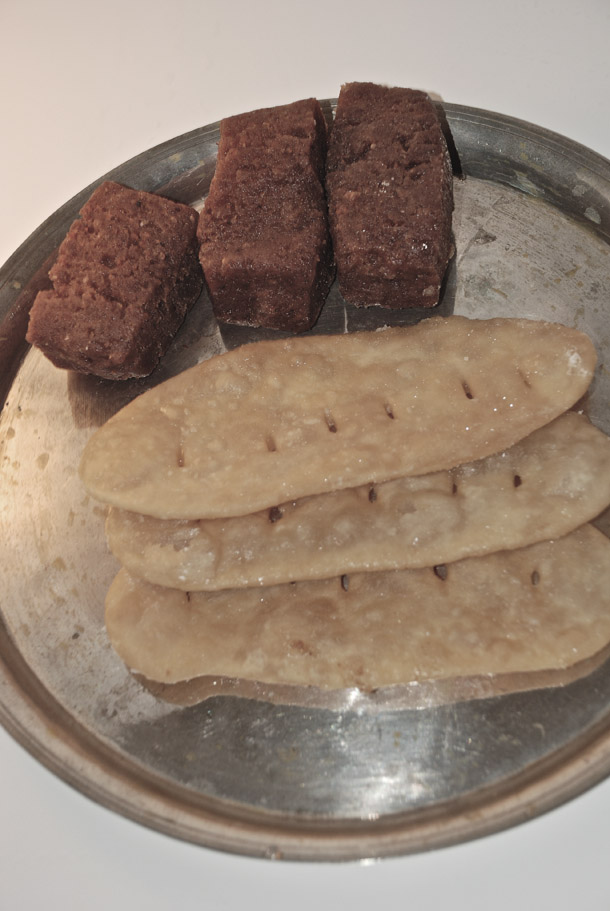

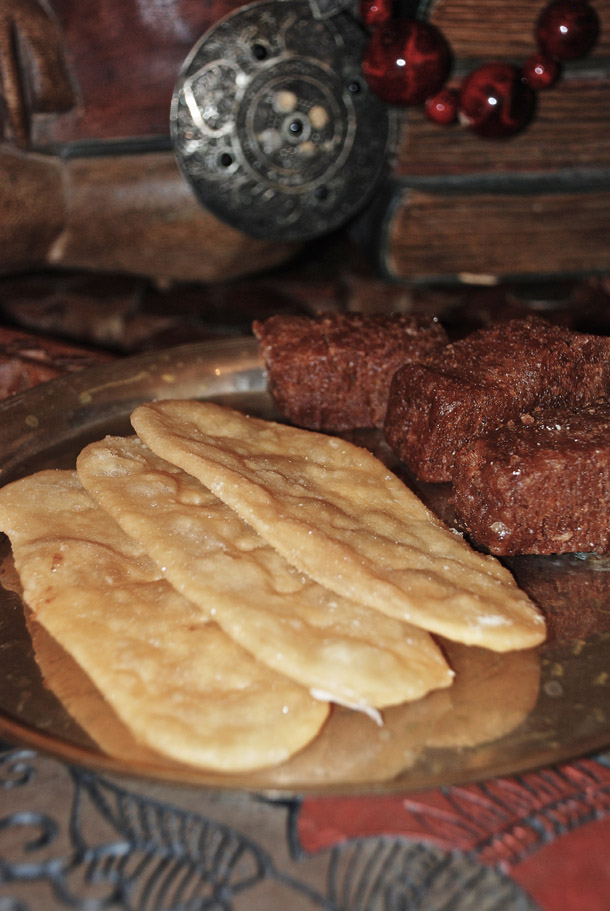
Here is the link to my ecstatic journey into photographing the Bengali Sweets that came by parcel! I genuinely wish that I could also add the sense of taste and touch to my posts so that you could get more than just the visuals. And the way technology is evolving, may be someday we will be able to to that as well – 4D Blogging. But till then –
Unblogging it all… Ishita
Recipes and other Food Banters
Icecream Rasgulla with Blueberry Sauce Inspired by Holi
Cumin Beetroot Cold Salad – A Summer Salad
Mango Lentil Soup/Aam Dal – The Summer Combat
Daal Maharani Befitting the Queen (And Also Us)
Sikarni Raan/Marinated Lamb Shank from Yak & Yeti
Easter Egg Curry Cooked By Easter Bunnies!
Mashed Potato Bengali Style/ Aloo BhaatéRôshogolla (রসগোল্লা) – Bengali’s Own Sweet
BE SOCIAL. SHARE THIS!

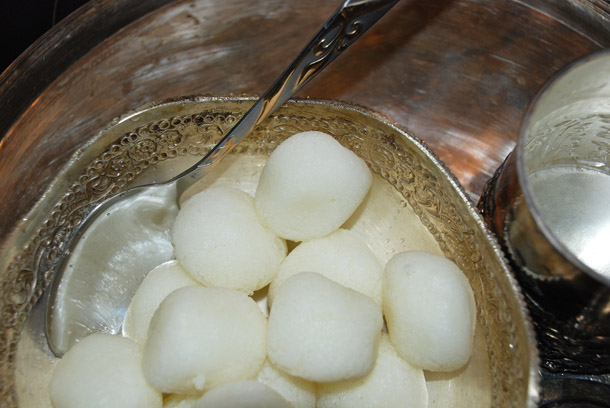
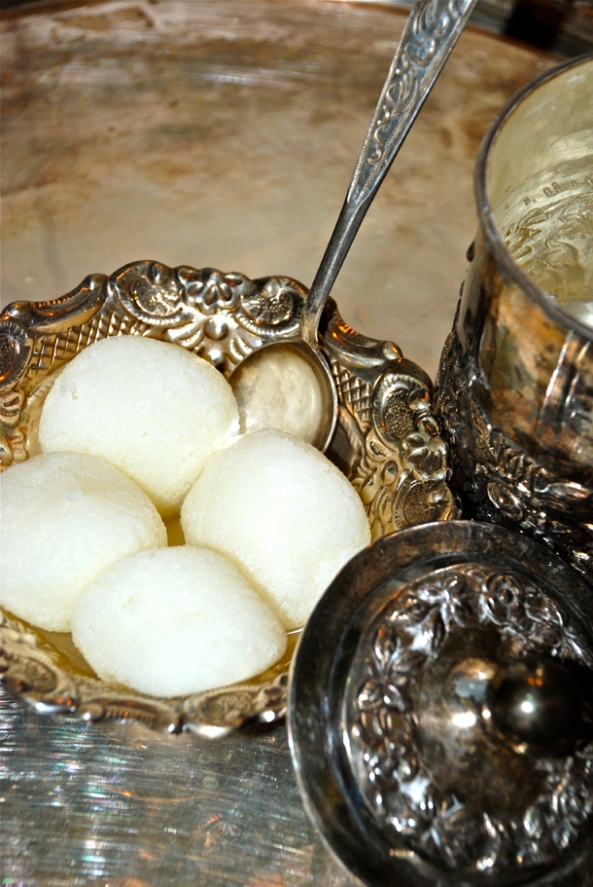
We are just 2 days into the Bengali New Year and what better excuse can there be than this to share a bit of Bangaliana (everything Bengali) with everyone – the ones who are already familiar with Bengali culture and tradition and also those who are absolutely uninitiated to it. But where to start and how to start? When you grow up amidst a certain culture it becomes so much a part of you that it is not very easy to dissect oneself from it and write about it, specially if the intention is to introduce that culture to the world. But nothing is impossible. One just has to make a decent start. Should I write about a traditional Bengali recipe? That might be a first in my blog as I have been writing a lot on Bengali Fusion Food that doles out from our kitchen. Or should it be a nostalgia from childhood? Or perhaps it could be some sweet talk about a Bengali Sweet since Bengalis are synonymous with Sweets.
I decided to settle on the latter but on a more controversial note. Rasgulla or Rôshogolla (as is pronounced in Bengali) is perhaps the most famous of Bengali Sweets but would Bengal fall apart if I were to say that the Rôshogolla doesn’t even belong to Bengalis and has been imported? So is Chhana or the Indian cottage cheese with which these quintessential Bengali Rôshogollas are so proudly made up of! It definitely would but that should not take away the entire ‘sweet’ glory away from Bengal.
Behind the story
Mishti or Sweets are officially designated to ‘belong’ to Bengalis. Bengali Sweets are synonymous to having ISO Certicficates in Indian Sweets! Hence, you will find many famous Indian sweet shops outside Bengal with a ‘Bengali Sweet’ Counter or a banner outside the Sweet-shop claiming that ‘BENGALI SWEETS AVAILABLE HERE!’
Sweets are a necessary sign-off for a traditional Bengali meal. You end your meal with Chutney (Chutney is a sweet, tangy paste and can be made with every conceivable fruit and even vegetables! For example – Aam/mangoes, Jalpai/Olives, tomatoes, Anarosh/pineapple, Tetul/tamarind, Pépé/papaya and various other type of fruits. Dry fruits like Khejur/dates, Kishmish/raisins may also be added to it. While cooking Chutneys are splashed with Phoron/Mustard seeds cooked slightly in oil or Paanch-Phoron/5 seeds cooked in oil. Papad/Big chips like flakes made up of Potatos or Dried Daal usually accompanies the Chutney). After the Chutney comes the formal dessert tasting! The choice in Mishti/Sweets is absolutely endless. This is a category that has catapulted Bengal into a different quotient of sweetness. Mishti Doi/ Sweet yoghurt, Bhapa Doi/Steamed Yoghurt, Payesh/ Sweet dessert made with rice, milk and sugar, Rasamalai, Pantua, Lyangcha, Chamcham, Chanar Jilipi, Rajbhog, Rasakadambo…
And then there is THE Rôshogolla!
Rôshogolla defines a Bengali character as well as Bengali talent. Bengalis are supposed to possess sweet voices and they sing well – yes, you guessed it right – probably because of Rôshogolla! Evidence indeed suggests that most of the greatest singers and composers in the Indian music industry specially the Hindi film industry are all Bengalis starting from the legendary Kishore Kumar, RD Burman, Salil Chowdhury, Manna De to today’s singers like Kumar Shaanu, Abhijit, Shaan, Shreya Ghoshal, Monali Thakur and many others. The Bengali language is very soft and flexible, again you guessed it right – because of Rôshogolla! Half a million Bengali girls have nicknames like Mishti, Mithi, Mithu etc and all these are Bengali terms meaning Sweets or Sweetness. In-fact Bengalis are supposed to possess round faces, that too because of our association with Rôshogolla and not the Mongoloid connection!
The history of Rôshogolla:
Rôshogolla is a Bengali’s most famous culinary weapon. Unfortunately this famous sweet didn’t even originate in Bengal. Rôshogolla originated in the Indian state of Orissa, a neighboring state of Bengal where it is pronounced as Rasagola. They are made from balls of Chhana (an Indian cottage cheese) and semolina dough, cooked in a sugar syrup. And the variations of Rôshogolla is also unique and popular. Now, Rôshogollas have become popular throughout India and other parts of South Asia.
In Orissa, Rôshogollas, also known by its original name, Khira mōhana has been a traditional Oriya dish for centuries. The inventors of Rôshogollas are thought to be the Kar brothers, the descendants of a local confectioner, Bikalananda Kar, in the town of Salepur, near Cuttack. Even today these Rasgullas famously named as Bikali Kar Rasgulla, are sold all over Orissa. Many variants of these Rasgulla are available and are popular in many parts of Orissa.
In the middle of the nineteenth century, Bengali cuisine borrowed heavily from Oriya culinary traditions and the popularity of Rasgulla spread to the neighboring state of Bengal. A sweet seller named Haradhan Moira may have introduced the dish to Bengal. In the year 1868, Nobin Chandra Das, a local confectioner of Kolkata, simplified the recipe to make sponge Rasgullas. His son, K.C. Das started canning the product and made the Rôshogolla the biggest Bengali export to the world. Today, several other Indian sweet makers from places such as Bikaner and Delhi as well as manufacturers such as Haldiram’s have started manufacturing canned Rôshogollas. More recently, it has been marketed by the Kar brothers as well. In Nepal too the Rasgulla is popular under the name Rasbari. (The History of Rôshogolla – Source Courtesy: Wikipedia)

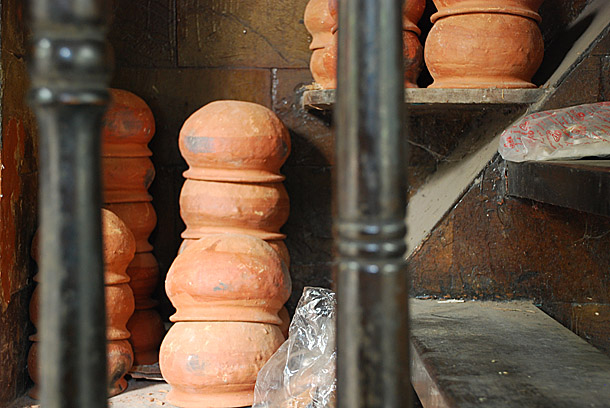
Though canned Rôshogollas are probably the only choice for many Rôshogolla-desirers outside Bengal or India, traditionally they are sold in clay pots called handis. The above photograph of mine is from a very famous sweet shop in Kolkata where how the handis are stacked is equally important as the making of the Rôshogollas!
There are lots of famous sweet shops in Kolkata and each Sweet Shop is famous for it’s own signature sweet. But sometimes our emotions are stuck with one little sweet-shop in the neighborhood. My emotions are similarly stuck with a small sweet shop called ‘Maity Sweets’ tucked in a corner around the market area – Ghugudanga Bazaar by the Repose Clinic off the ubér-posh Ballygunge locality and Ironside Road. Here the Rôshogollas are mini-sized and super-soft, priced at INR 1/piece and the rates haven’t changed since the last 15 years! Every guest at our home has fond memories of Maity-r ek-takar Rôshogolla (meaning Maity’s Rôshogollas that are priced at INR 1!)
My very good friend, Srikanth is a connoisseur in Bengali Sweets and everything that goes into Bengali cooking. Though he’s born a Tamilian, he has probably more knowledge on Bengalis and Bengal than any of us Bengalis. Currently he’s on his way to open his third store in Bangalore which sells traditional Bengali Sweets. And Bangalore is not even next door to Kolkata. Tucked away in the South-Indian state of Karnataka, it is approximately 1920 kms away from Kolkata! I have had to revise my original post after receiving a ‘sweet’ email containing various minute details about Rôshogolla. So here’s the revised post as an ode to my Tamil friend who’s now turned completely Bong (the ubér-cool term for a Bengali)!
Variations of Rôshogolla
Rôshogolla variants come under the Genre ‘Rokom‘ which is made from Cow’s Milk and is made of pure Chhanna:
– Notun Gurer Rôshogolla are the seasonal variations of Rôshogolla with addition of Notun Gur or Season Fresh Jaggery during the winter season thereby producing beige-coloured Rôshogollas. This is a gastronomical experience that probably cannot be translated into words.
Types of Rôshogolla
– Khasta ie crunchy
– Odisha type Khasta ie crunchy like in Orissa where they also add Suji/Semolina
– Sponge
– Half Sponge
Derivatives of Rôshogolla
These may consist of ‘Bhaja Misthi’ or Sweets that have been fried and are made up of Channa, Kheer/khowa and Maida/White Flour.
– Pantua consists of chhana balls deep fried in oil before being soaked in syrup – this is a Bengali version of the well known Gulabjamun
– Lyangcha is also similar to Pantua but has an elongated shape (the Z-SISTERS call these sweet sausages!)
– Malai chop, consists of prepared chhana that is sandwiched between a layer of sweetened clotted cream
– Rasmalai consists of Rôshogollas where the sugar syrup is replaced with sweetened milk.
– Kamalabhog mixes orange extract with chhana and produces big orange-coloured Rôshogollas smelling of fresh oranges.
Importance of Chhana
Chhana is fresh, unripened curd cheese widely used in India and Bangladesh and is a crumbly and moist form of Paneer (Indian Cottage Cheese or farmer cheese or curd cheese made by curdling heated milk with lemon juice, vinegar, or any other food acids). This Cutting of the Milk to make Chhanna ie Acidification is the most important factor affecting the quality of Rôshogolla. Chhana is created in a similar process to Paneer except that it is not pressed for as long. Though the Paneer can be traced back to the Vedas dating back to 3000 BC and has an Indian origin, Chhana that is the base for most of the Bengali Sweets has been imported from Portugal and can be traced back to the Portugese settlements in Bengal during the 16th Century AD.
Important Factors Affecting the Quality of Rôshogolla
– The Cutting of the Milk to make Chhanna ie Acidification is the most important factor affecting the quality of Rôshogolla
– Rosh or Chasni ie the thickness or BRIX of Sugar Syrup
– The temperature and the way the medium ie the previous day’s whey water, vinegar, lime is introduced to cut the milk (the best results are produced when you slowly introduce the acid medium into the milk)
There is a superb conversation going on here regarding the making of Rôshogollas. It is a definite read for those who are attempting to make Rôshogolla at home.
A Nostalgic association
My maternal grandmother comes from Bhatpara, which is a suburban town and a municipality under North 24 Parganas, a district in the state of Bengal, India. It is situated on the bank of Ganges or the Hooghly river. Bhatpara is known for its rich traditions and renowned for its Sanskrit cultural heritage and learning. There are a number of sweet shops in Bhatpara and the residents and the descendents with any association with this place is famous for their sweet tooth. Rôshogollas here are coated with actual sugar particles – taking the intensity of the Bengali sweetness to a different category!
It is not unusual that my beloved Dida or my maternal grandmother was an expert in making sweets – and sweet pickles. She made elaborate and artistic Bengali Sweets which looked and tasted equally awesome. The laborious process in making these took most of her days and probably night too. We would wait to see what sweets she had specially prepared for us. To make a serious issue lighter, it is also not unusual that she took Insulin injections till her very last day along with one Rôshogolla that followed her meals!
The traditional importance of Rôshogolla
In the coastal city of Puri in Orissa, the Rasgulla has been the traditional offering to the Hindu goddess, Lakshmi (the Hindu Goddess of Wealth), the consort to the Puri temple’s main deity, Jagannath. In fact, it is an age-old custom inside the temple to offer Rasgullas to Lakshmi in order to appease her wrath for being ignored, on the last day of the eleven day long famous Rath Yatra (chariot festival). Only after the goddess has savored Rasgullas, do the trinity of deities re-enter the temple precincts after their sojourn. Rasgullas are distributed to the numerous devotees who throng to witness the event. This intricate ritual, called Niladri Vijay, has traditionally marked the commencement of the festival every year.Scholars believe that the sweet may in fact owe its origin to the very temple itself claiming that the Rasgulla might be more than 600 years old and is as old as the Rath Yatra in Puri! The Rath Yatra, which started more than six centuries ago, has not changed with times. And until today, Rasgulla is the only sweet offered to Mahalaxmi, Jagannath’s consort, to appease her when the deities return home. Traditional Oriya folklore likens even Lord Jagannath’s round eyes to Rasgullas. It has been suggested that Bengali visitors to Puri might have carried the recipe for Rasgulla back to Bengal in the nineteenth century. (The traditional importance of Rôshogolla – Source Courtesy: Wikipedia)
Serving of Rôshogolla
Though Rôshogollas are usually served at room temperature, nowadays various experiments have led them to be served chilled. Or sizzling hot when they have just been freshly prepared. Or even frozen to make Icecreams Rasgullas – notable among them are Notun Gurer Rôshogolla Icecream from the popular Bengali restaurant 6 Ballygunge Place (in Kolkata as well as in Bangalore). You could also enjoy a very easy preparation, an experiment from our very own kitchen – Icecream Rasgulla with Blueberry Sauce!
Even though the knowledge that both Rôshogolla and the Chhana does not solely belong to the Bengalis and have been imported, can be really heart-wrenching, it can’t take away the entire legacy of Bengal in sweet-making. Rôshogollas will eternally belong to the Bengalis. And with that sweet note, here’s wishing everyone happiness, health, wealth & prosperity on the occasion of the Bengali New Year.
Unblogging it all… Ishita

Links to more images of my photographic journey into the discovery of Rôshogolla and other Bengali Sweets.
Following articles will introduce you to Bengali Food or Kolkata (the way I see it and feel it!):
Through Food:
Traditional Bengali Cuisine – An etymological explanation of our food-fetish
Bengali Sweets That Came By Parcel! – Gujia, Jibe Goja, Abaar Khabo & Jolbhora
Easter Egg Curry – Recipe; Bengali Fusion, Traditional Bengali plus Continental
Mashed Potato Bengali Style/ Aloo Bhaaté – Recipe; Bengali Fusion
Yoghurt Aubergine with Pomegranate – Recipe; Bengali Fusion
Purple Haze Yoghurt with Purple M&Ms – Recipe; Bengali Fusion
Icecream Rasgulla with Blueberry Sauce – Recipe; Bengali Fusion
Through Writing:
Terraces and Beyond
Living by the water with sunset as prop – Kolkata & the Ganges
Magistrate’s House, No 1 Thackeray Road, Alipore
Auto, my ultmate road crush – Kolkata
The unlikely twins – Oberammergau & Kolkata
Relates articles over the web:
– Paneer
– Chhana
– Use of Cottage Cheese in Bengali Sweets
– The Portugese Settlements in Bengal
BE SOCIAL. SHARE THIS!

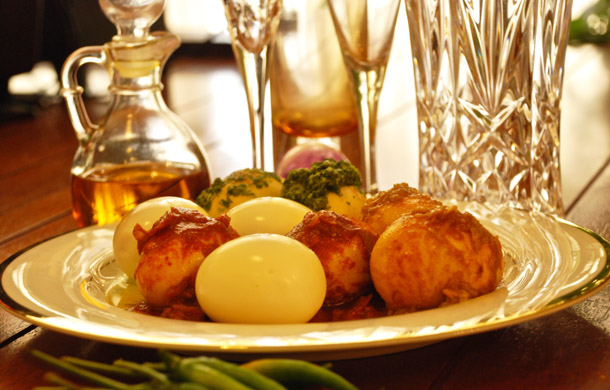

Easter is here. Springtime’s here. Time for the Z-Sisters to get all excited – it’s time for Bunnies to bring in the chocolate eggs. Only this time, I tell them, that there’s going to be no chocolate eggs. The Easter bunnies have learnt to cook and they are going to bring in cooked eggs!
‘I want white eggs!’ says Li’l Zl. Easy – she’s gonna get them. Plain boiled eggs – easy peasy!
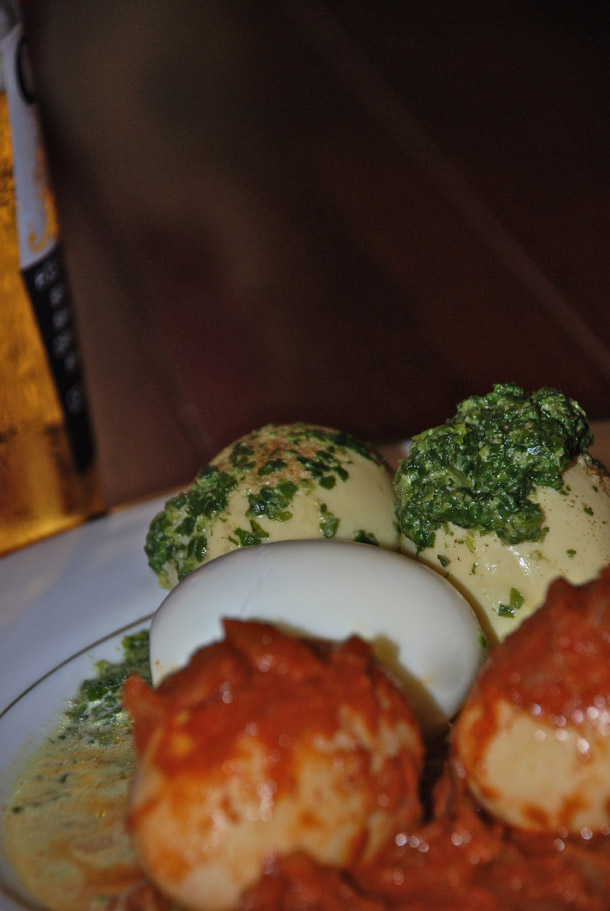
‘I want green, no wait, I want yellow!’ screams Big Z. Oh-oh! Okay, fret not. Mum-in-law’s traditional Bengali Egg Curry/Deemer Dalna for her then. But, how do we make green eggs? No food colouring, please. Let’s make Spinach Egg for her!
‘Daddy what coloured eggs do you want? Bunny’s bringing in cooked eggs this time.’ Daddy looked skeptical and answered back promptly … “Please ask the Bunnies to make red, spicy eggs for me!’
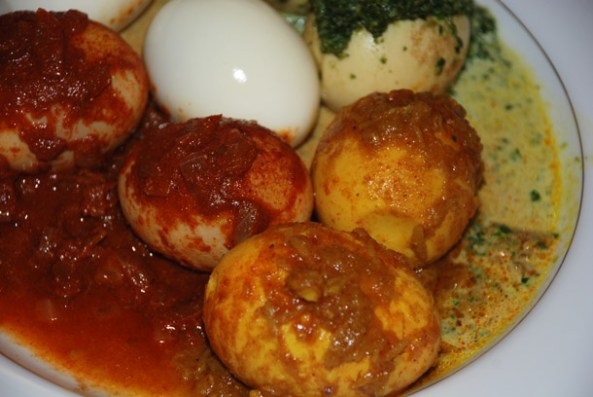
So we ended up cooking 3 kind of Egg Curries – yellow, green and red.


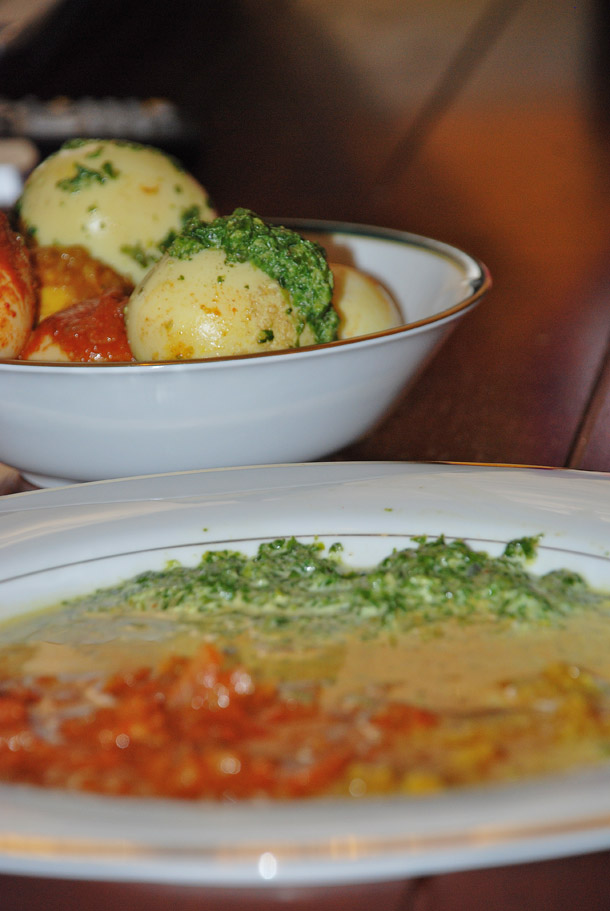
For our Egg Basket (plate in our case) – we chose 2 eggs from each of the coloured curries and all the 4 hard boiled eggs. We poured a bit of gravy from each type of Egg Curry making sure that the spoons didn’t get mixed up and tilted the plate from left to right and vice-versa, mixing the gravies slightly so that each coloured gravy mixed with the other colour while making sure at the same time that the taste of each curry remained intact and distinct.
See the the gravy palette for yourself – red and yellow and green, then yellow and green and finally red and yellow…


For the printable recipe→
Easter Egg Curry
Category – Side-Dish ; Cuisine type – Traditional Bengali, Bengali Fusion and Continental
Serves 6-8
Preparation time: 45 minutes (boiling the eggs – 10 minutes; 10 min each for the 3 different types of curries)
Ingredients:
20 eggs – hardboiled
For traditional Bengali Egg Curry (yellow egg curry)/ Deemer Dalna
6 eggs
1 big onion
4 green chillies
Cumin powder- 3 tsp
Turmeric powder-1tsp
Bay leaves – 2 medium sized
Ginger grated – 2 inch size of Ginger
Garlic grated – 4 pods
Mustard Oil – 2 tsp
Ghee -1/2 tsp
Salt – As per taste
For garnishing – Roasted Garam Masala Powder – 1/2 tsp (Garam Masala comprises of Cloves, Cardamom, Cinnamon Sticks. Take 6 cloves, 6 Cardammoms, 4 Cinnamon Sticks – grind it and then roast the powder in a hot wok)
For Spinach Egg curry (green egg curry) – Continental Style
6 eggs
2 bunches of Baby Spinach
1 big Onion
Garlic Powder – 1 tsp
Black Pepper Powder – 1/2 tsp
White Oil – 2tsp (We use Canola Oil, even Olive Oil which is meant for cooking)
Butter – 1/2tsp
Cooking Cream (low-fat) – 1/2 cup
Salt – As per taste
For Hot Spicy Egg Curry (red egg curry) – Indian Style
4 eggs
1/2 onion
Garlic grated – 2 pods
Ginger grated – 2 inch size of Ginger
Kashmiri Red Chilli Powder – 2 tsp (this is for the red colour!)
Red Chilli Powder – 1 tsp (this is for making the Egg Curry spicy hot!)
Turmeric powder – 1/2 tsp
Cumin Powder – 1 tsp
White Oil – 2tsp
Sugar – 1/2 tsp (Grandma’s secret to get the right spicy taste – combat the hot spicy taste with a bit of sweetness ♥)
Salt – As per taste
For White Boiled Eggs
Just smile!

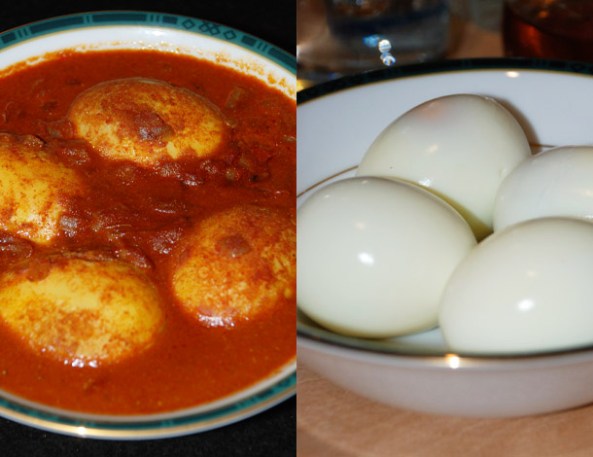
You will find here more photos of our egg hunt
Method of Preparation
Traditional Bengali Egg Curry (yellow egg curry)/ Deemer Dalna
– Fry the eggs lightly and keep them aside
– Fry the onions till they are red
– Slit the Green Chillies into halves (You may keep them as whole Chillies if you want it less spicy)
– Add the Bay leaves, turmeric powder, Cumin Powder, Green Chillies and fry for 1 minute
– Add 3 cups of water and salt as per taste
– Cover the pan and simmer at low seam for 5 minutes
– Add the eggs and let it simmer for 5 more minutes
– Add 1/2 spoon of Ghee for flavour
– Garnish with 1 tsp of roasted Garam Masala Powder
Spinach egg curry (green egg curry)
– Wash the Baby Spinach and blanch for 5 minutes
– Purée the Baby Spinach in a blender for 2 minutes but not to very smooth paste
– Fry the eggs lightly and keep them aside
– Fry the onions lightly
– Toss the blanched Spinach, Black Pepper Powder, Garlic Posder and fry for 5 minutes
– Add 2 cups of water and salt as per taste
– Cover the pan and simmer at low seam for 5 minutes
– Por in the Cooking Cream and the eggs and let it simmer for 5 more minutes
– Add 1/2 spoon of butter for flavour
Hot Spicy Egg Curry (red egg curry) – Indian Style
– Fry the eggs lightly and keep them aside
– Fry the onions
– Add the grated Garlic and Ginger
– Add the Kashmiri Chilli Powder, Red Chilli Powder, Cumin Powder and fry for 1 minutes
– Add 2 cups of water, the sugar and add salt as per taste
– Cover the pan and simmer in low seam for 5 minutes
– Add the eggs and let it simmer for 5 more minutes
–
Li’l Z had 1 white egg and 1 green egg – That was a wonder of wonders as she struggles with even half an egg, but then everyday Bunny doesn’t deliver cooked Egg Curries!
Big Z had 1 green egg, 1 yellow egg and wanted another green one!
S had 3 red eggs while I had 1 red egg, 1 yellow egg and wanted another one! I was happy that the gravy mixed amongst themselves well but not too much and retained it’s own taste and flavour.
Well, that was lunch. For dinner – the Z-SISTERS had more eggs. S and I skipped dinner. The rest are for tomorrow’s breakfast – probably we are going to make Easter Egg Sandwiches – the details of which I am going to spare you all since we need to be packing for a small Easter vacation.
Here’s wishing you all a very Happy Easter and Happy Holidays! Enjoy wherever you are, be very very happy and safe and don’t forget to eat a lot. Dieting – after the vacation!
Unblogging it all… Ishita
Other Recipes
Cumin Beetroot Cold Salad – A Summer Salad
Mango Lentil Soup/Aam Dal – The Summer Combat
Daal Maharani Befitting the Queen (And Also Us)
Sikarni Raan/Marinated Lamb Shank from Yak & Yeti
Purple Haze Yoghurt With Purple M&Ms
Mashed Potato Bengali Style/ Aloo Bhaaté
Icecream Rasgulla with Blueberry Sauce Inspired by Holi
BE SOCIAL. SHARE THIS!

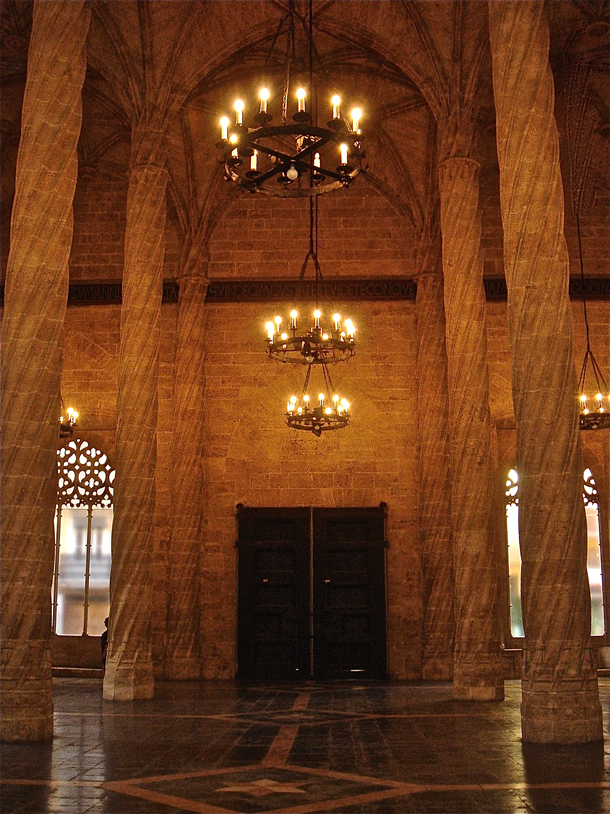
Our Spanish escapade starts with Valencia. Situated on the Turia River, this is the third largest city in Spain. Why Valencia? It comes 7th on the list of the best cities to visit in Spain (Madrid, Barcelona, Granada, Seville, San Sebastian, Bilbao and then Valencia. I guess I am a bit weird – I always support the losing team when I watch a match (until and unless my country is playing), I always choose the broken piece of muffin that lies in the tray because no body else will probably buy it, I start visiting lonely shopping malls as if the shops are waiting for the few dirhams that I might end up spending.
Valencia didn’t fit into the above three categories (a losing match, the broken muffin or a lonely shopping mall category). There were absolutely 3 different reasons for visiting Valencia and in order of the lowest priority level to the highest priority level they were –
1) La Lonja de la Seda or the Silk Exchange – This Gothic styled civil building built between 1482 and 1548 is considered by UNESCO as a World Heritage Site since 1996 as “the site is of outstanding universal value as it is a wholly exceptional example of a secular building in late Gothic style, which dramatically illustrates the power and wealth of one of the great Mediterranean mercantile cities” which when translated into my kind of English means ‘the most stunning, most important and best preserved examples of Late Gothic architecture in entire Europe’. One more place to add to my list of UNESCO World Heritage Sites that we had already seen.
2) The Da Vinci Code – After reading this novel by Dan Brown, I’ve gone into various trails in search of the ‘Holy Grail’ or the Chalice*. The Valencians claim that a chalice known as the Santo Caliz, which is said to be the famous The Holy Grail lie in the Cathedral of Valencia, Spain. All evidence supposedly suggest that to the cup used by Jesus in his Last Supper is indeed in the Valencia Cathedral. So like a moth flies to the fire, I ran (flew, I mean) to Valencia!
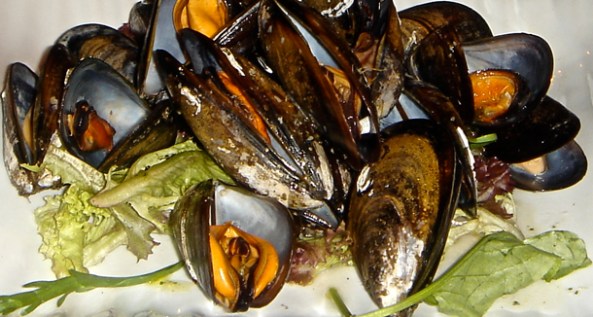
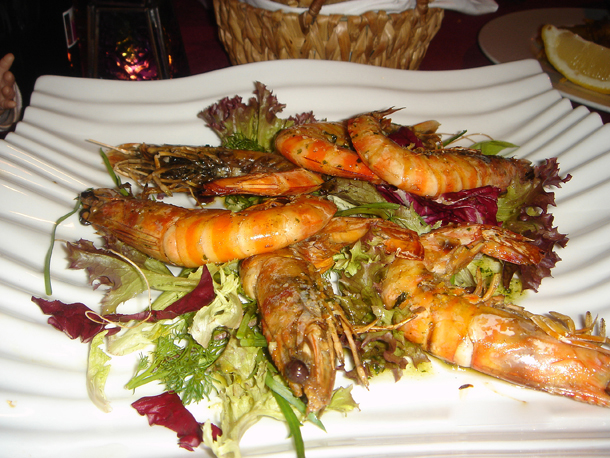
3) Paella – this is perhaps the reason. Yes, Paella was invented in Valencia! If you ever tasted the Paella Valencia, you’ll forget that other Spanish cities ever existed or any other Paella existed for that matter!
World’s shortest essay on Paella
Paella (pronounced “pah-eh-ya”– the ‘ll’ is pronounced as a ‘y’) is a matter of local pride and every Valencian mother claims to make the best Paella. I had always associated Paella with sea-food but only in Valencia did I come to know that the dish originated as a poor man’s dish or should I say poor men’s (collectively) dish, a labourer’s meal cooked together in a large quantity over an open fire in the fields and eaten directly from the pan with wooden spatulas. Chicken was added only on some special occasion. Rabbits, ducks or the cheapest meat like snail meat were often added to the dish. And sea-food was just a random experiment that must have turned viral! Making Paella was an elaborate process and it would be eaten over the next few days – an USP that some restaurants actually use. Please don’t get surprised to find a placard like this – ‘Home-cooked Paella, made yesterday!’
You can actually find communal paella cooking and Paella cooking competitions in village festivals like Tomatina festival* (an annual festival which takes place in Buñol, 38 km west of Valencia. Spaniards and tourists from all over the world gather in the town to throw 115,000 kilograms of tomatoes at each other!) If you are initiated into Bollywood [Hollywood’s counterpart in Bombay] you must have had a fair dose of this Tomatina Festival as the very popular Hindi film Zindagi Na Milegi Dobara had an entire song shot on this film. A song is an integral part in a commercial Hindi film and helps bringing in tourists in drove. If you don’t believe me then you may ask the Swiss Government. Infact, the Swiss Government has officilly recognised the importance of Bollywood in Switzerland’s tourism!
The Lonja de la Seda
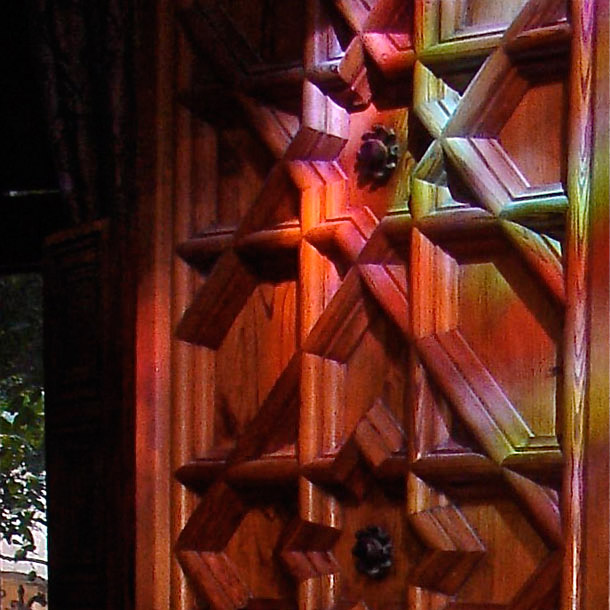
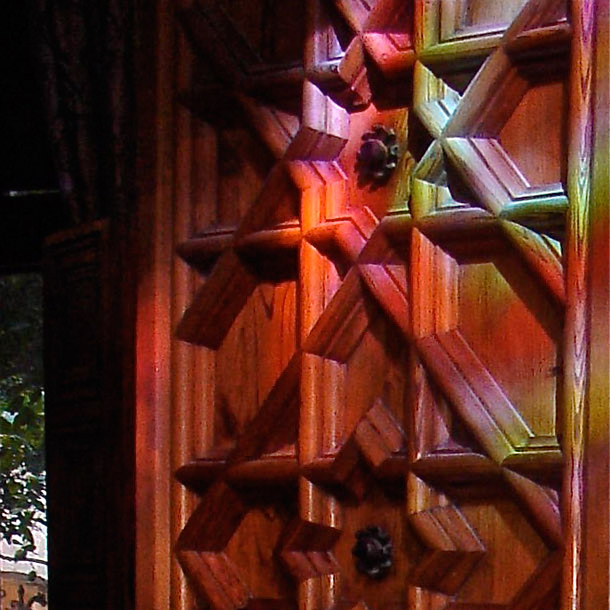
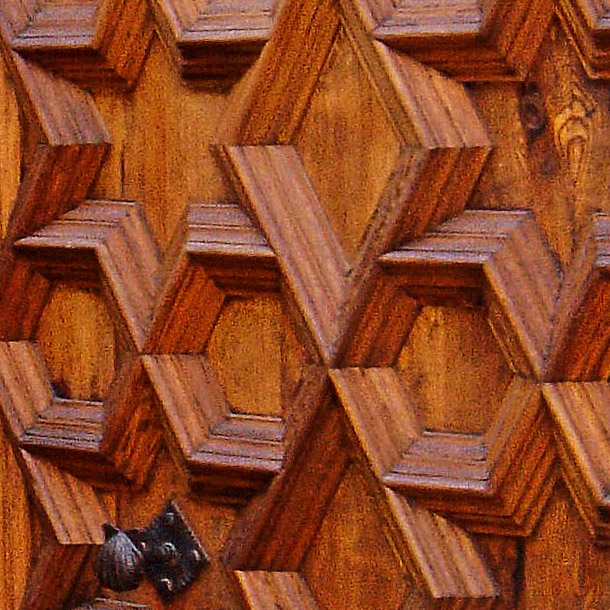
As we enter the Lonja de la Seda or the Silk Exchange, reflections and shadows seemed to be following us. Sun-rays drifting through the stained glasses and falling on the mosaic-ed tiles or through the curved grills and onto the wooden doors. The Silk Exchange reflects the golden era of Valencia and was built lavishly. The main hall, Sala de Contratacion (The Contract Hall) is enormous, lavishly decorated space supported by gorgeous twisted columns. Here, merchants would meet, deal and sign. The honesty of its traders is honored by the inscription that runs around the main contract hall.
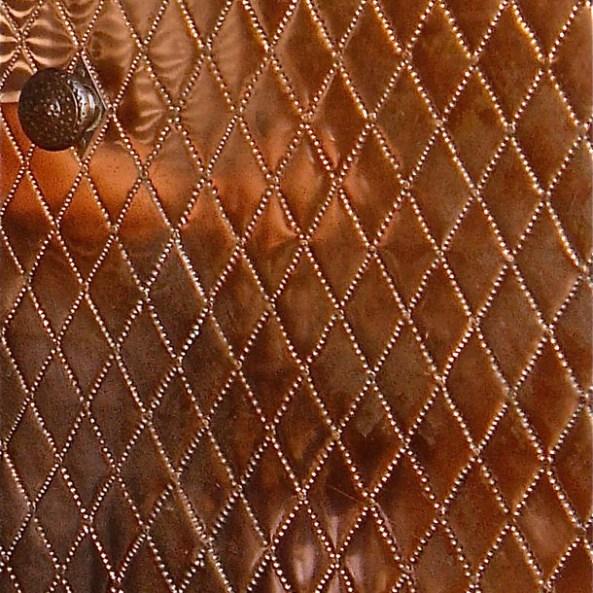
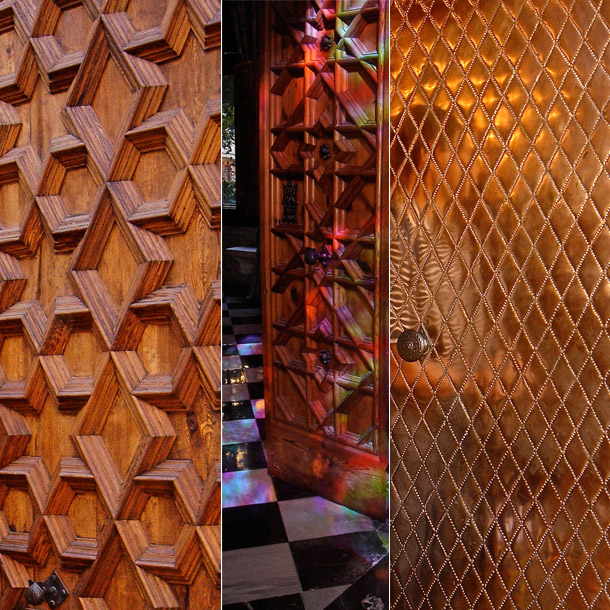
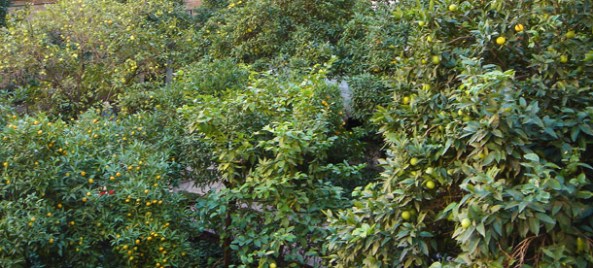
One of the parts of La Lonja is the Orange Garden – a walled court-yard. Suddenly we are all out in the open as we whiff in the fresh aroma of oranges. Valencia, located near the fertile east coast of Spain is known for it’s very sweet oranges and rice. Infact, the Valencia orange is one of the sweetest oranges used for juice extraction. But if you think that the Valencia Orange that we squeeze into making delicious orange juices came from this Valencia, then you are absolutely wrong. Wikipedia tells me that the Valencia Orange is a sweet orange first hybridized by Californian agronomist and land developer William Wolfskill, on his farm in southern California. This patented orange hybrid was later sold by him to the Irvine Ranch owners, who planted nearly half of their lands to its cultivation. The success of this crop in Southern California led to the naming of Orange County, California!
By the way (well its me and not the Wikipedia anymore!) oranges are so important in this country that the official mascot of the 1982 FIFA World Cup, which was held in Spain was an orange. The mascot was called Naranjito (little orange) and wore the colours of the Spanish football team uniform. How cute is that?

La Catedral de Valencia
Dan Brown, The Da Vinci Code, The Holy Grail, The Chalice, a Cathedral, the sun-rays reflecting on the Cross etc – all these resulted in, well what can I say – the blurriest pictures I’ve ever taken in my life! I have always refrained from making any political or religious comments on my blog. My blog was meant to be filled with only ‘Travel and Road and Food Banters’ and wishing that we could travel the world without boundaries and visa formalities. So I feel the need here to clarify the reason behind my excitement – The Da Vinci Code! The essence of growing up in a multi-cultural city like Kolkata was that we would celebrate all festivals from all religion and we were interested by many aspects from different religions (Previous articles – Living by the water as Sunset as Prop -Kolakta & the Ganges, The Magic of Christmas!). And The Da Vinci Code added more fuel to the drama! Even in Paris I had been on this ‘chalise’ hunt (won’t spoil the fun for those who haven’t read The Da Vinci Code and also preserve a topic for writing on another day).
Anyway, apart from the Chalice, there are 2 paintings of Goya as well in the Cathedral museum – the feather on the cap or cup, should I say?



The Moorish influence
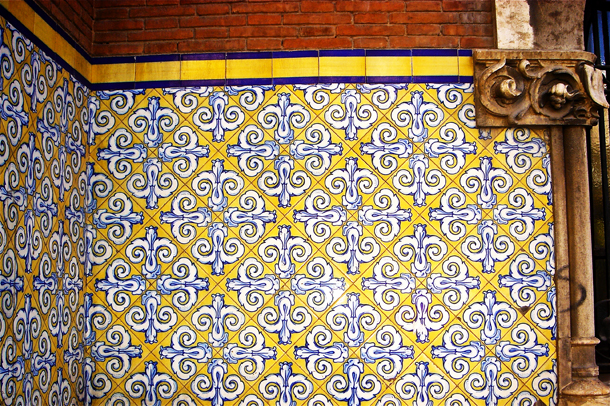
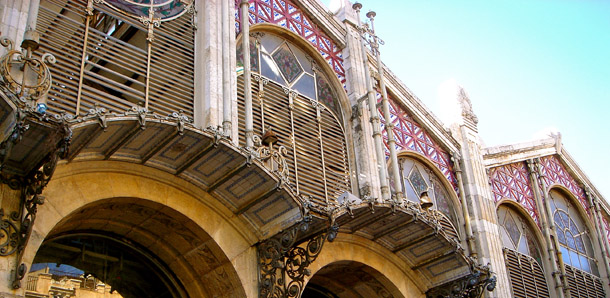
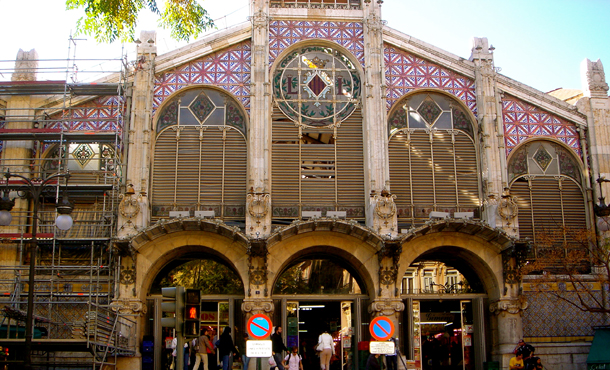
From the 8th to the 13th century, Valencia was under the Moors. This is evident from some of the architecture, the decorated tiles, the courtyards intricate arches and lancets. There were intricate tile work everywhere – in the staircase, verandas, walls. To be honest I was planning to uproot one tile from one of the restrooms in a restaurant that we visited!
The Spanish Siesta
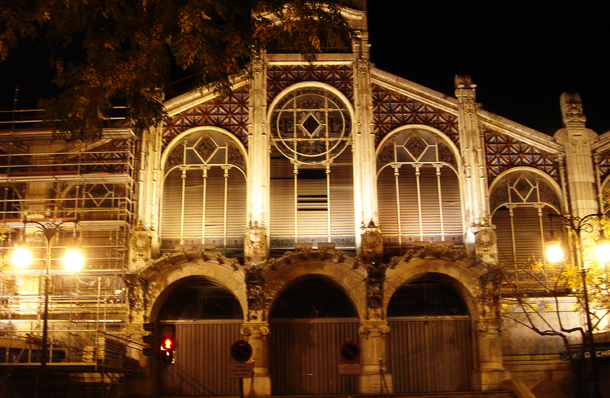
The traditional local market above actually reminded me of a local market that we used to have in Park Circus Kolkata. Now, modern walls have taken over the old walls and probably will not look like this anymore. If you have been wondering why every picture has been shot in two modes – day and night, then there’s a very big explanation to that. The day we landed in Valencia, it was mid-day. Everything was closed. The entire city looked absolutely run-down. Chairs were turned upside down over tables, in-front of the restaurants, shops had their shutters down, there were no cabs anywhere – it seemed as if a spell was cast on Valencia. Or there was some curfew.
My internet search before going to Valencia had overlooked one single word Siesta. The siesta is the traditional daytime sleep that every Spaniard is very proud of. And siesta is definitely the biggest and the most popular Spanish export to the world as well! So strong is the influence that the siesta culture has spread to whichever countries Spain had set up colonies or settled themselves, starting from many Hispanic American countries to the Philippines!
The Siesta time is maintained to the tee! The restaurants don’t serve lunch before 1pm. And lunch seemed to continue till 4pm. Then suddenly the entire city goes into a deep slumber. And they won’t open till 9pm. Even at 8:45pm if you stand in-front of a restaurant it looks as if they have shut down business!
I am sharing an answer that I found really funny over the net on the exact Siesta timing –
[Q: What time is siesta?
A: If you are visiting a foreign country that has a siesta, the siesta starts about a quarter of an hour before you get hungry. So when you want to buy some food or have a mid-day meal, all the shops, cafes and restaurants are closed because it is siesta time.
The siesta continues until you are no longer hungry, but all the shops, cafes and restaurants have re-opened.]
So true! I had a long list of what we should be eating in Valencia and we ended up having our first meal in Spain at McDonalds! This is all because when we were hungry the restaurants would still not serve lunch and then after the whole day when we would return to our hotel around 8pm the locals would stare at me – as if I was a ghost pushing a sleeping baby in the pram so early at 8pm! I would look at the local parks which were now getting crowded slowly with skids screaming happily and playing football. And I would watch them from the window of our hotel room. At 11 pm the kids are still playing football. Slowly around mid-night they would start packing up. What a life for the kids, I mean!
We prepared ourselves accordingly on the next day. We stuffed ourselves with cereal bars bought from the local supermarkets during our lunchtime so that we could just eat and eat during the Spanish Lunchtime! Again stuff ourselves with cereal bars during our dinner-time and again eat and eat to our heart’s content during the Spanish dinner-time! And then try walking back to our hotel after mid-night amidst the shops and restaurants trying to pack up for that day and that night. Conscious eaters, aren’t we?
One lesson learnt – the restaurants around the La Catedral de Valencia doesn’t follow the local rule – they adhere to the tourists. They serve lunch and dinner whenever the tourists want!
We walked through each road and place thrice – once during the day when nobody was around (during the Siesta time), then again during the evening (8pm!) when the roads were bustling and finally after mid-night when the shutters were down and everybody was packing up! And I took lots of pictures when we were walking through the empty streets – the urban dilemma of modern architecture vs traditional architecture, the narrow alleys vs newly-constructed broad roads, the run-down houses vs swanky apartments, the rich vs poor – all these seemed familiar. Very much like Kolkata, the city where I come from originally.
Some pictures from those little walks…
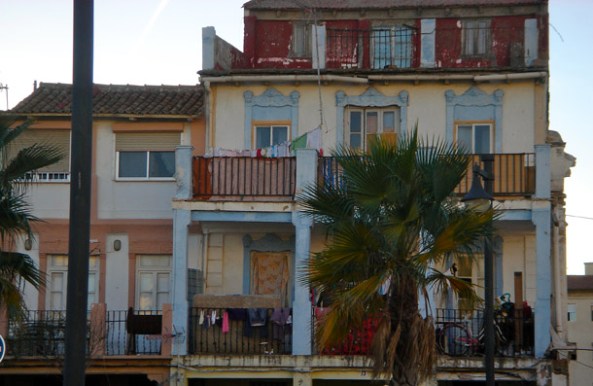
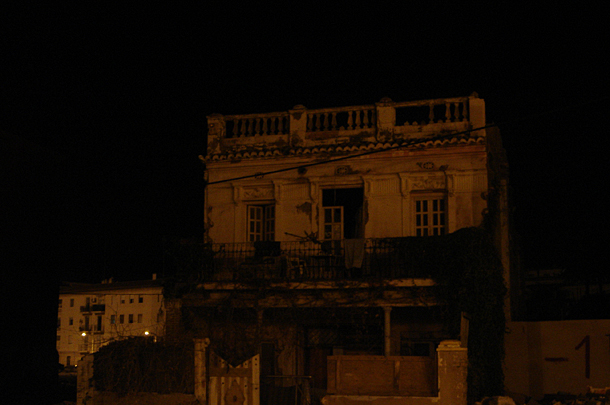

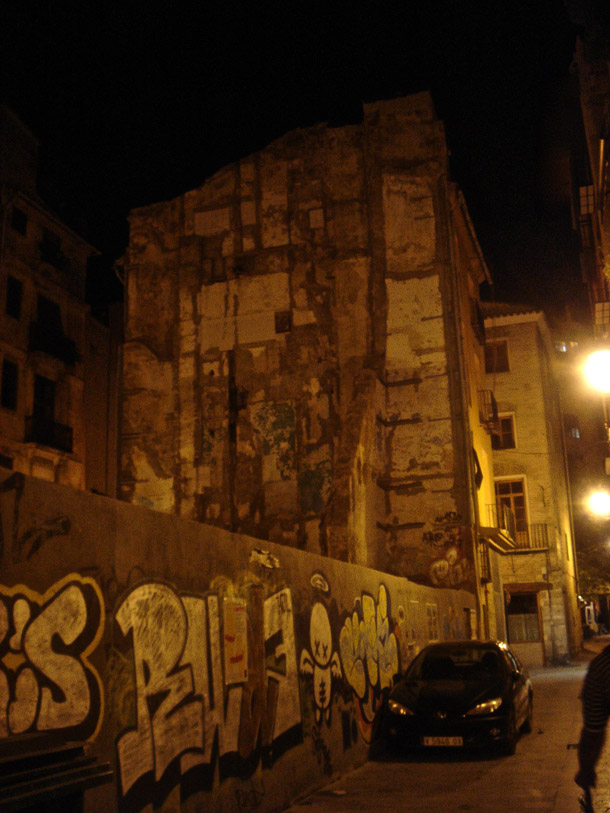
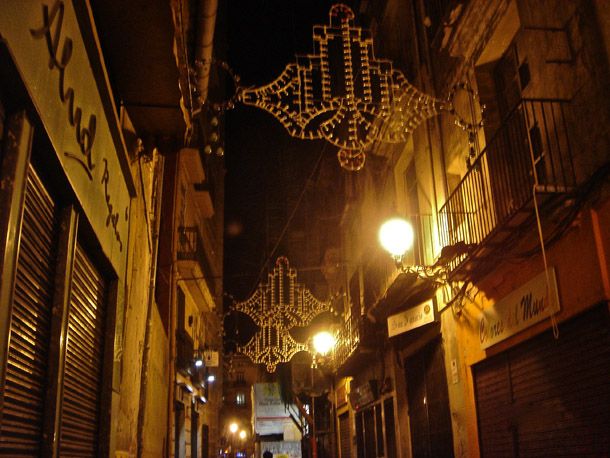
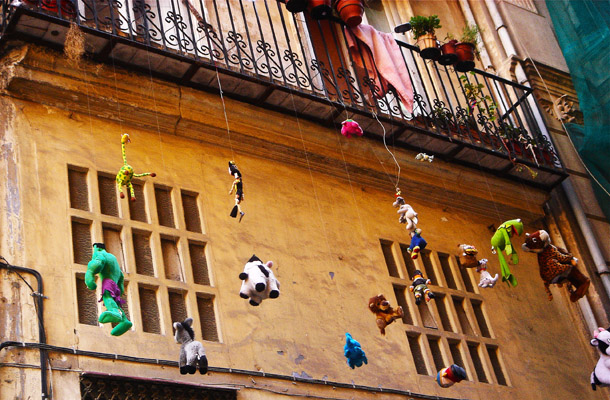
Found the above house so unusual – torn out soft-toys hanging from the balcony. I was curious but it seemed eerie as well. But couldn’t see anyone I could ask for some explanation – it was Siesta time and Valencia was under a spell from Sleeping Beauty’s witch!
Finally, Spanish Food & Paella
Either I can write on Food or Travel. The last few posts I’ve concentrated on Food, hence this post focuses on Travel. In any-case, I have already written the World’s shortest essay on Paella in the beginning and am not venturing further into food apart from another food myth of mine that got busted – Tapas is not actually a type of food but the way of making it. And it comes free in most restaurants in Spain, specially in Granada, Andalusia from where Tapas originates! Or Barcelona! Tapas comes from the word – tapa which means a small snack. Tapas can form an entire subject of study with the following topics – Tapas Tours in Spain; Where You Can Get Free Tapas in Spain, Free Tapas in Spain; Tips on How to Get Good Free Tapas etc. The serving of tapas has been designed to encourage conversation as people otherwise tend to focus only on the big meal that is set before them. Also, in some countries it is customary for diners to stand and move about while eating tapas.
Well then, Tapas is probably not for us. We talk till we order the food. And when the food comes (big meal or small meal that is, whether it is Tapas or it is Biriyani) we just start eating. No food can ever encourage conversation amongst us! Or make us move around!

The You will find more images of our Valencia journey – some blurry as well!
The following is a renewed check-list so that we can come back to Valencia one more time just to tick off the following list:
1) Didn’t eat a typical Tortilla de patatas(potato omelet) or buy very typical pots and pans from the local markets to make it at home in-case we came across an
2) Same for Spanish Omelette – missed it as well (the first day we had all our meals at McDonalds, remember?)
3) Attend Las fallas (15th to 19th March) – the festival that celebrates the tradition of different communities that are trademark of Valencia. There are huge bonfires, fireworks over the river each night and flower offering to the Virgin.
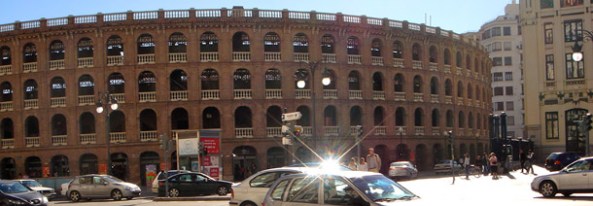
And another thing that happens during this time is Bull Fighting – a sport for which I might not be strong enough to watch. Bull Fighting also happens during the July Festival though there is very little Bull fighting tradition in Valencia. But might not want to miss out altogether if it’s happening!
And finally
4) Tomatina festival – We have to experience this once for sure. Check out this video –
Well, in case we lose the above list, we can always come back for the crispy blue skies, to smell the aroma of cooking drifting through the windows, to see the children playing out in the open parks till mid-night, eat every type of Paella that is made in Valenica and finally to eat more tapas but this time at places where they serve them for free!
And by the way, if you Google search paella valenciana in the hope that you’ll get an authentic paella recipe – you’ll be connected to a catering service in San Diego, CA (http://www.paellavalenciana.com/). My friends staying in CA can order some Paella from there. And the rest of us have to Google re-search!
Unblogging it all… Ishita
You may like to read my other articles on Europe




Relates articles over the web –
Valencia
La Catedral de Valencia
Valencia Oranges
Moorish Architecture
The Da Vinci Code
La Lonja
Tapas, More on Tapas
Spanish Cuisine, Spanish Food Recipes
Paella, More on Paella
Spanish Omelette
BE SOCIAL. SHARE THIS!

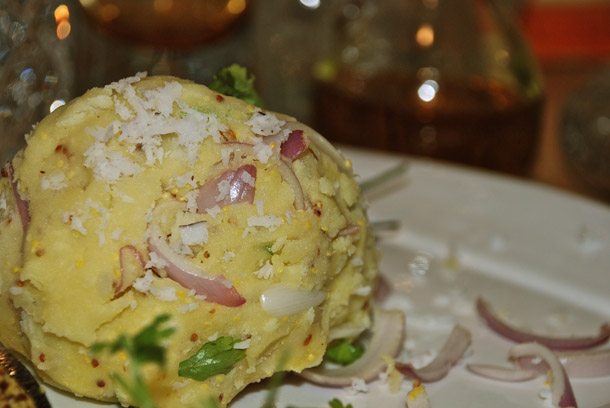
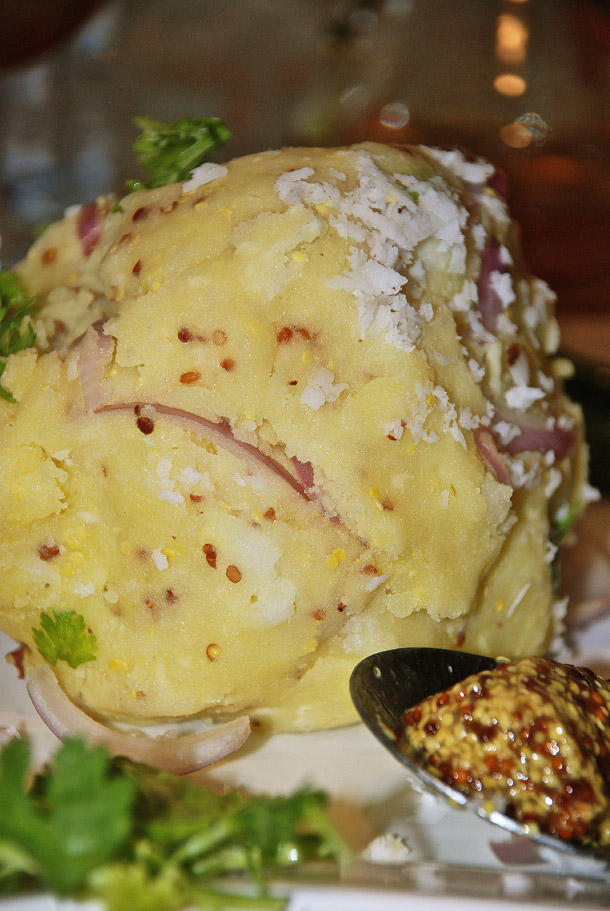
Steamed in Rice or ‘Bhaaté’
In Bengali, mashed steamed vegetables are called ‘Bhaaté. The term literally means ‘In Rice’. It must have originated because very often these vegetables were traditionally steamed in the same pan in which the rice has been cooked. Mashing these steamed vegetables – assorted vegetables or any particular vegetable along with a dash of Mustard Oil or Ghee (Indian clarified butter), the Bhaaté creates a delicious and a healthy accompaniment to plain white Rice and Daal (lentils). Bhaaté or Mashed Vegetables of Aloo/Potatoes, Kumro/Pumpkin, Ucche/Bitter Gourd etc are very popular. Add to the Mash a bit of chopped green chillis or onions, may be some fresh coriander leaves, a little dash of Mustard Oil and a bigger dash of Kasundi, a pungent mustard sauce used as a dipping (specially for another Bong favourite – Fish Fry) and a quasi side-dish is ready!
Bhaaté is also called Makhaa (literal meaning – squashed or mixed) but I prefer to address by the former as the latter meaning connotes a lot of mess. Bhaatés make me absolutely nostalgic. I have got the strongest holiday memories of Bhaatés. When we would return from vacations and holidays and my Mum would be too tired to stir up anything in the kitchen, she would just steam a whole lot of vegetables and put the Daal/lentils (usually Masoor or Moong Daal) in a soft white cloth and tie it up and cook them all along with the Rice. Occasionally, she would put eggs into the crowd as well for boiling. And our lunch would be plain Rice, Daal, vegetables and the boiled eggs – all mashed up with a pinch of salt and dollops of butter or a generous spoonful of Ghee! The simplest recipe and the simplest meal – but absolutely divine.
Well, I am so glad today that ‘take-aways’ or ‘home-deliveries’ were not in fashion in those days and my Mum had to stir up something even when we came home tired. I am not a selfish or an inconsiderate daughter. Just thinking whether my childhood memory of a topic like Baahté would at all exist had there been such frequent ‘take-aways’ or ‘home-deliveries’ when I was growing up!
Our 2 year long stay in Germany has made me realise that you can have an entire blog dedicated to Potatos. Though Potatos do play a very important role in Bengali Cuisine, it’s not a topic for mass hysteria as it is in Germany. Hence the Bong Aloo Bhaaté with some add-ons would always satisfy my German friends as I would introduce the dish as their very own Kartoffelpüree in der bengalischen Weise gekocht (mashed potato cooked in the Bengali way)!
Following are the characteristics of all recipes doling out of our little hands, big hearth –
♥ Easy to cook
♥ Regular canned products off the shelf may be used (However, we advocate using fresh products)
♥ Goes well both as a regular or party dish
♥ Children can easily help in making the dish (My two little sous-chéfs are aged 8 and 3 years!)
♥ And lastly, guaranteed to be tasty!
As I re-create the Mashed Potato Bengali Style/ Aloo Bhaaté with French Mustard Paste in the age of Microwaves and French Fries…
Mashed Potato Bengali Style/ Aloo Bhaaté
Category – Vegetarian Side-Dish ; Cuisine type – Bengali Fusion
For the printable recipe→
Serves 1-2 persons
Preparation time – 20 minutes (microwave -10 minutes; mashing, garnishing and the additional frills – 10 minutes)
Ingredients
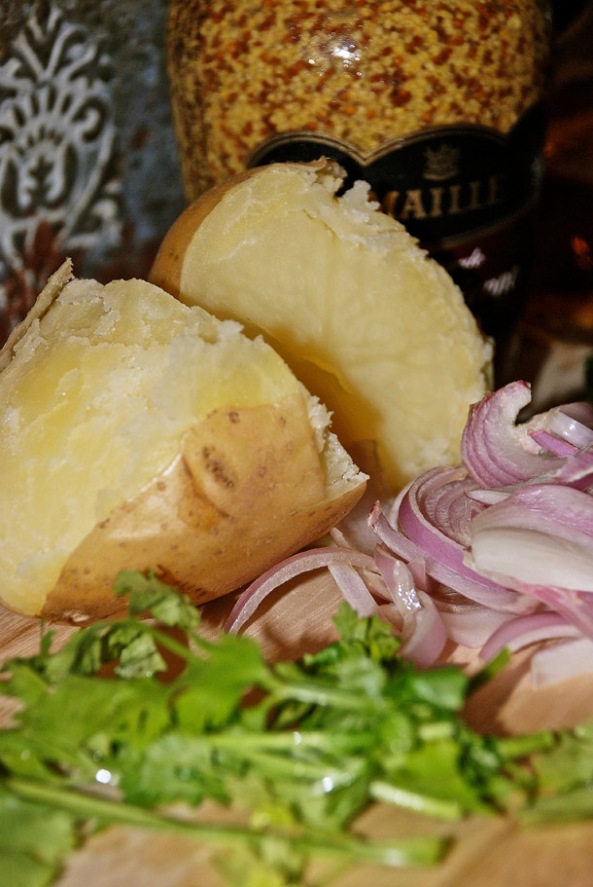
1 Big Potato
For Garnishing
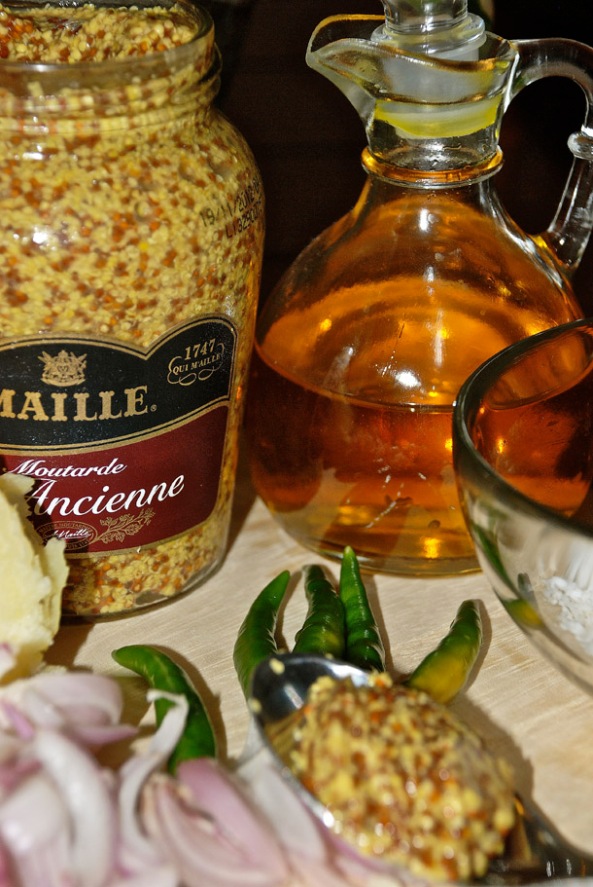
Mailler’s Moutarde D’Ancienne/ Mustard Paste – 1 tbsp (You may use less if you don’t like the pungent mustard paste but definitely do use a Mustard Paste which has these seeds and is not a smooth paste)
Freshly grated coconut/ dessicated coconut – 3 tsp
1/2 Onion – sliced
Coriander leaves – 1 bunch, finely chopped (you can reduce/ increase the amount as per individual preference)
Mustard Oil – 1 tsp
1/2 Green Chilli (optional) – chopped finely
Salt as per taste
The journey as captured by my camera, starting with the ingredients…

Method of Preparation
– Boil the Potato (Takes about 5 minutes in the Microwave for 1 Potato but do make sure that it is covered with enough water so that the boiled potato doesn’t become hard-crusted)
– Hand-mash the Potato, do not purré in the blender (we want this coarseness!)
– Add Mustard Paste, Mustard Oil, onion slices, grated coconut, chopped green-chillis (optional) to the mash and mix it further
– Make the mash into a mini Potato ball
– Roll the Potato ball slightly over the grated coconut
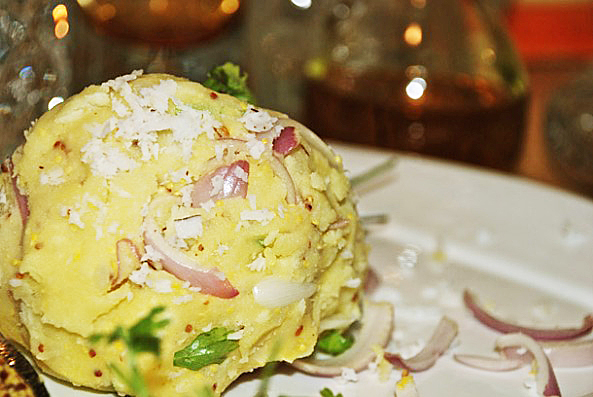
My endless experiments of photographing this journey can be found here.
Both the Z-SISTERS love the part where we are making the Potato Balls. I tell them stories of how Big Z used to make snowballs from all the snow lying on our terrace when we lived in Germany. Here living in Dubai I cannot replicate that snow (until and unless we pay through our nose and visit Ski-Dubai, the first indoor ski resort in the Middle East and that too inside a shopping mall!) but we could at-least add the ball-making experience into my Middle-Eastern Moments. So what if there’s no snow ball – there’s always a Bengali’s Aloo Bhaaté or a German’s Kartoffelpüree or a Frenchman’s Purée de Pommes de terre to do the honour. But remember – no throwing at each other – leave that job to the snowballs!
Unblogging it all… Ishita
Other Recipes
Cumin Beetroot Cold Salad – A Summer Salad
Mango Lentil Soup/Aam Dal – The Summer Combat
Daal Maharani Befitting the Queen (And Also Us)
Sikarni Raan/Marinated Lamb Shank from Yak & Yeti
Purple Haze Yoghurt With Purple M&Ms
Easter Egg Curry Cooked By Easter Bunnies!
Icecream Rasgulla with Blueberry Sauce Inspired by Holi
BE SOCIAL. SHARE THIS!


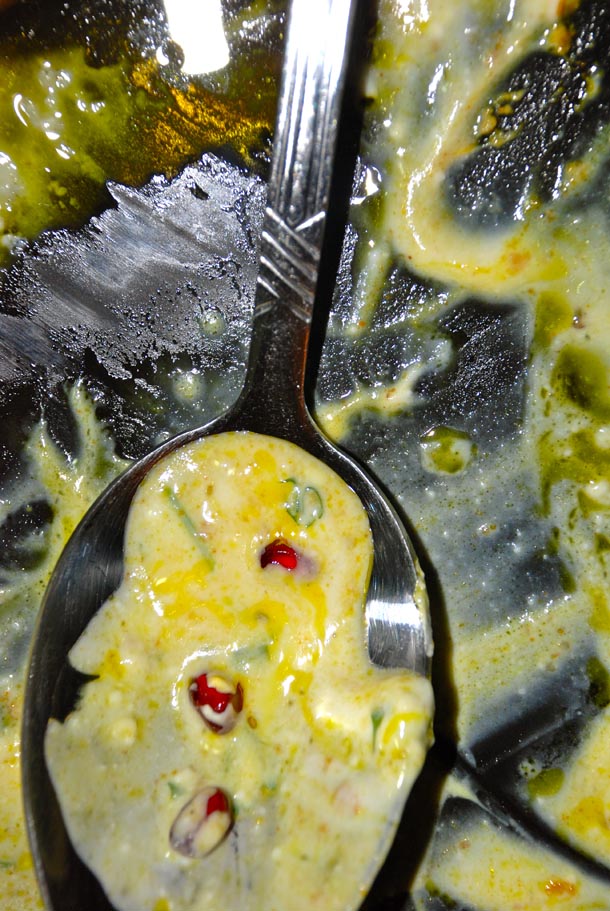
Sometimes you have all the time in the world to do things but you are stuck in such a situation that it doesn’t permit you to do anything. Except pump your heart faster and clog your brains. And then comes a lightening of ideas which require super-fast execution. Otherwise, both the moment and the idea is Oops, gone! That’s when my super-fat notebook tucked inside my super-heavy handbag comes handy – to jot down these on-the-spur ideas.
Dubai right now is in the grip of Dubai World Cup, the world’s richest horse race which concluded only yesterday. A pre-glimpse to this glamorous event was the inauguration (some say it was only the soft launch!) of the Meydan Beach Club at the Jumeirah Beach Residence (JBR) Walk on Thursday night. An array of glitzy fireworks lit up the night sky and their frenzied reflections lit up the Persian Gulf below – all the way up to the horizon. The roads leading to JBR and The Walk were all blocked. Outcome? It took me more than 2 hours to reach home while bringing Big Z from school. I could see my home but couldn’t drive even close to it. Our defensive ‘But we stay here!’ screams were met by indifferent shrugs from the policemen who told us that ‘they could do nothing’! I was running late on my agenda. Friends were coming home for dinner and I was still doing the school-run in my apron! Big Z and me – we started discussing dishes inside the car – the experimental ones, which could be stirred up in a jiffy. Or so I thought. I didn’t take into account the amount of time I would take to capture our journey into making the dish. Not to scare you but technically speaking the preparation of the dish doesn’t take that much time. But please add 45 minutes to the preparation time if you are planning my obsessive type of photo-shoot at home!
Yoghurt Aubergine with Pomegranate/ Doi Begun
Category – Vegetarian Side-Dish ; Cuisine type – Bengali Fusion
This vegetarian side-dish creates a soft, yoghurt-rich taste and combined with pomegranate it leaves behind a sweet and a sour twang as opposed to the strong taste of Mustard oil.
The Bong Connection – Yoghurt Aubergine or Doi Begun could well be another variation of the many aubergine preparations that the Bengali Cuisine has to offer. The adding of the Mustard Oil while garnishing is also very very Bengali. Bengalis often mash steamed vegetables with a dash of Mustard Oil (called Bhaté, specially Mashed Potatos or Aloo Bhaté). And adding Mustard paste or Shorshé will probably make it even closer to the Bengali heart and palate. But the strong Mustard paste and the Mustard Oil may take the dish away from others’ heart and palate. So, I think I will take the middle path and keep the dish a bit more Mustard-light!
The preparation also reminds me of the Fried Aubergine or Begun Bhaja that accompanies many a traditional Bengali meal. The Arabic twist here is that we grill the Aubergines instead of frying them like in Motabbel (an Arabic dip made with eggplants, olive oil, tahini paste, garlic etc). The latter also gives it the ‘healthy’ tag than the traditional Bengali Begun Bhajas which are shallow fried in oil.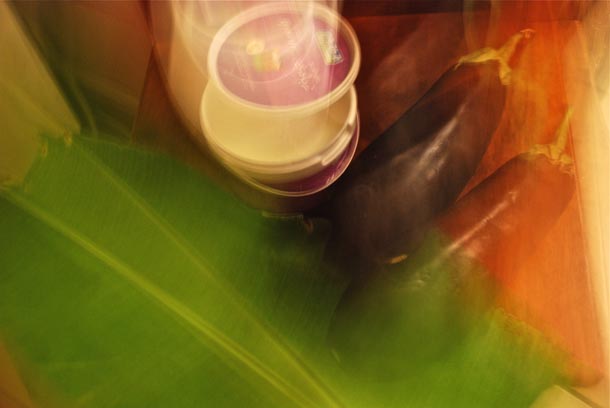
For the printable recipe→
Serves 8 persons
Preparation time: 45-50 min (pre-cooking preparation – 15 minutes; post-cooking – 5 minutes; grilling – 30 minutes)
Ingredients
5 Aubergines (though the most common ones found in the supermarket are the rounded ones, here the slender long ones have been chosen)
Turmeric – 4 tsp
Garlic powder – 4 tbsp (we are particularly fond of garlic)
Salt as per taste
White Oil – 1 tsp
For the Yoghurt mix
500gm Low-fat Yoghurt
Salt – 1tsp
Sugar – 2 tsp
Black Pepper Powder – 1/2 tsp
For Garnishing
1 big red Pomegranate
Coriander leaves – 1 bunch, finely chopped (you can reduce/ increase the amount as per individual preference)
Mustard Oil – 2 tbsp
Method of Preparation
– Slice the Aubergines vertically into 4 pieces so that each piece is slender and long
– Smear the Aubergines with turmeric, salt and garlic powder and let them aside for 10 minutes
– Pre-heat the oven to 400 degrees Fahrenheit
– Put the Aubergines in a slightly greased flat tray so that each piece is grilled evenly
– Grill the for 30 minutes or until each piece is tender
For the Yoghurt Mix
– Mix salt, Black pepper and sugar to the Yoghurt and mix thoroughly (like in Raita, the Indian Yoghurt dip)
– Add the chopped coriander leaves
– Pour the mixture over the grilled Aubergines
For the Final Garnishing
– Pour the uncooked Mustard Oil over the Yoghurt mix to leave strong aroma
– Decorate the dish with pomegranate seeds
The journey as captured by my camera, starting with the ingredients…
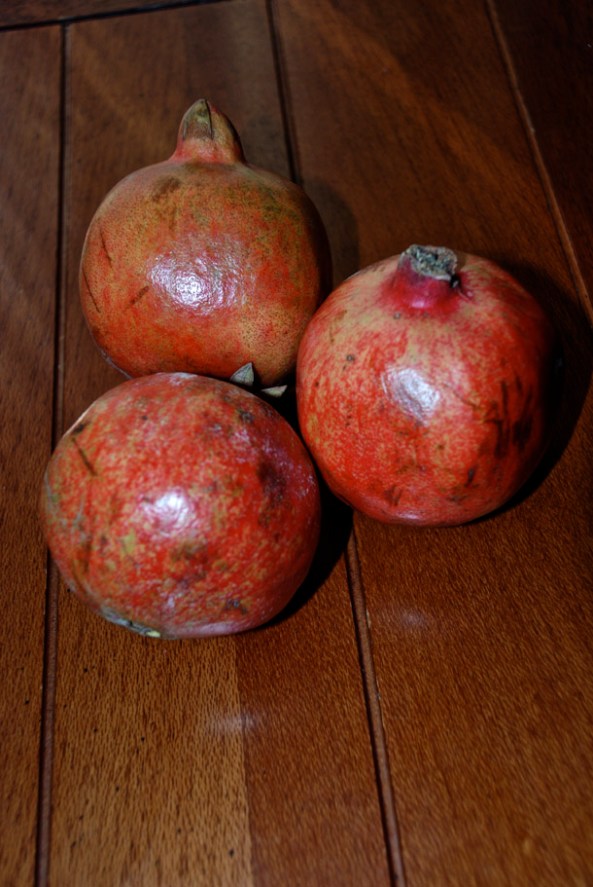
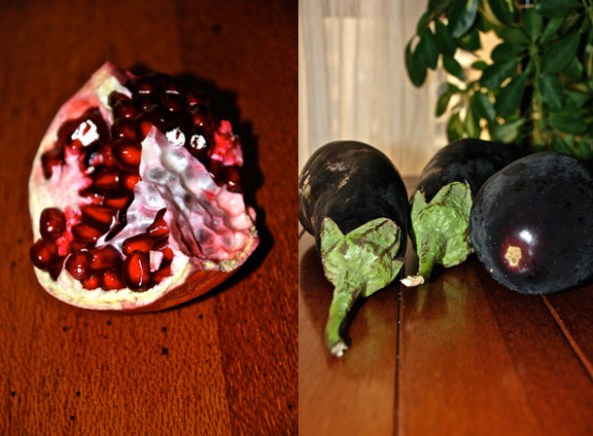
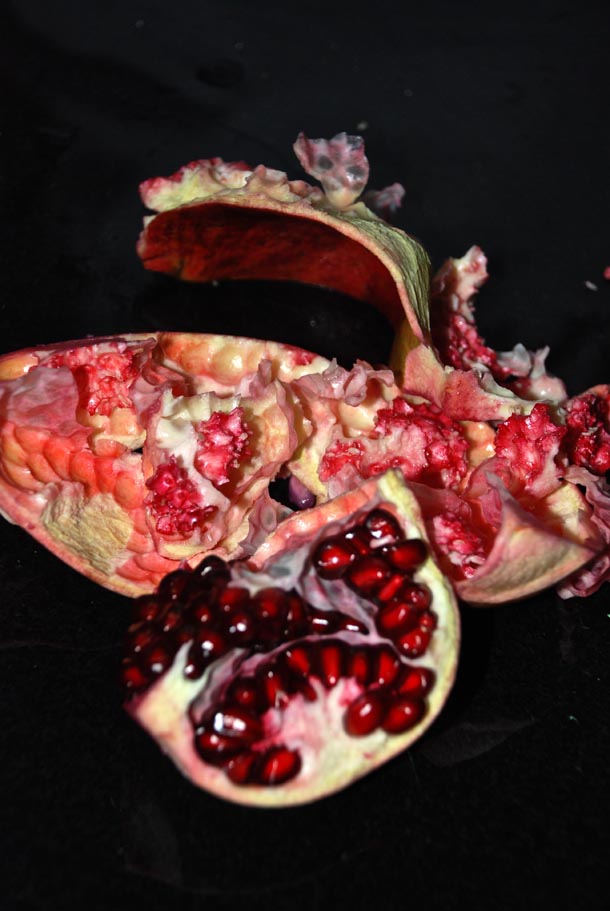
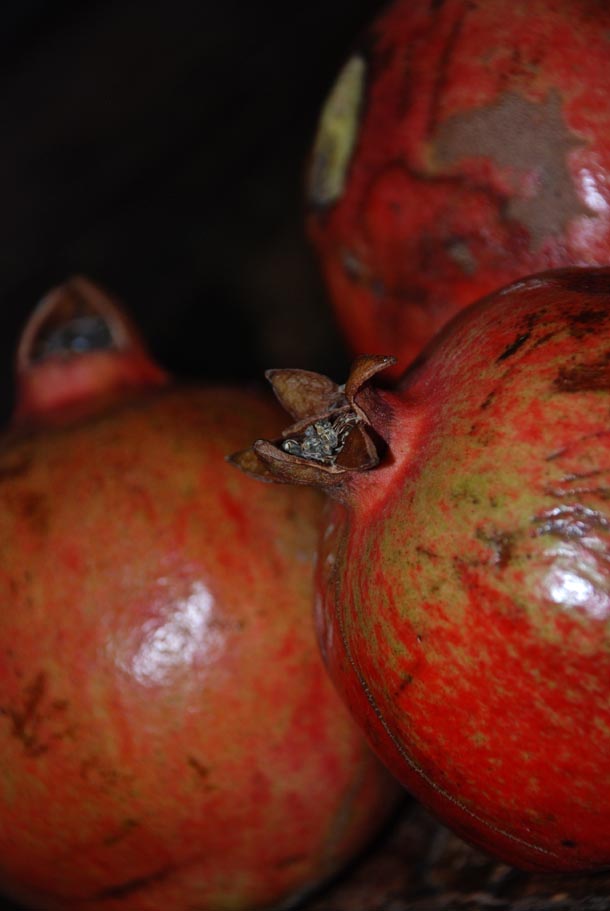
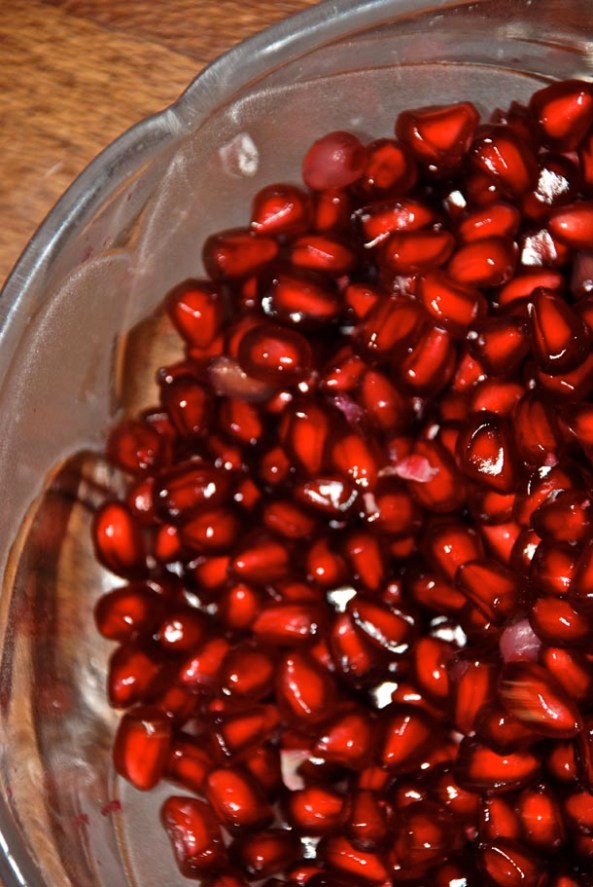
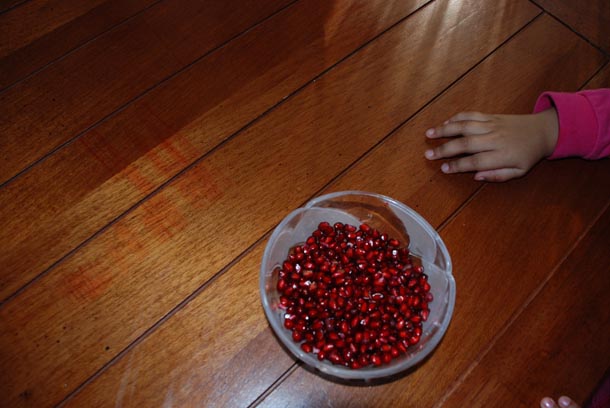
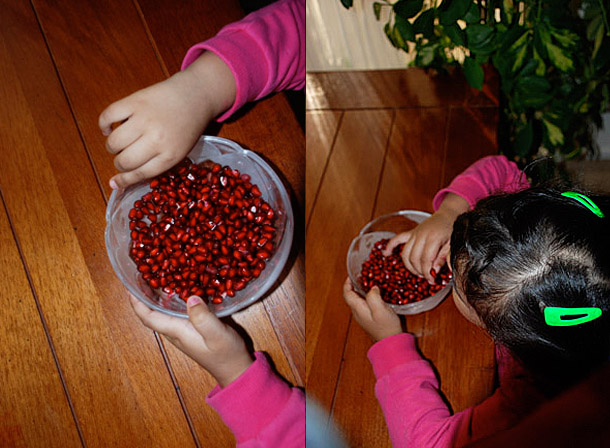
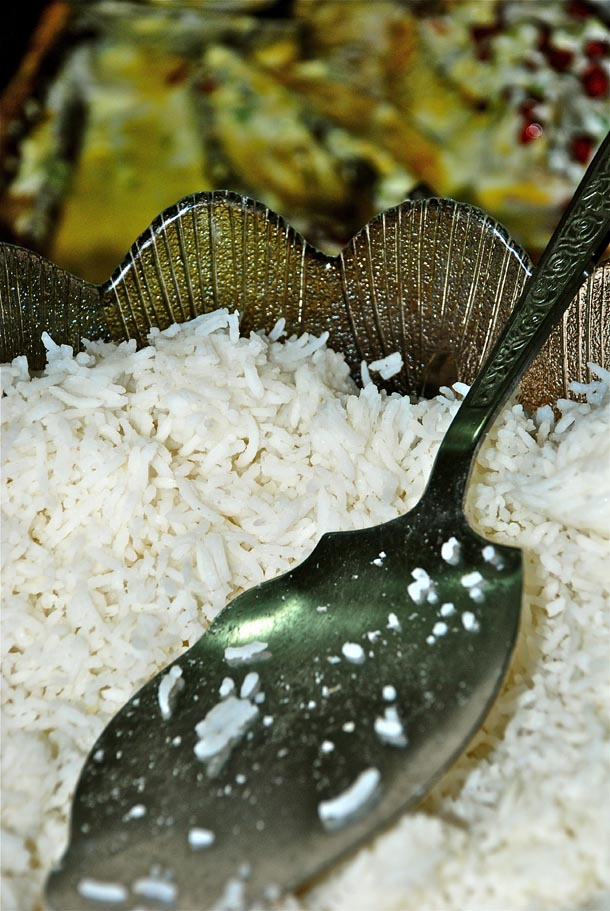
The preparation is very simple. At this stage we have a quick chat as to what is going to complement this dish – plain white Rice or some kind of a Bread – Indian Bread or an Arabic Bread perhaps? We settle on Rice. Big Z is obsessed wit Rice – plain white Basmati Rice. A proof that her Bengali genes are intact. Bengalis are predominantly Rice-eaters – they forget to eat the Rice only when the sweets come in!
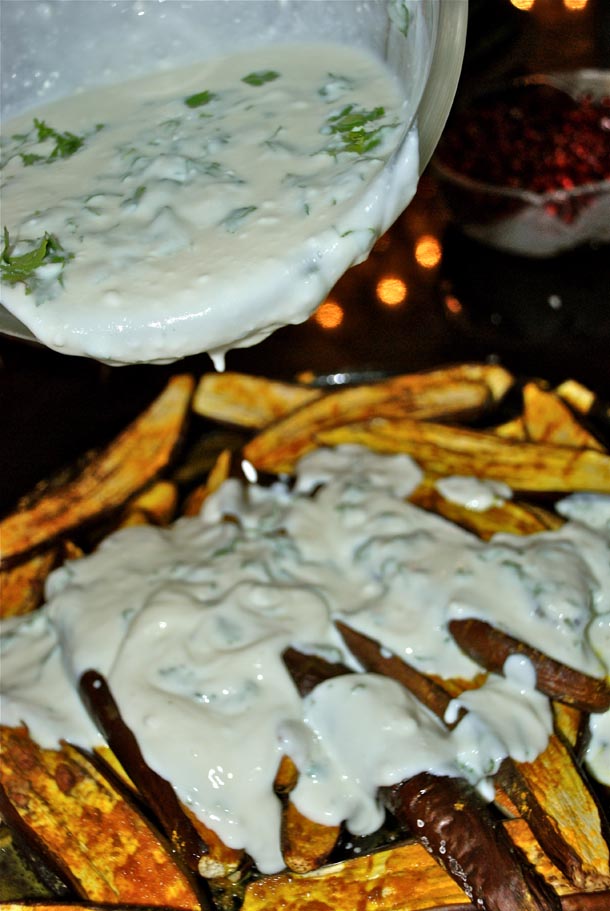
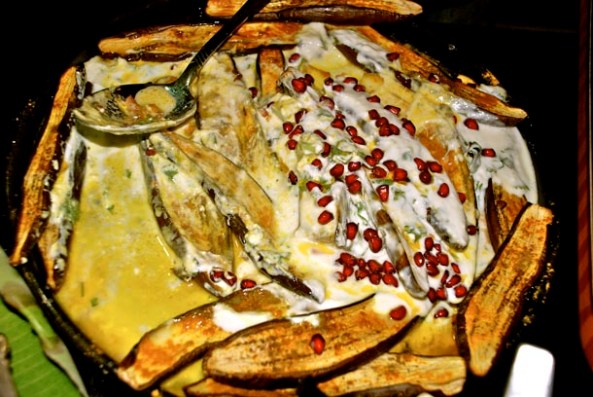
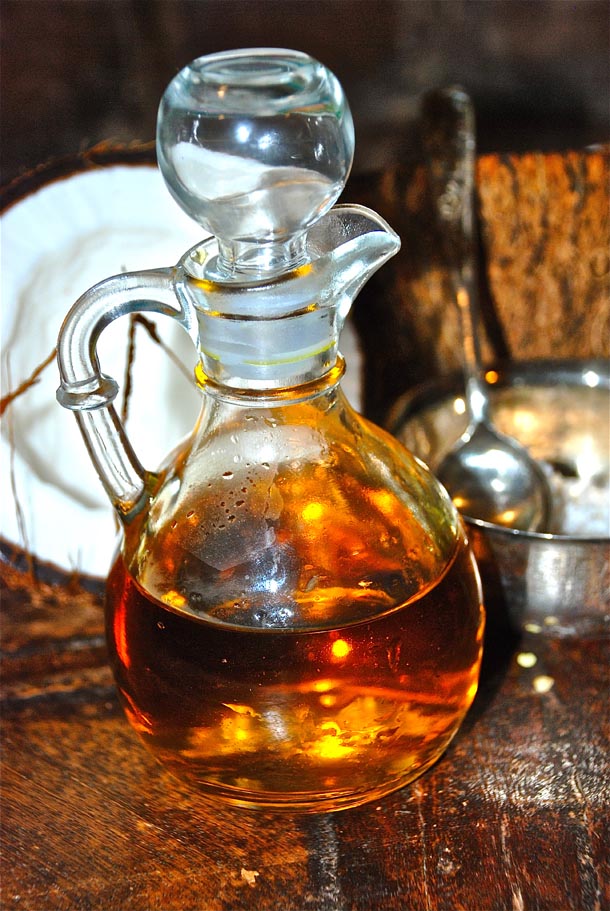
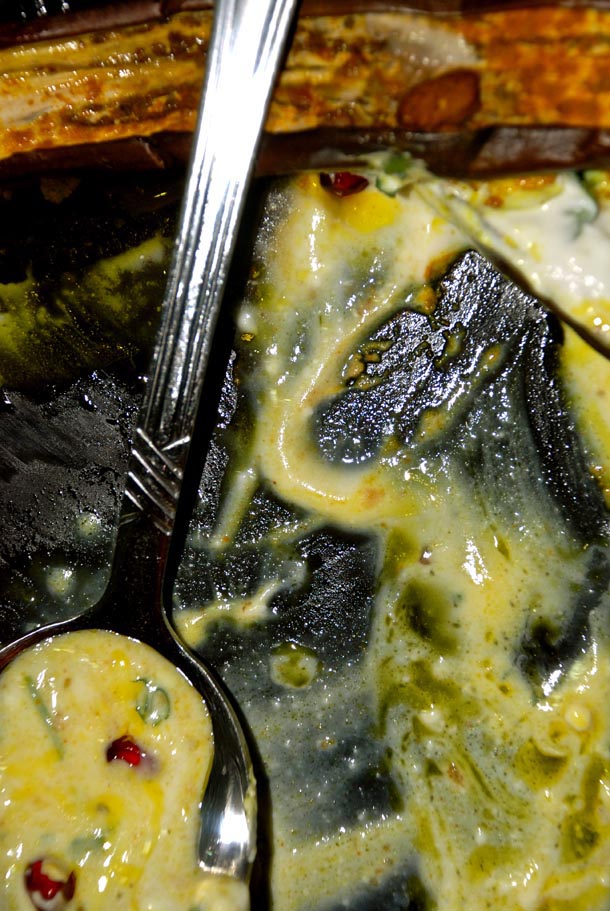
Well, friends are called friends because either they are the hardest critics or they are overly pampering. We passed with flying colours. They loved our Yoghurt Aubergine with Pomegranate. There were further suggestions –
1) Fry garlic and pour it over the dish along with the oil and
2) Fry lots of onions and use as garnishing
Why should I be left behind. I too, have suggestions for a few add-ons in the ingredients list when we cook this dish again in future –
1) Add mustard paste to turmeric, salt and garlic powder while smearing the aubergines before grilling… this will ‘Bengalise’ the dish even more!
2) Add pine nuts, chopped fresh parsley leaves, sesame seeds and a pinch of cumin powder to the garnishing… this will ‘Arabicise’ the dish even more! This will justify the decade-long stay on the Dubai shores and add to all the Middle-Eastern Moments of mine, the quintessential Bengali me travelling the world.
Unblogging it all… Ishita
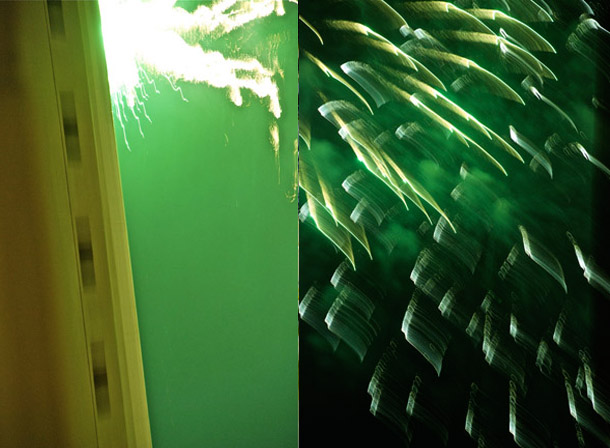
PS: I forgot to mention that the fireworks were brilliant. It was quite a task for me to concentrate on making the dish while the view from the balcony was beckoning me every now and then. Do have a look at the photos – aren’t they absolutely dazzling?



Other Recipes that you may enjoy:
Cumin Beetroot Cold Salad – A Summer Salad
Mango Lentil Soup/Aam Dal – The Summer Combat
Daal Maharani Befitting the Queen (And Also Us)
Sikarni Raan/Marinated Lamb Shank from Yak & Yeti
Easter Egg Curry Cooked By Easter Bunnies!
Mashed Potato Bengali Style/ Aloo Bhaaté
BE SOCIAL. SHARE THIS!

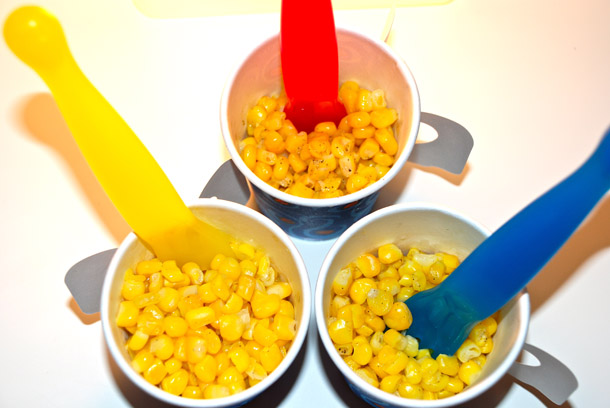
The fondest food moments are those where the experience and the journey to create these moments are more memorable than the food itself. Cuppa-Corn (or the traditional Cup-A-Corn) made by the Z-SISTERS (my sous-chéfs aged 8 years and 3 years) took me to my childhood fantasy – unlimited Cup-A-Corns without having to ask Mom for money. I wish they could also churn out pink Candyfloss with such ease. But again, who said that was impossible?
Following are the characteristics of all recipes doling out of our little hands, big hearth –
- Easy to prepare
- Regular canned products off the shelf may be used (However, we advocate using fresh products)
- Goes well both as a regular or party dish
- Children can easily help in making the dish
- Guaranteed to be tasty and
- Guaranteed to be loved by all ages, especially kids!
Cuppa-Corn
Category – Snacks, Kiddy Food; Cuisine type – Movie Special (if there is any); Moment – Fun-time, Treat-time, Movie-time
The Frozen Moments
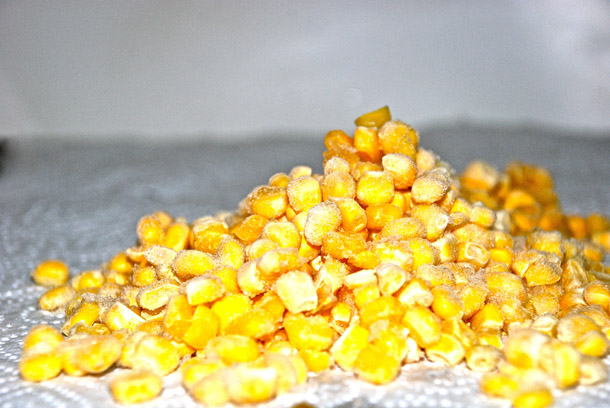
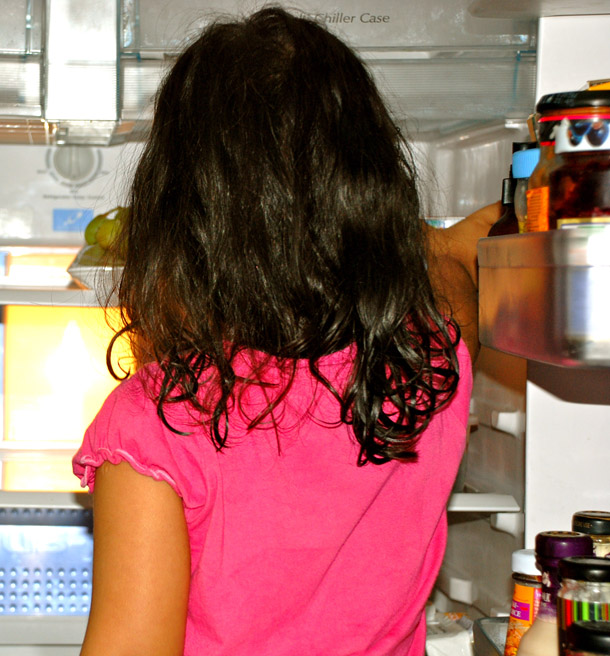
Big Z starts the journey. The Freezer is hacked and then the frozen moments begin. There are some Horizontal Frozen Corn Moments and some Vertical Frozen Corn Moments (according to the angle Mummy aligns to capture the corns).
Image: IshitaPhotoIdeas 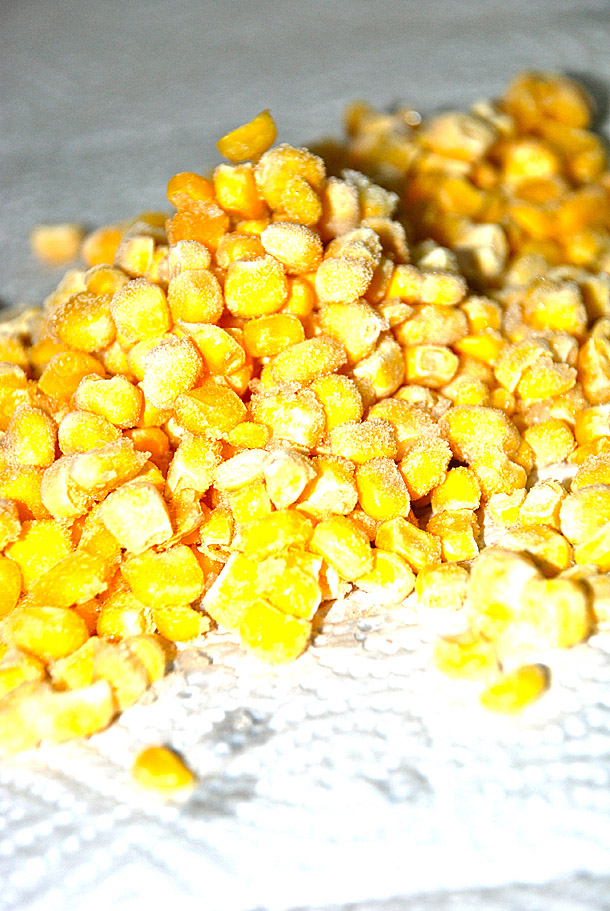
The Butter Moments
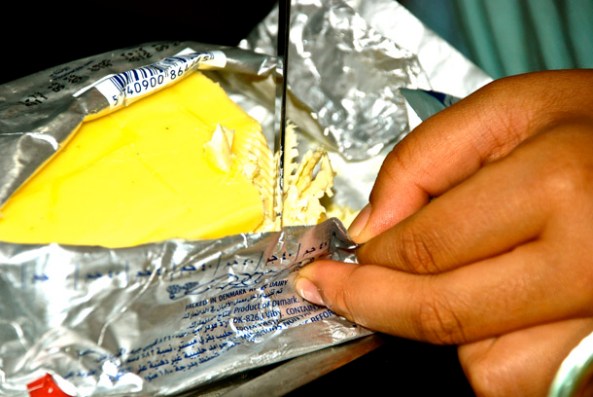
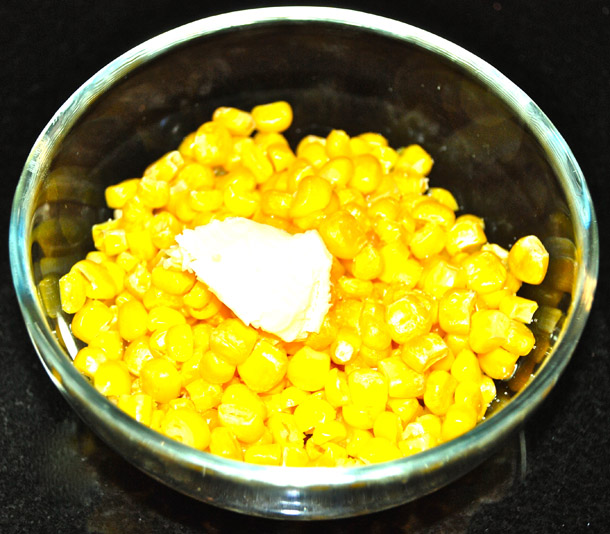
The Butter Moments begin with dew-drops forming on the butter case. And the difficulty in tackling the Butter. Then the Butter Dollop on top of the Frozen Corn sitting in glass bowl went into the Microwave for 5 minutes.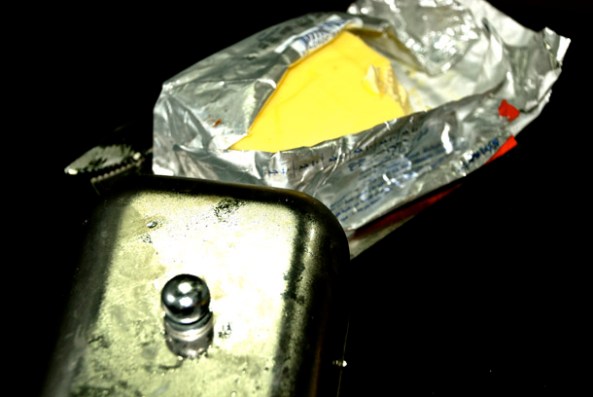
The Salty Moments
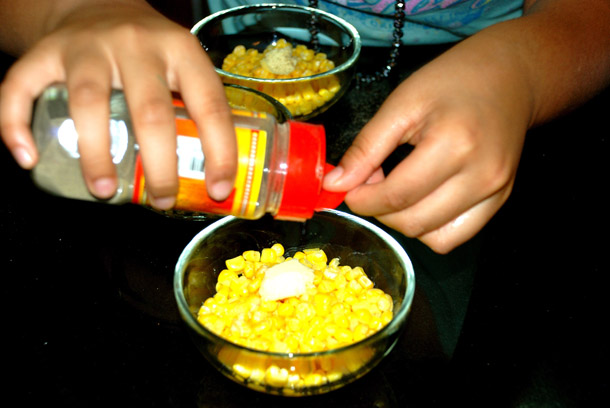
This salty moment could turn into a tricky moment anytime. How much to pour? And what if all of it comes out?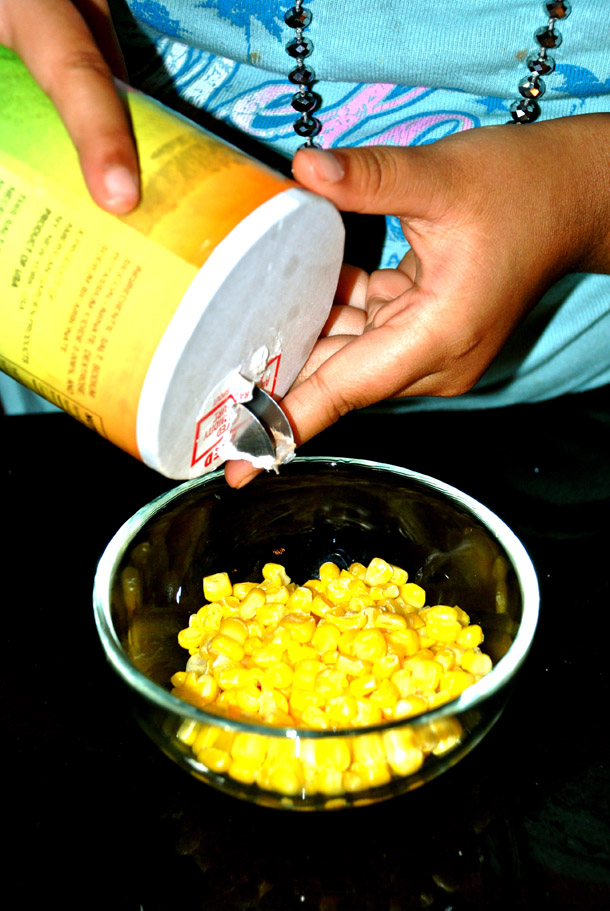
The Spicy Moments
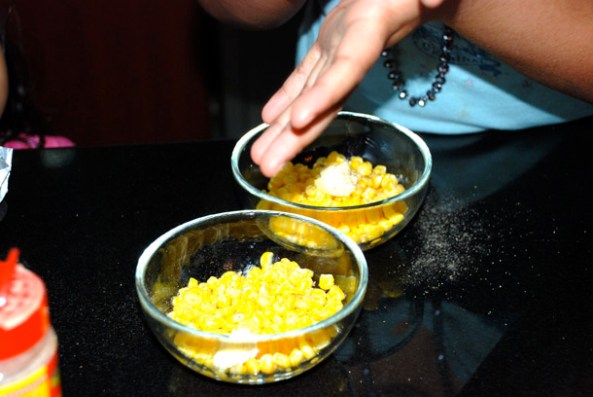
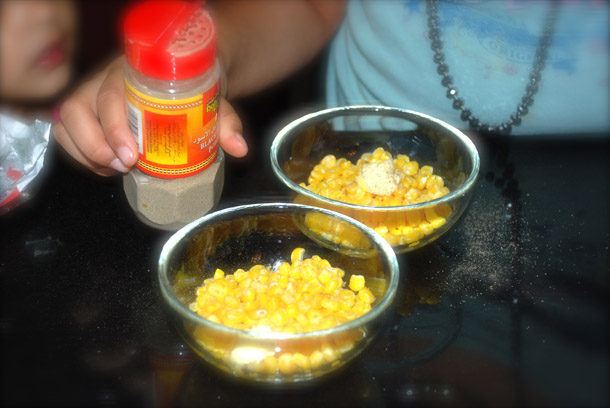
Finding the Pepper amidst a stack of Indian spices is a difficult chore but not impossible provided the bottle labels haven’t got mixed up already! Tricky Situation 2 – Oops! the Pepper is all over the hand now. Careful, shouldn’t go into the eyes! More Pepper? Hmmm… again a lot of decision-making required.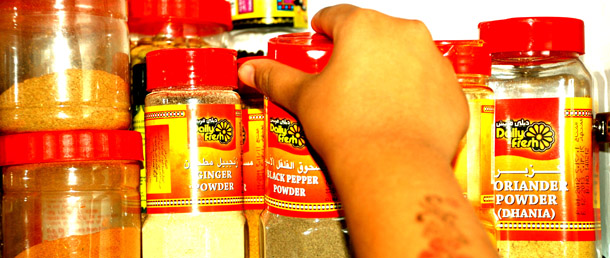
The Butter-Melting Moments
Time for Li’l Z to help before the butter melts completely. This moment should have come a bit earlier – but as the saying goes Better late than never!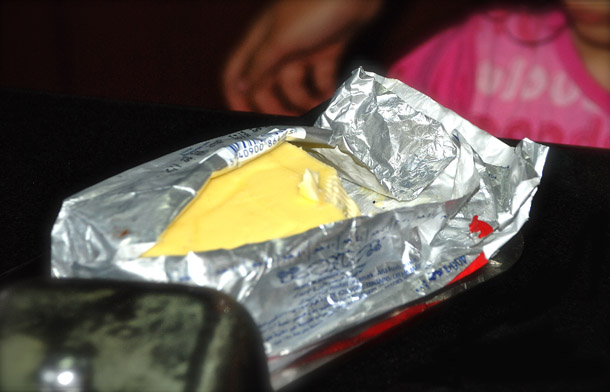
The Sour Moments
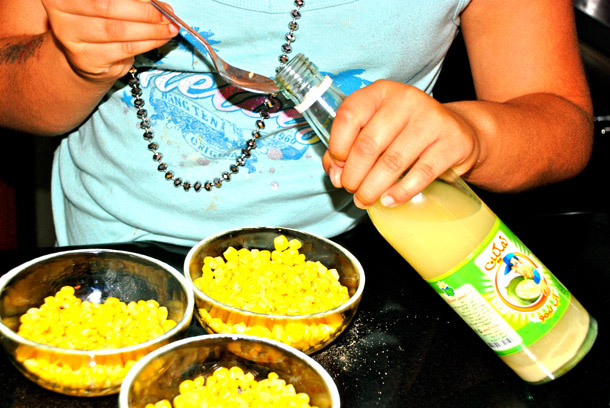
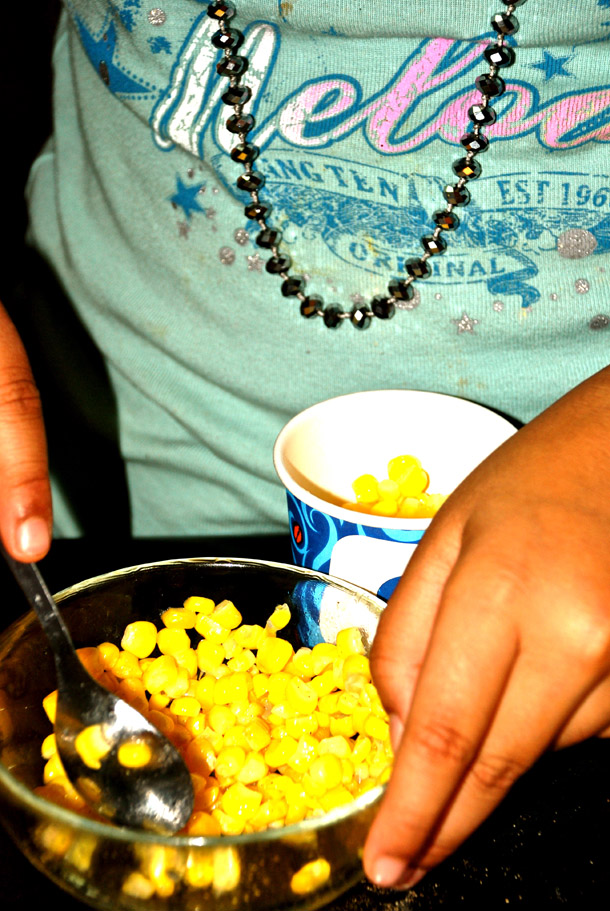
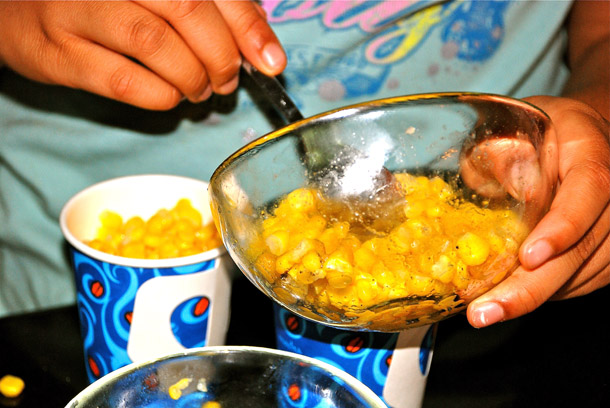
Again, it’s time for Big Z to call all the shots. The Lime Concentrate is ready and so are the corns. Tricky Situation 3 – pouring the lime concentrate from the bottle into the spoon and then the mixing. This is the REAL thing — the expert mixing and pouring the corn carefully into the paper cups to make our Cuppa-Corn!
The Photo-Shoot Moments
Carrying 3 Cuppa-Corns at a time, choosing the right colours for the spoons and setting them up at Mummy’s bedside-table where the table-lamp turns into a genie during any food photo-shoot. At other times food in the bedroom is a big No-No!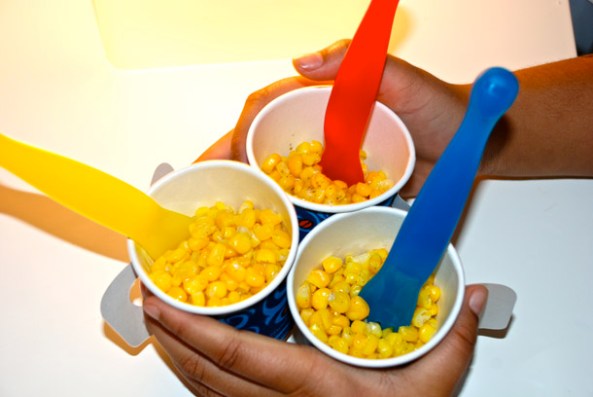
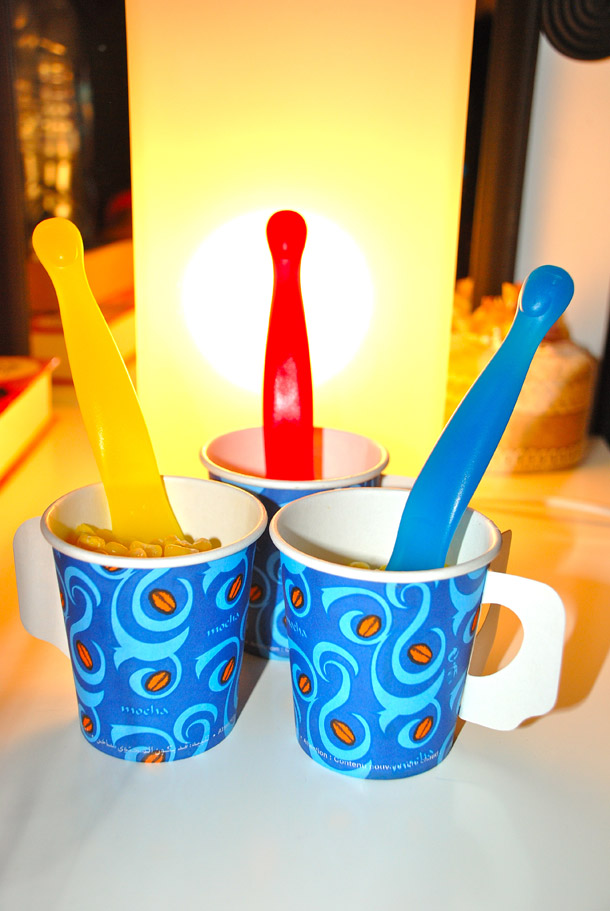
Finally, the Sweet Corn Moments!
The blue paper cups seemed to have borrowed colours from the television screen just to dress up for the special movie party@home. Well, that’s what is meant by ‘luck is on our sides’ – our Cuppa-Corn sweet moment turns out to be picture perfect! 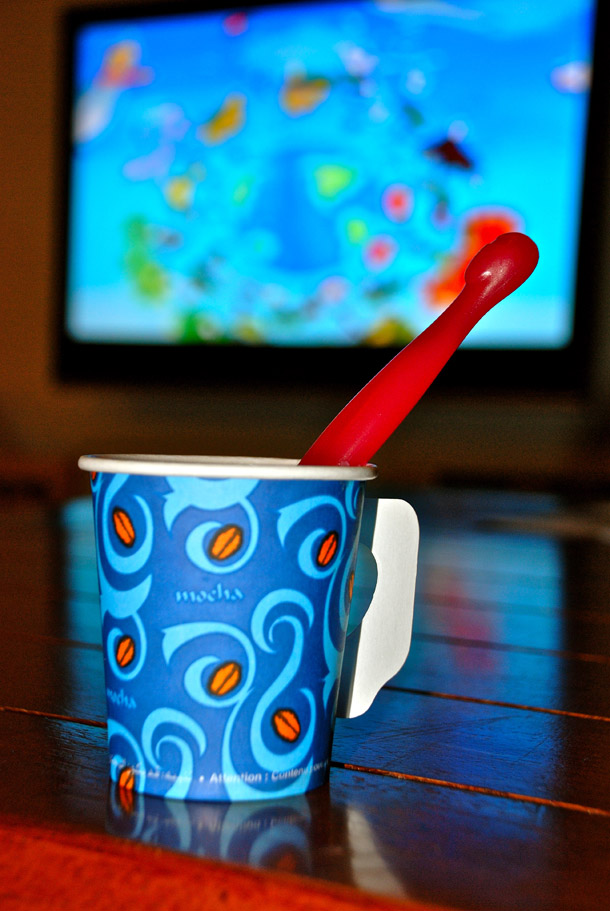
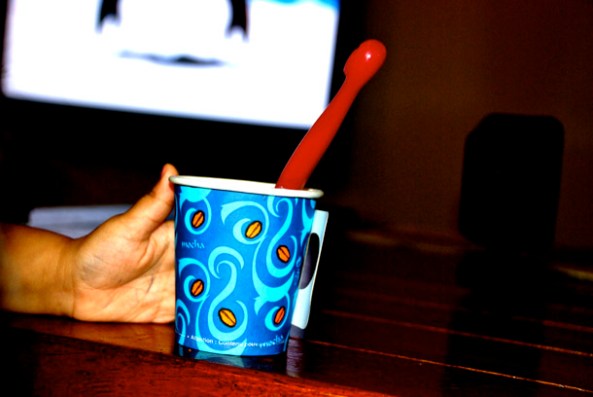

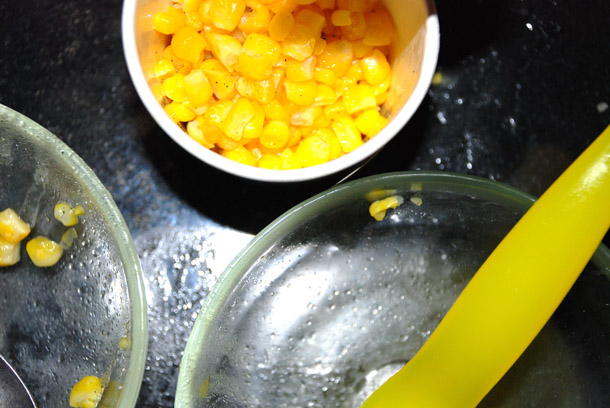 For the first time in the history of recipe writing, the Preparation has been described before the Ingredients have been jotted down!
For 1 serving –
Preparation time: 10 minutes (If you use frozen sweet-corn) and it remains the same irrespective of the servings!
Ingredients:
1 bowl of frozen sweet corn (just it be under the running tap water for a minute)
Salt, as per taste
Pepper, as per taste
Lime Juice, as per taste (we like it a bit sour)
Paper Cups (the VIP ingredient!)
Yes, our journey to create Cuppa-Corn left behind a lot of mess. But also some empty bowls and happy Cuppa-Corn sweet moments. Hope you have the same as well!
Unblogging it all… Ishita
–
You may also like to read


BE SOCIAL. SHARE THIS!

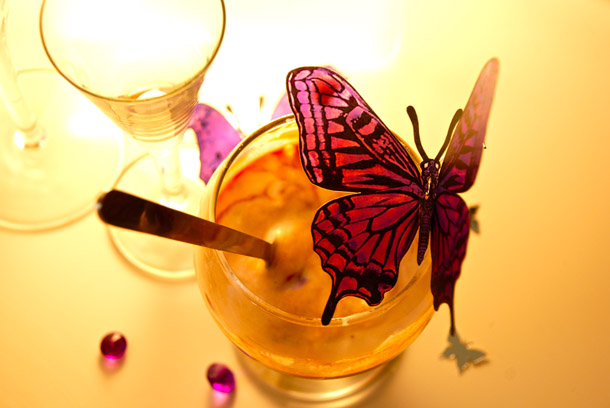
 The Purple Story
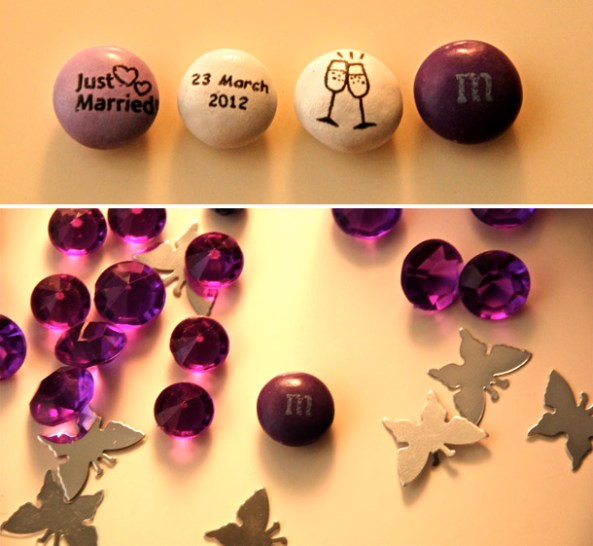
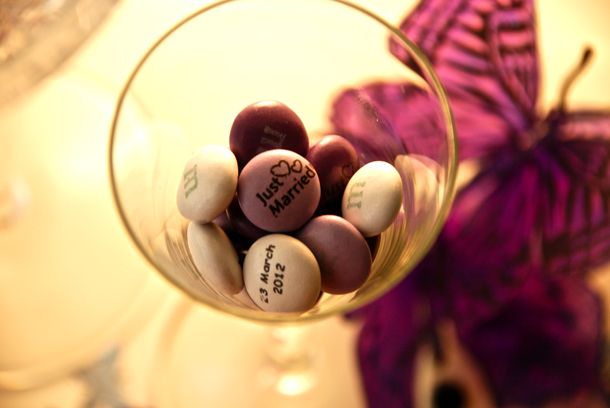
A beautiful wedding where the bride is in love with the colour PURPLE. An emotional church wedding followed by a beautiful wedding dinner amidst white silk linens & purple bows, silver & purple butterflies, bubbles & bubblies – signed off by purple M&Ms! M&Ms are perhaps the World’s most popular and colourful chocolate candy lentils and our family is besotted by them. Hence this recipe is my personal favourite.
Since the Z-SISTERS were left at home amidst hue and cry of utter unfairness and injustice, we decided to recreate some purple magic with the Purple M&Ms and the butterflies that came back home with us in the tiny goodie bags, from the magical wedding. Thank you, Dear Bride for choosing PURPLE – the setting was regal and absolutely mesmerising!
Following are the characteristics of all recipes doling out of our little hands, big hearth –
♥ Easy to cook
♥ Goes well both as a regular or party dish
♥ Children can easily help in making the dish (My two little sous-chéfs are aged 8 and 3 years!)
♥ And lastly, guaranteed to be tasty!
Purple Haze Yoghurt with Purple M&Ms/ Mishti Doi with Purple M&M
Category – Dessert; Cuisine type – Fusion Bong
This dessert creates a softy, yoghurt taste combined with crunchy M&Ms, the world’s most popular chocolate lentils. Here, we had 3 different shades of PURPLE M&Ms. You may create your own colour schemes (with the multi-coloured Gems, M&Ms, Skittles or whatever you get)!
The Bong Connection – Sweet Yoghurt or Mishti Doi is one of the most popular Bengali recipes. It is made of full cream milk and sugar and requires 8-10 hours if prepared at home. Why not incorporate the our recipe in the Bong way of preparing Mishti Doi? You’ll find here how to find how to make Mishti Doi at home. We could easily add the molten M&Ms along with the sugar while making the Mishti Doi in the traditional way.
For 1 serving –
Preparation time: 10 minutes (If you use ready-made yoghurt)
Ingredients:
175gm of skimmed yoghurt (unsweetened)
30-40 pieces of Purple M&Ms of different shades of Purple (You can order them online)
Hershey’s Chocolate Syrup – 1 tbsp
White Refined Sugar – 1 tsp
Brown big sugar granules – 1/4 tsp
The Set-Up
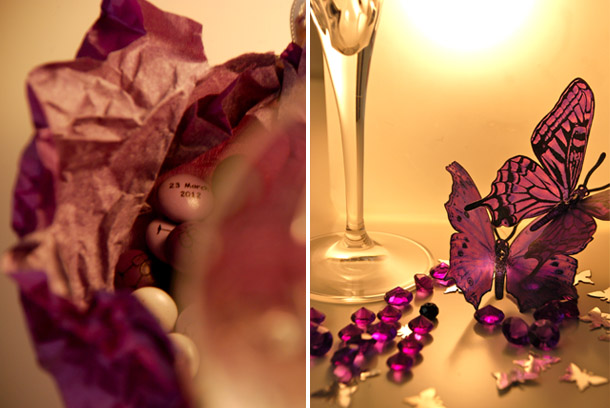
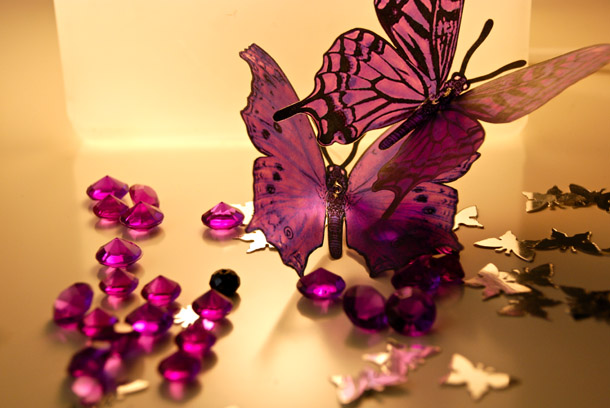
The magical purple M&Ms with special wedding messages printed on one side and ‘M’ on the other; silver and purple butterflies and purple crystal beads – all imported slyly from the wedding venue for my little ones!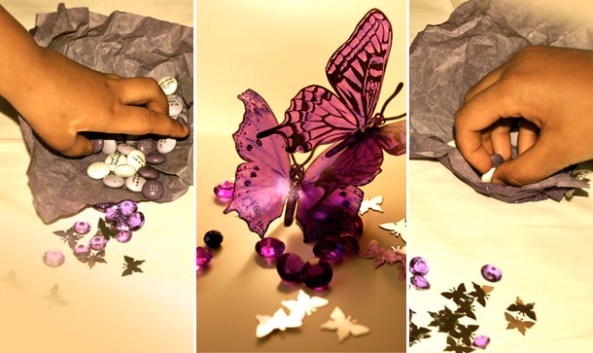

As Prepared by the Little Messy Hands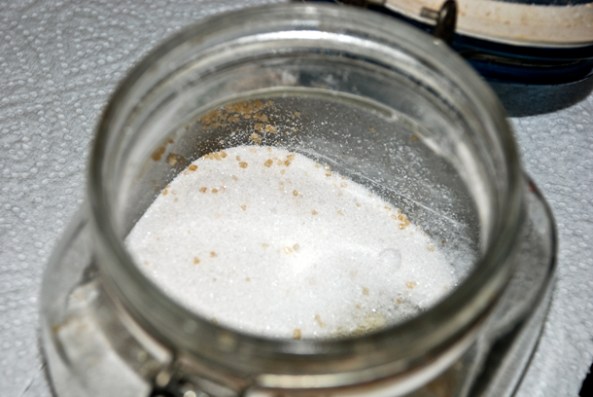
Step 1 – Mix some brown big granulated brown sugar along with regular refined sugar (for giving the crunchy taste)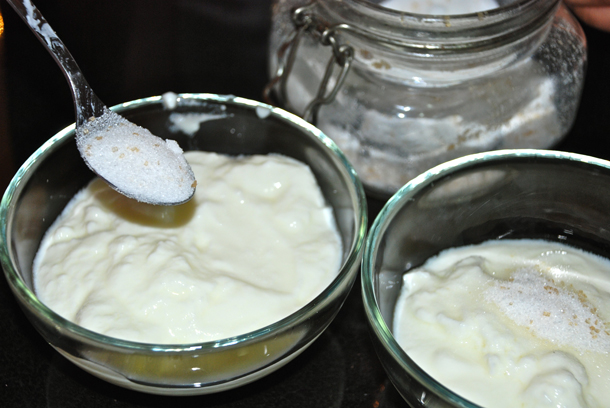
Step 2 – Mix 1 tsp of the above sugar mix to a bowl of yoghurt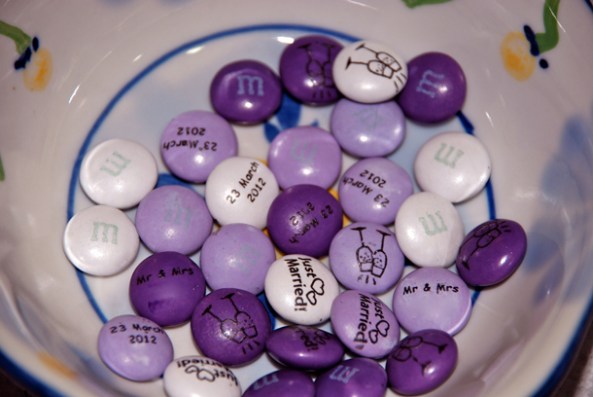
Step 3 – Put around 25-30 M&Ms in the Microwave for 30 seconds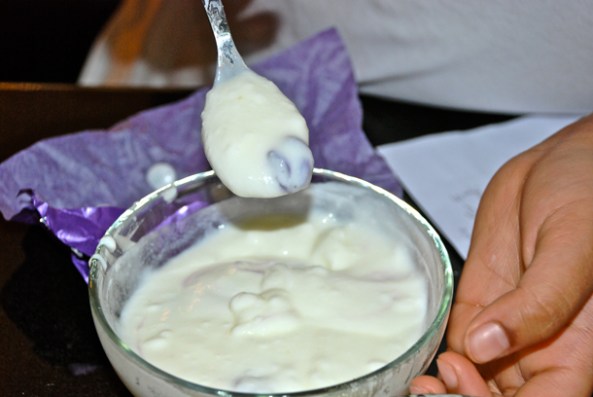
Step 4 – Mix the molten M&M into the yoghurt.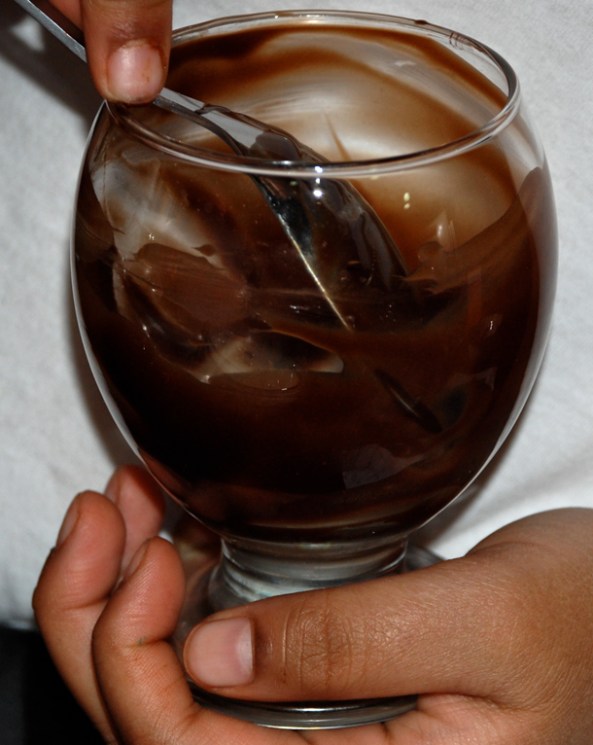
Step 5 – Pour 1 tbsp of Hershey’s Chocolate syrup in a sundae bowl and spread it like an expert (Haven’t you seen in the Icecream Parlours how they make chocolate sundaes?)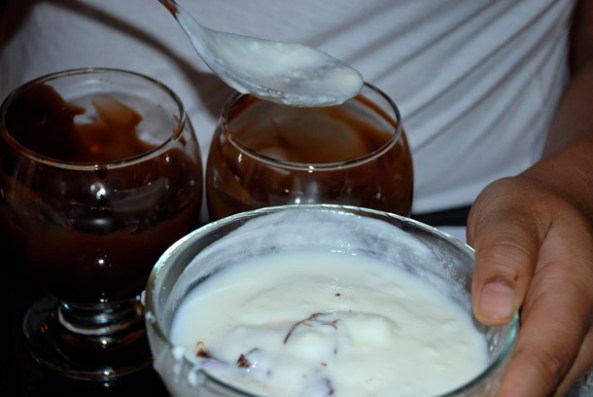
Step 6 – Pour the yoghurt into the chocolatey sundae bowl. And don’t forget to make lots of mess!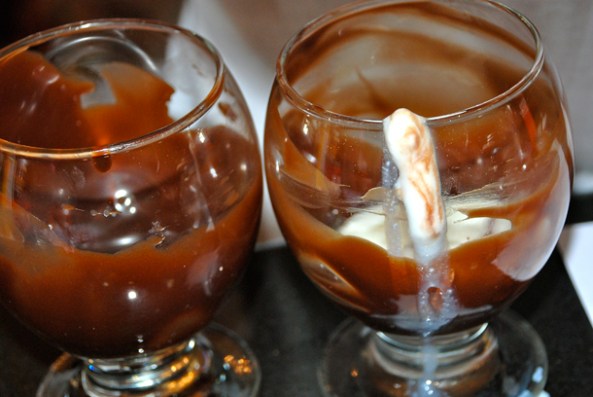
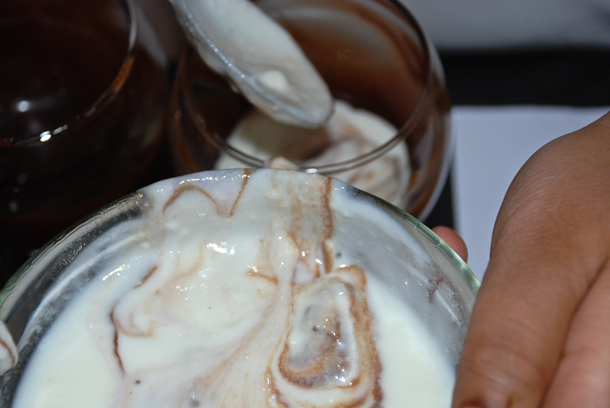
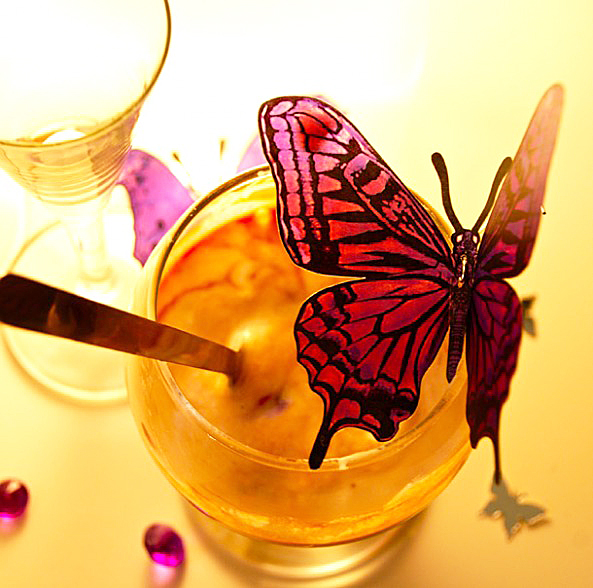
And here it is – your Purple Haze Yoghurt with Purple M&Ms is ready to be eaten. Or, your traditional Bengali Mishti Doi with an American twist!
The Final Setting
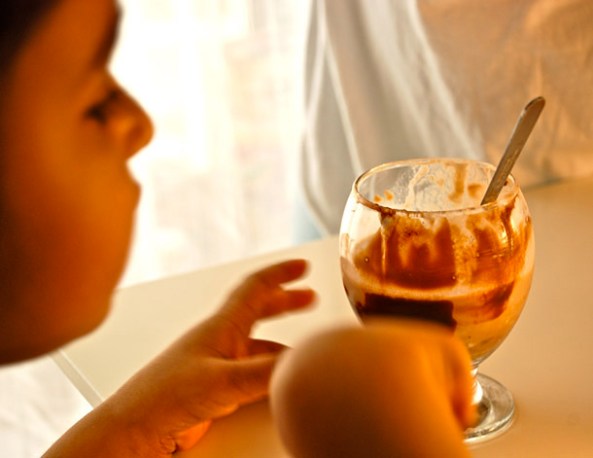
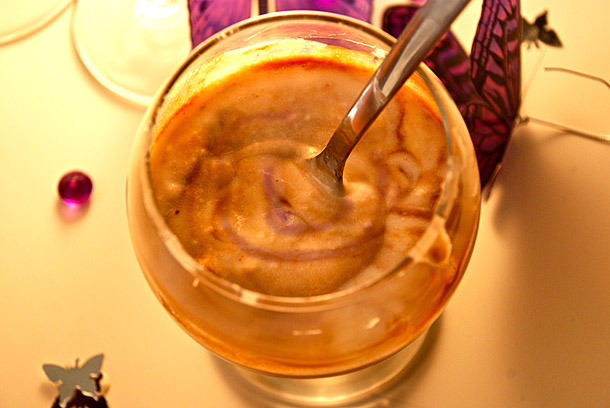
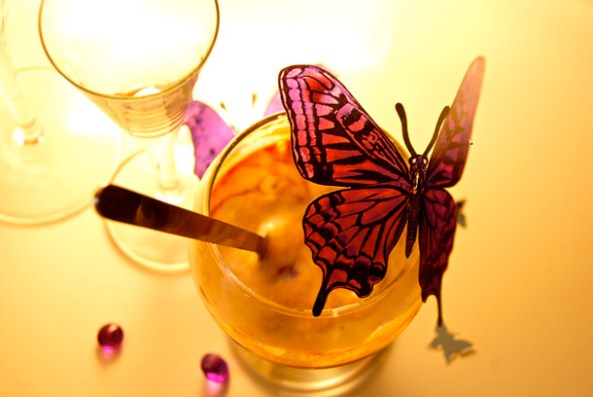
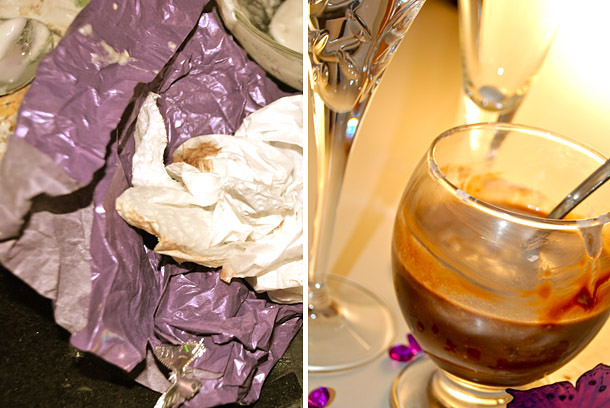
And here it is – your Purple Haze Yoghurt with Purple M&Ms is ready to be eaten. Or, your traditional Bengali Mishti Doi with an American twist! Creating dishes with children are like creating memories and moments that you are going to keep for ever. Do let me know how you liked this simple, but delicious dessert. Hold on to these moments – they pass away very fast!
Unblogging it all… Ishita
Disclaimer: Please note that this is not a sponsored blog and all the opinions and views stated here are my own and are independent. While you enjoy reading the posts with lot of visuals, please do not use any material from this post. You can see more pictures of my travel and food journey here
More dessert recipes from the blog:
♦ Dates Ice Cream | Recipe From Asateer, The Palm Atlantis – Emirati
♦ Firni or Ferni, Ramadan or Ramzan, Mallick Bazar or Karama? – Indian
♦ Gulab Jamun Rabri – Indian
♦ Gajorer Payesh/Carrot Pudding… Happy Diwali! – Traditional Bengali
♦ Icecream Rasgulla with Blueberry Sauce – Bengali Fusion
♦ Kulfis | Celebrating The Colours Of Holi! – Indian
♦ Mango Vanilla Ice-cream as Fooderati Arabia turns 2!
♦ Narkel Naru/Coconut Jaggery Truffles – Traditional Bengali
♦ Notun Gurer Payesh/Rice Pudding & Remembering My Dida – Traditional Bengali
♦ Purple Haze Yoghurt with Purple M&Ms – Bengali Fusion
♦ Rôshogolla/Rasgulla on TV | Shubho Bijoya to all! – Traditional Bengali
♦ Rasgulla Macapuno – When a Filipina Turns Bong! – Bengali Fusion (with Filipino Cuisine)
♦ Semaiya Kheer/Vermicelli Pudding, Eid in Dubai… Eid Mubarak! – Traditional Bengali/Indian
♦ Shaabiyat Kacha | Recipe From Address Marina – Arabic
♦ Shondesh/Sandesh Pudding… Guest Post For Cook Like A Bong! – Bengali Fusion
BE SOCIAL. SHARE THIS!

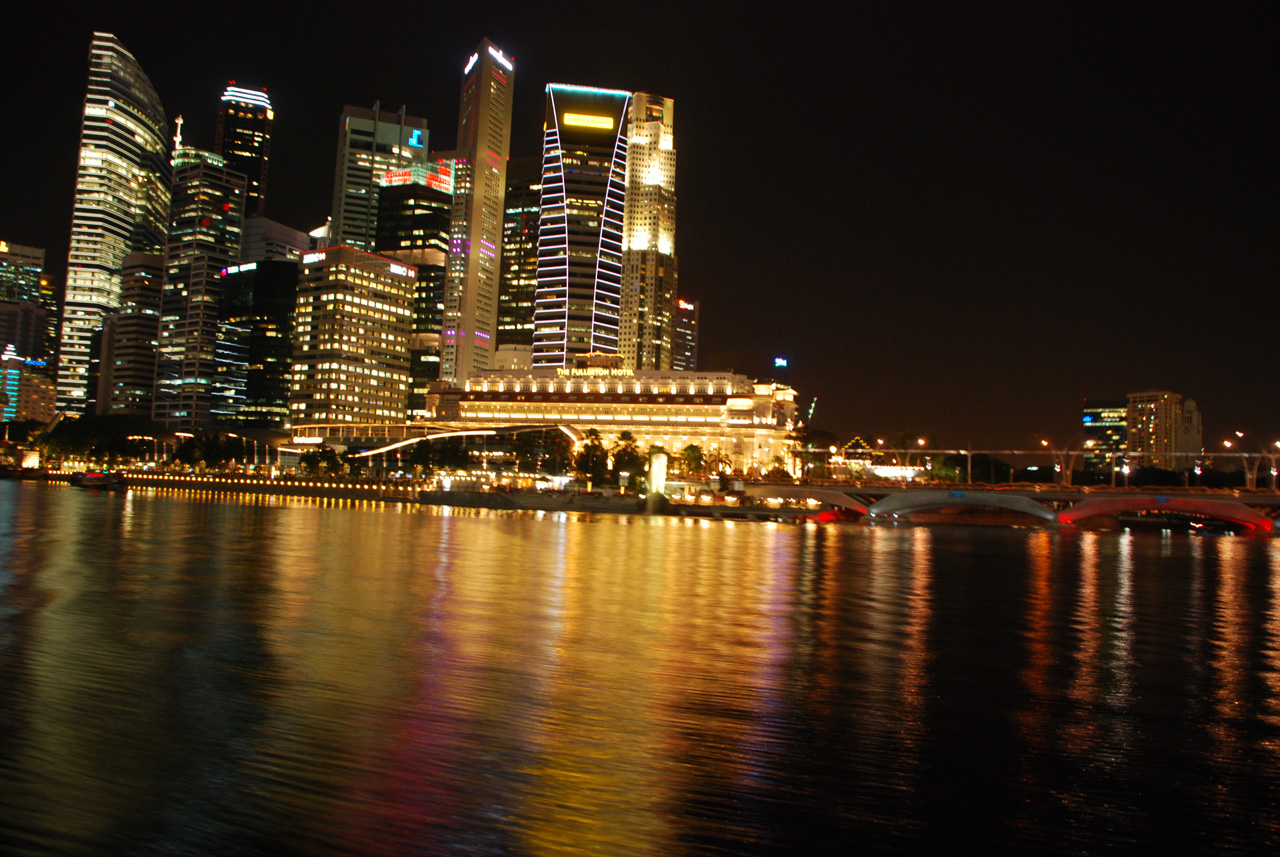
If I were to write down what we did in Singapore, where we went and what should be done – would you all be really interested? You can get all information regarding flight tickets, hotel deals, things to do and see in Singapore over the internet. Plus you can just pick up the printed fliers on Singapore while peeping into a travel agency. Then what is the USP (Unique Selling Point) of this blog? Well, there’s no USP simply because I’m not selling anything. I’m just writing about travelling and food which inspires. And putting across visuals which stimulate our senses. Because when one travels with kids, one probably enjoys the moments in retrospect. And that’s exactly what I’m doing. Travelling in retrospect!
We were living with one of our closest pals who have twins (one son and one daughter). Thus, adding to our headcount of 2 more kids. So most of the times all of us – that is 4 adults and 4 kids were travelling all squeezed and packed in their car which was probably meant to seat 5 people. Couldn’t we have taken a cab? No, absolutely not. Wouldn’t that have spoilt the entire fun? Specially since we had enough expertise to squeeze into a single car – after all, going out with friends in my growing up years in Kolkata was symbolised by atleast 8 friends in 1 Ambassador car.*
Our days were essentially spent doing everything that Singapore offers to kids – Universal Studios, Jurong Bird Park and Singapore Zoo – not all of them in one day though mentally the kids were up-to it! 2 more days were spent visiting Chinatown (which will require another post by itself!) And whatever could be seen in between EATING. Eating at the Hawkers’ stall, eating in restaurants, eating at my exceptionally good cook of a friend’s kitchen, eating at every little food kiosk that displayed GOOD FOOD! And GOOD FOOD you will definitely find in every nook and cranny, every major street, every alley, every little room available on the ground floor of a house – just about everywhere. Singapore is a big huge kitchen really – where multi-cuisine, multi-national chefs are cooking and people eating – non-stop! If you still haven’t got a hang of what FOOD means in Singapore then I insist that you stop reading this post and read my previous post first – Where Eating Out Is A National Pastime – Singapore.
If Singapore@Day-time was meant for kids then you would automatically assume that Singapore@Night-time was meant for adults. Well, not really. Because by the time we had laboured and serviced our kids during the day in places like Universal Studios or the Singapore Zoo or the Jurong Bird Park [The Universal Studios average 20 hectares (49 acres); The Jurong Park averages 24 hectares (59 acres); The Singapore Zoo averages 28-hectares (74 acres) of land] – we felt like we had just finished trekking up the Mt Everest!
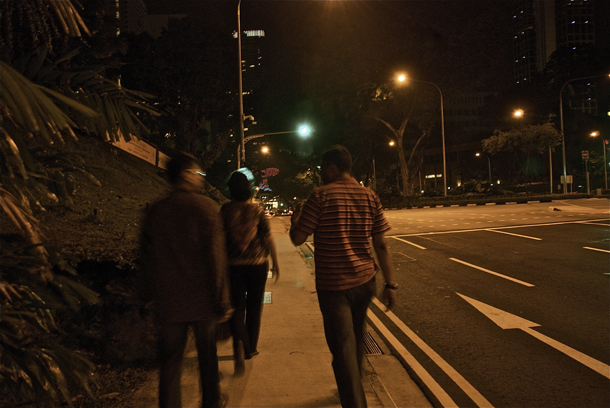
So, we (which now meant ALL OF US MINUS THE KIDS) just slow-walked (or was it moon-walked?) when the lamps lit up the streets:
Grooving along the Orchard Road
We walked mainly along the Orchard Road. Orchard Road is a 2.2 kilometre-long street and is officially designated as the retail and entertainment hub of Singapore. With the best shopping malls located here, I wondered why was it so peculiarly named. Later, internet-studying revealed that Orchard Road had derived its name from the nutmeg, pepper and fruit orchards and the plantations that the road led to in the mid-1800s. Commercial development only began in the twentieth century and the place took off in the 1970s. So now the ‘fruits’ of such commercialisation were the popular shopping malls like the ION Orchard, Tanglin Mall, Paragon and others. If such are it’s fruits, may the road be continued to be called the Orchard Road!
I had also read that just off the Orchard Road, the Scotts Shopping Centre on Scotts Road housed Singapore’s first food court. It sat below the Ascott Singapore. It was torn down in June 2007 to make way for a new building. Well, I just hope that Singapore’s first food court must have seen a lot of teething problems. I mean I’m just trying to reassure myself that I haven’t missed any BETTER FOOD!
Orchard Road is flanked by pedestrian malls, upmarket restaurants, coffee chains, cafés, nightclubs and hotels. But what caught our attention was this –
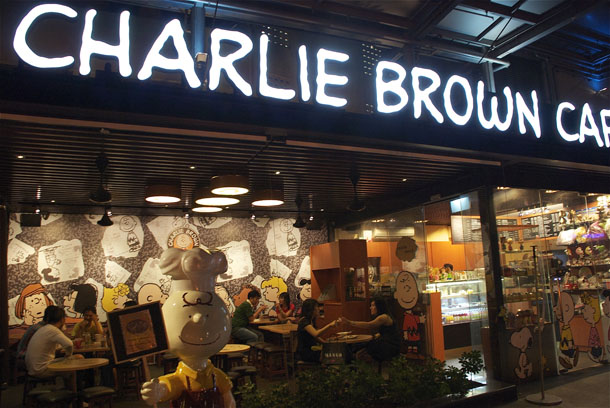
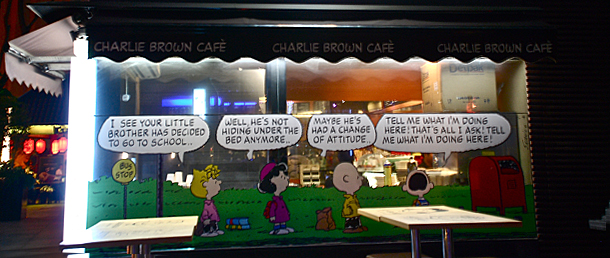
Snoopy, Charlie, Lucy and Snoopy of the comic strip Peanuts lurking in a cute looking cozy café – the Charlie Brown Café! Walking through the Discovery Walk at 313 Somerset, just off the Orchard Road we suddenly found this café. This is the first Peanuts Comic Strip themed café in South East Asia and the walls and the glass facade are adorned with comic strips and sells Peanuts characters sculptures and other collector’s items. Many of us must have grown up reading Charlie Brown – the born loser but absolutely determined to succeed.
And wouldn’t you want to hear the names of their signature crepes? Ahh – Charlie’s Peanuts, Snoopy’s Chocolate, Woodstock’s Cherry, Sally’s Apple, Lucy’s Strawberry! These Peanut characters also sneak into a few more of their signature dishes – Charlie’s Brown Chicken Rice, Snoopy’s Lava Cake!
And then there is the Orchard Central. The front exterior of this mall features local artist, Mathew Ngui’s eye-catching digital art membrane. The mall also houses the world’s tallest indoor Via Ferrata climbing wall, the largest collection of public art installations by international artists commissioned by any commercial development worth over $9 million! Not everyone may be able to earn $9 million in a minute but definitely everyone can view this Art Trail worth $9 million in a minute – Just click here!
The Urban Soul
What’s makes Singapore so different from Dubai, another modern city and my current home?
The 2 cities have similar Urban Soul in the following points –
- Similar retail options with global fashion labels – Zara, New Look, Esprit, Forever 21 etc and high-end brands – Bottega Veneta, Louis Vuitton, Prada, Gucci, Hermès, Loewe, Bvlgari, Prada, Giorgio Armani, Louis Vuitton, Dior, Dolce & Gabbana, Cartier and Patek Philip and more
- Both are gaining notorierity as the world’s best shopping centres, having the best shopping malls
- If Orchard Central has the world’s largest Via ferrata climbing wall, the Dubai has the world’s largest shopping mall – Dubai Mall, the tallest building – the Burj Khalifa with the tallest dancing water fountains!
- If you thought that it’s only in Dubai that construction takes place at night, then you will be surprised that the same holds in Singapore – at 12:00am we saw construction workers queuing up waiting for their bus to take them to their labour camps – but all stones are hurled only at Dubai!
However, the difference lies in the following –
Singapore seemed like a ‘real’ city even though it has it’s share of tall modern buildings and artificial structures. However, the natural foliage and greenery seems to engulf these buildings. People seem to be everywhere – walking on the streets, walking their pets, lining up at the underground subway, queuing up at Bus-stops. And there seemed to be FOODIES all around. I think this was the major difference!
The following pictures pictorially represents the path that we walked –
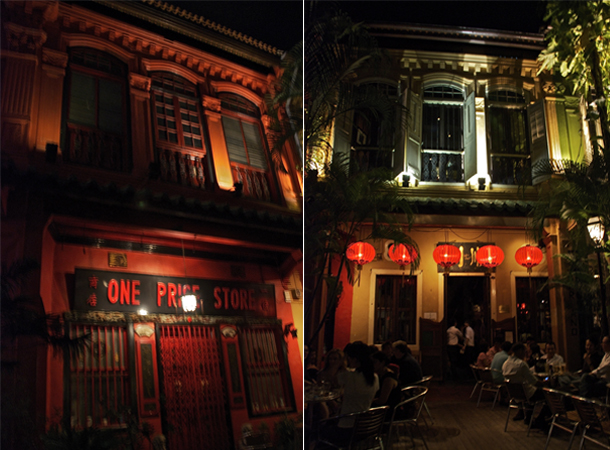
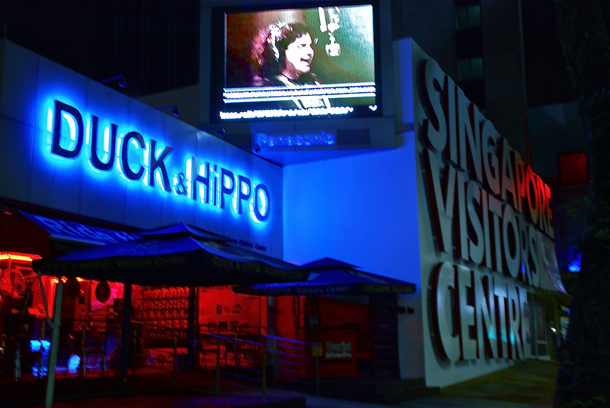
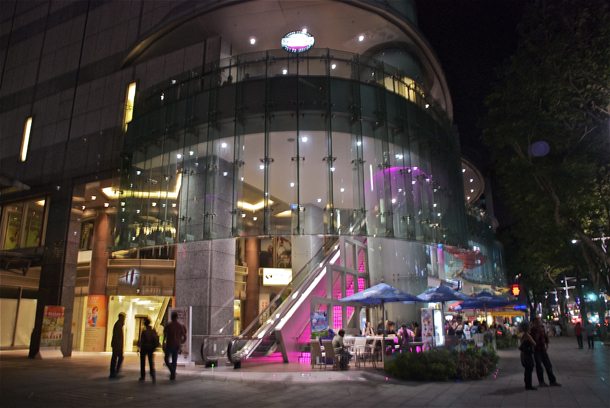

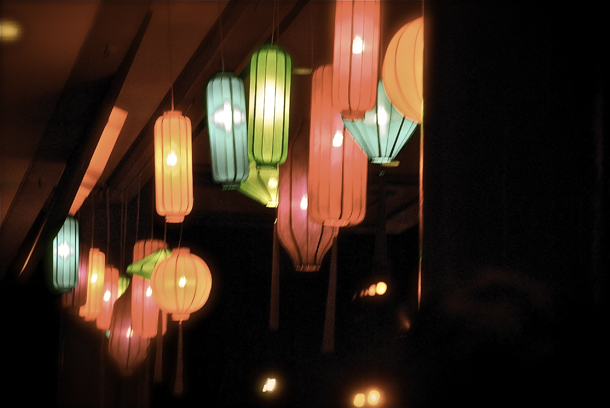
And then there had been the Clarke Quay!
This is a historical riverside quay in Singapore, located within the Singapore River Planning Area. Five blocks of restored warehouses house various restaurants, concept bars* and nightclubs. This time the kids were there. Hence no nightclubs, no club-hopping – simple family outing, eating in a good restaurant and running after the 4 kids so that they don’t tumble over the railings onto the water!
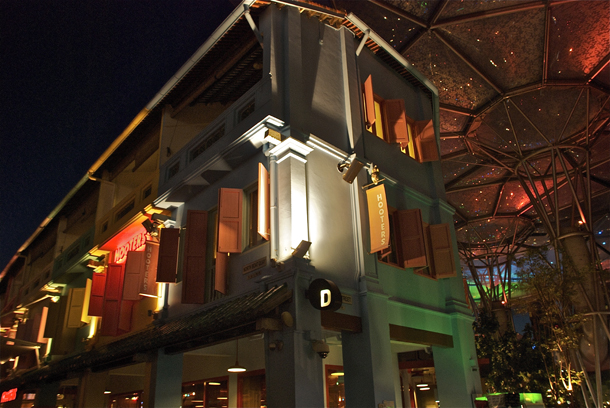
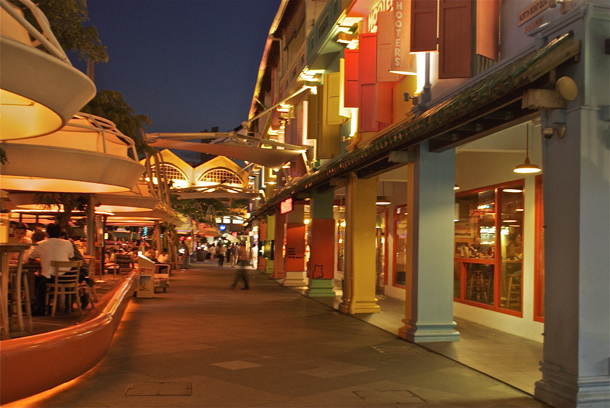
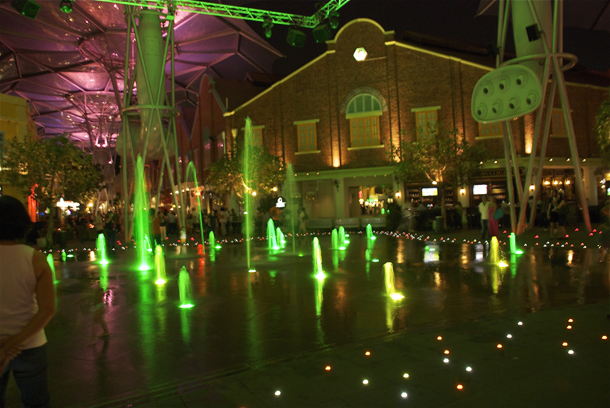
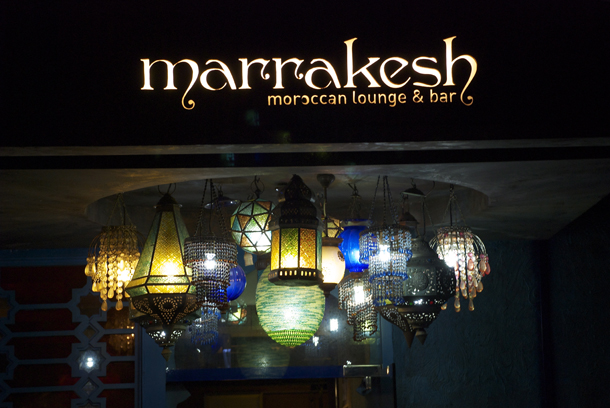
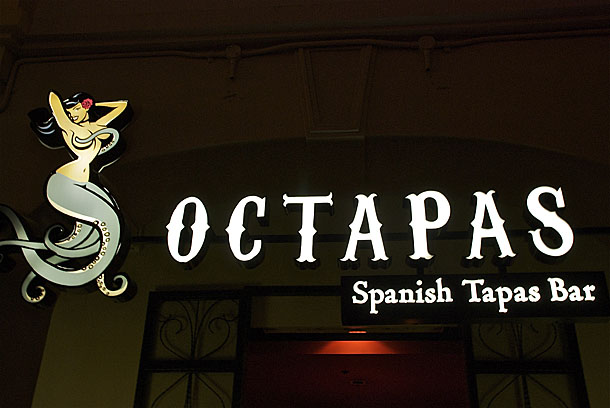
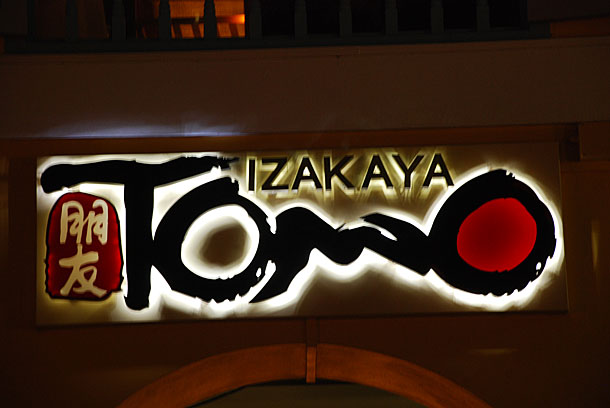
Never underestimate the Bumboats!
We also took a breath-taking river-cruise as we perched ourselves on a boat which is actually called a BUMBOAT! Bumboats were in use from the 1600s in Europe, when these were scavengers’ boats, primarily dirt and waste carriers, but these vessels also ferried fresh and provisioned foodstuffs to and from ships off-shore. These lighters were vital to the movements of commercial activity on the Singapore River for more than a hundred and fifty years. Today, they are being used taking tourists for river-cruises amidst narration of the history of the city. And yes, the views of the Singapore Central Business District as this Bumboat reaches the Marina Bay Sands Hotel is absolutely breathtaking!
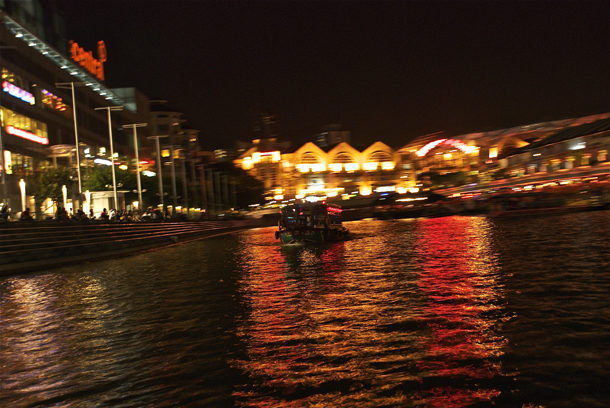
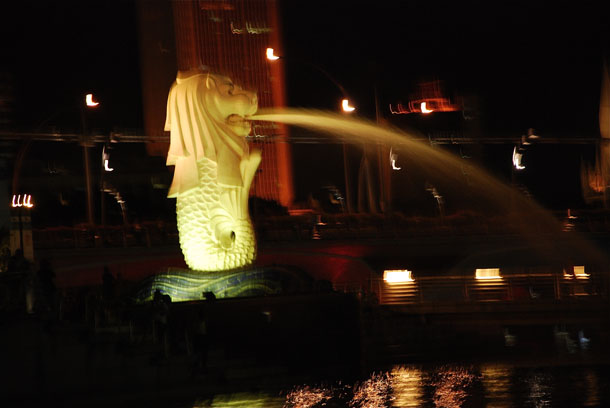
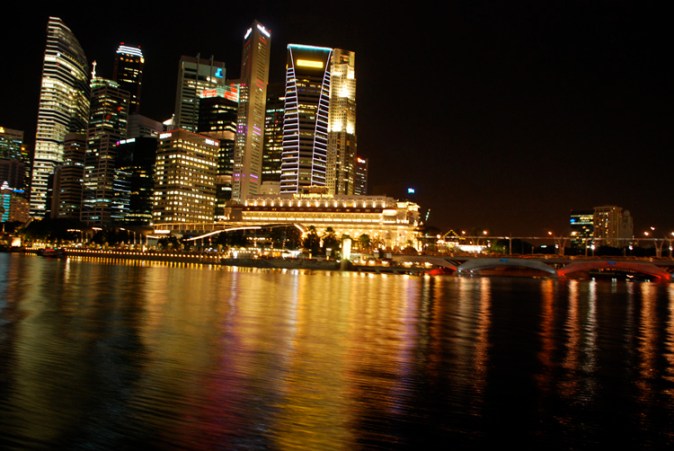
* Concept Bars – As a creative person though I should be welcoming these ‘concept’s but well, maybe I’m not creative enough to appreciate such morose and repulsive concepts (Pardon me if your views don’t match mine). For example, a bar called Clinic. Clinic’s unique alfresco is easily identified by its hospital whites, colourful pills, syringes, drips, test-tubes! So you sit on sofas designed as hospital beds and sip your drink through hospital drips. May be a funky point of looking at life, but an absolute No-No for me!
Memory Highlight
The day we trekked all across the Universal Studios, we re-visited our college nostalgia and we met up with two of our college pals with their respective spouses. We ended up chatting as if not a single day has passed between the Graduation Day and that day. Well, not for a second did we feel that we were meeting after so many years. Only probable difference was that now all of us were checking up our mobile phones every now and then to ensure that there were no ’emergency calls’ from home lest the kids had woken up! It all happened at Newton Food Centre where once again FOOD became the prime protagonist of the evening.
Also, we ate together some awesome food – reiterating the memories once again – Where Eating Out Is A National Pastime – Singapore. If such a good-time spent with college pals didn’t push our adrenaline high and make us feel young, then what else will? Hopefully senility hasn’t yet set in!
Unblogging it all… Ishita
PS: If you enjoy reading my blog and it inspires you in any way, do vote for me – the blog has been nominated as the Best Asian Blog in #MasalaAwards2015 under the Popular choice list.
To vote for me, please click here... masala.com/awards
Disclaimer: The subject, story, opinions and views stated here are my own and are independent and this was a paid family holiday. While you enjoy reading the posts with lot of visuals, please do not use any material from these posts. Do join me on my daily food and travel journey on Instagram, Facebook and Twitter.
Footnote: For those who are uninitiated to Ambassadors – * Images for Indian Ambassador Car, Ambassador Car. You may also be interested in Bumboats! Or about Charlie Brown!
BE SOCIAL. SHARE THIS!

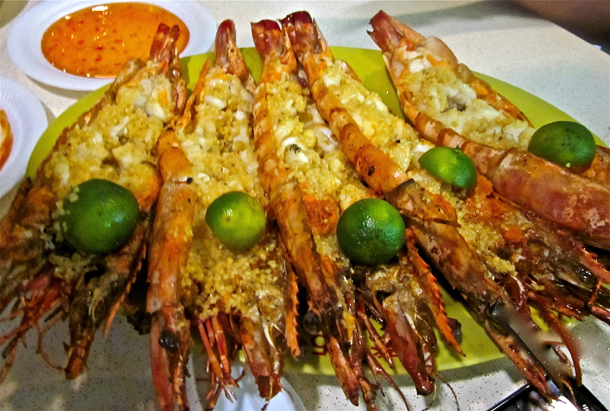
Singaporean Food: Singaporean cuisine is known for it’s ethnic diversity and is influenced by different cultures from different countries. For example – the native Malay, Chinese, Indonesian, Indian, Sri Lankan, Thai, Filipino, Middle-Eastern and also the English and Portuguese cuisines (the last two due to Singapore’s colonial history with these two countries) influence the local food. Eating joints at hawker centres or food courts are more attractive than regular restaurants!
Food is a national pastime here – a national obsession. What weather means to England, Food means to Singapore. It is the most discussed topic of conversation and an opening first in any social introduction – ‘Did you try this at such and such place?’ So much so that the Singapore Tourism Board organizes the Singapore Food Festival in July to celebrate Singapore’s cuisine and promote it alongside Singapore’s shopping experience. Our experience at Newton Food Centre – a very popular food court (not the food court variety that we are used to in shopping malls but rather a conglomeration of hawkers) was enough to make us realise that foodies like us were at the right place – a food paradise. Another food court that is also popular is Lau Pa Sat. Singaporean hawker stalls are famous for multi-cultural fusion dishes – like Chinese dishes with experimental Indian touches of Tamarind, Turmeric and Ghee!
Our exotic culinary journey in the Newton Food Centre is as follows:
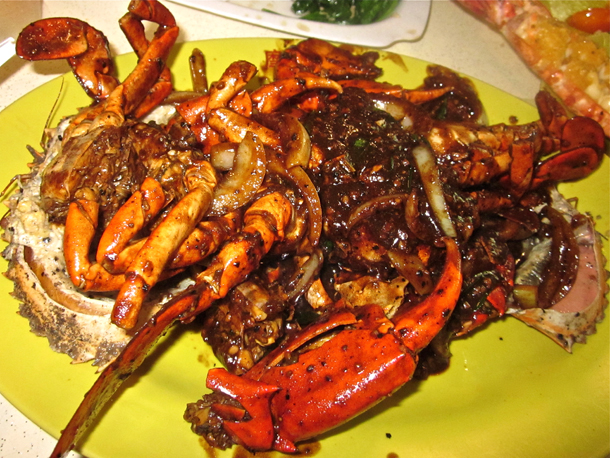
Singaporean Black Pepper Crab – Here, hard shell crabs are cooked in a black pepper sauce. This is by far the most popular seafood dish in Singapore, followed by the Singaporean Chilli Crab. We experienced the latter on our visits to the Chinatown much later. Wherever we went, everybody seemed to be ordering these two dishes to start with!
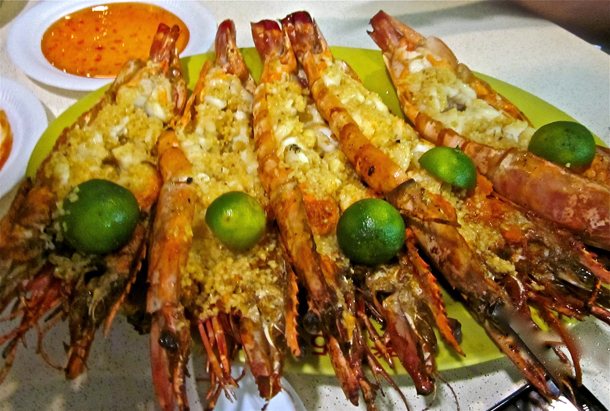
We also tasted the Tiger Prawns (above) and the Honey Chilli Chicken (below).
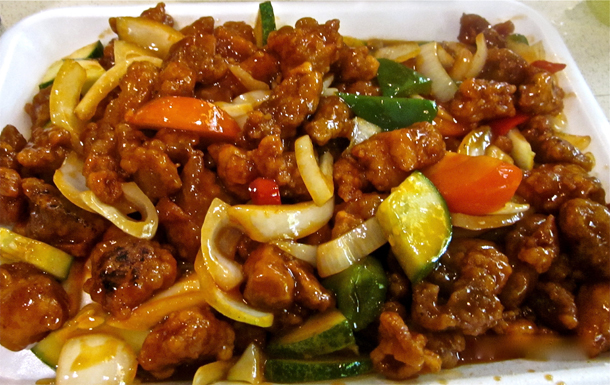
Chinatown: Whatever is written about the Chinatown in Singapore is never going to be enough. The Chinese are the largest ethnic group in Singapore. Chinatown reflects their heritage and their ethnicity. Located within the larger district of Outram, large sections of it have been declared National Heritage Sites for conservation by the urban authorities. Chinese restaurants – small and big, throng the entire Chinatown. And specially interesting are the dishes they serve – the authenticity of the Chinese dishes diluted and fused by multi-cultural influence!
Our unbelievable food trips at Chinatown:
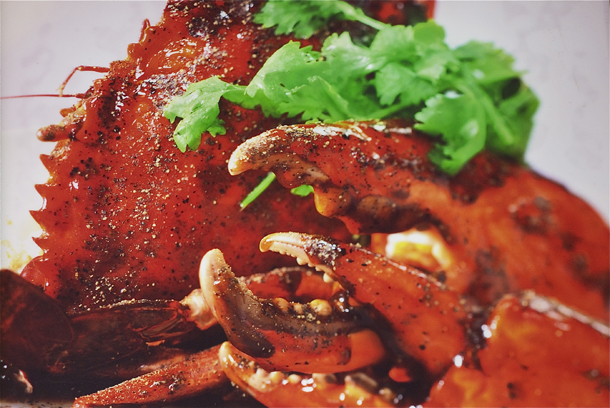
Singaporean Chilli Crab, is a kind of a celebrity dish where hard shell crabs are cooked in a thick tomato and chilli-based gravy.
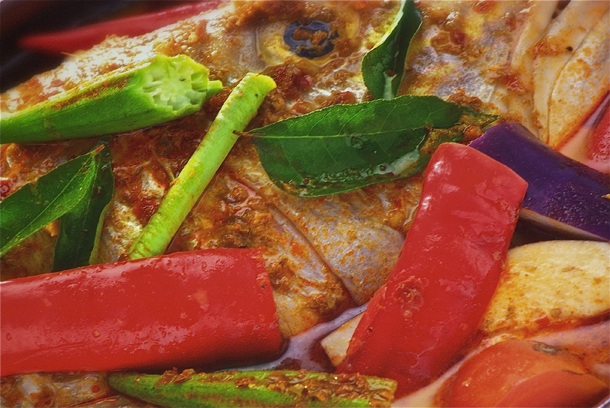
Asam Curry Fish-head, a dish created by Singapore’s Malayalee (an Indian ethnic group from Kerala) community with some Chinese and Malay influences. The head of a red snapper (ikan merah; literal meaning the ‘red fish’) is stewed in a curry consisting of varying amounts of Coconut milk and Tamarind juice with vegetables (lady’s fingers and brinjals are common used). This is sually served with either Rice or Bread.
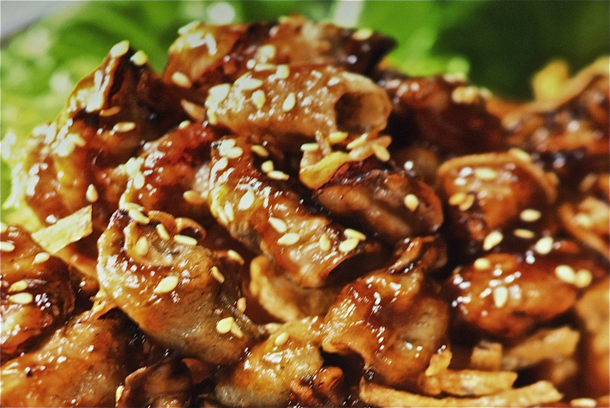
The other dishes that we tasted were Crispy Chilli Honey Squid (above) and the Sambal Mussels. Though Sambal is not a dish in itself, but a common chili-based accompaniment to most foods, here it has been added to the Mussels to make it a tasty Singaporean dish with Malay & Indonesian influence.
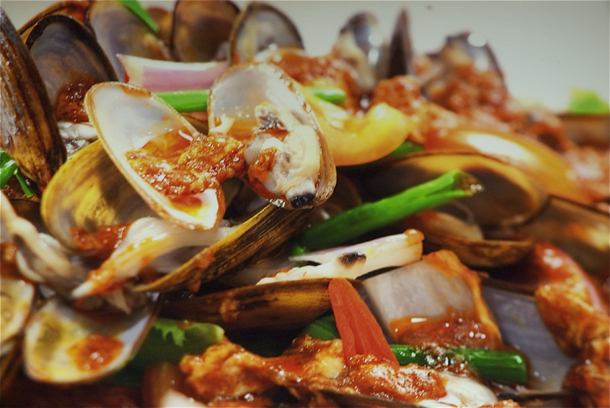
And now comes the part which is Not for the faint-hearted…
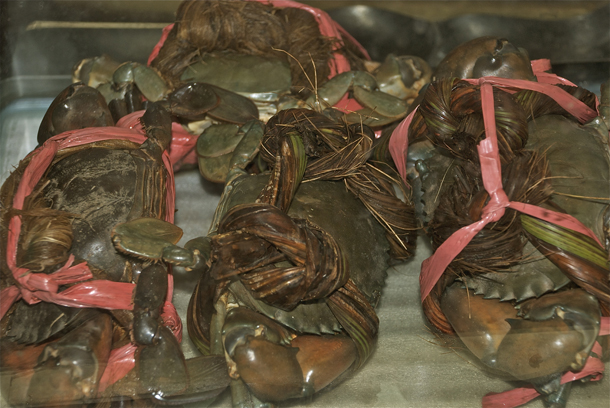
Most of the seafood sections have an array of live crabs which one can select and then order. They are kept tied up in plastic ribbons (above). The sizes of the crabs are enormous. Well, we chose a particular crab (I didn’t, but S did!) and the crab that went into the preparation of the Chilli Crab that we had ordered is shown below!
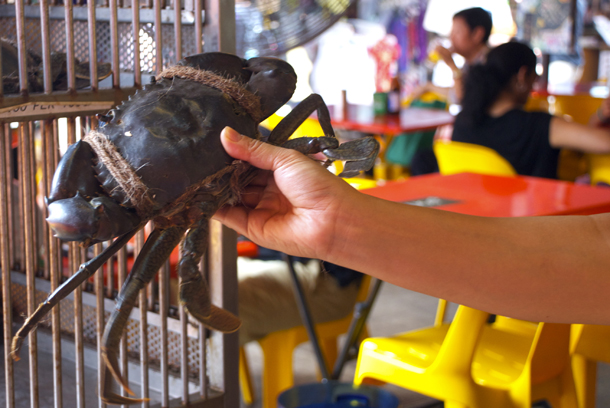
Clarke Quay: If the street food in Singapore is to die for, then the food offerings from the exclusive restaurants lining up the Clarke Quay will also take one straight upto heaven – if not for the taste but for the hole in the pocket the restaurant bill creates. Definitely not gentle on the wallet, the food served in the restaurants here can be mind-boggling. Clarke Quay is a historical riverside quay in Singapore, located within the Singapore River Planning Area. Five blocks of restored warehouses house various restaurants and nightclubs. Our food experience in one such Japanese restaurant is still lingering on. I haven’t managed to click pictures of the food itself – I was clicking so many pictures before the food arrived that once the food arrived, my fingers were already exhausted! Later, when my blog sense came back, I did click their menu cards. – These were the best Sashimi and Prawn Tempuras that we have ever had in our lives.
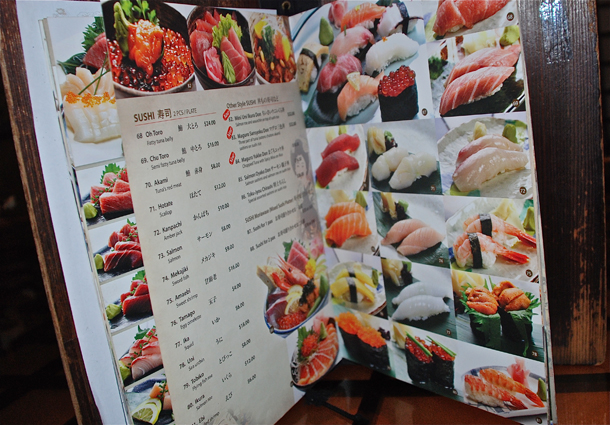
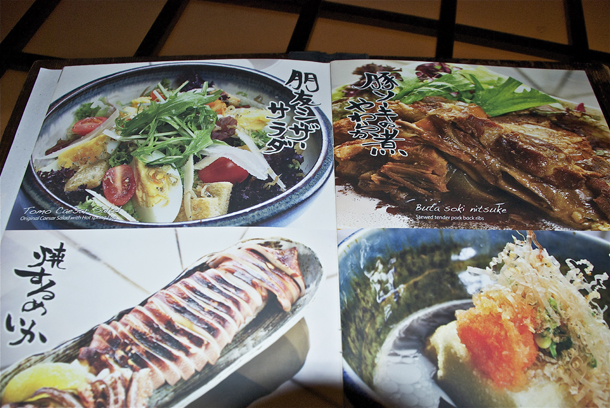
Some Singaporean Food regrets:
- There were lot of other dishes that went out off focus in my sheer food excitement and hasn’t been captured by the camera. For example – Laksa – thick rice noodles (Bee hoon) in a Coconut curry gravy with Prawns, Eggs and sometimes with the addition of chicken, Tau Pok (beancurd puffs) or fish cake. Peranakan in origin.
- Didn’t taste the Singaporean Sambal Kangkong, a dish of leafy green vegetables (water spinach) fried in Sambal. The Kangkong or the water spinach had been one of our most favourite vegetables when we were staying in Srilanka a decade back [Srilanka articles – Living by the water with sunset as prop – Colombo and the Indian Ocean; Red Tuk-Tuks and Triumphant Rides – Colombo, Srilanka].
- Didn’t taste the Singaporean version of Nasi Goreng, a spicy and sweet fried Rice dish which originated from Indonesia. We have tasted the Srilankan version of this dish and we were quite besotted by it.
- Didn’t taste the Nasi Biryani. Nasi Biriyani? Yes, Nasi Biriyani is a flavoured Rice dish cooked or served with Mutton, Chicken, Vegetable or Fish curry. We were so used to the Mughlai/Hyderabadi/Sindhi/Pakistani Biriyani with me being a bit partial to the Biriyani cooked in the Awadhi style [ode to my love for Awadhi Biriyani – From Lucknow to Kolkata to Dubai… In Search of Shiraz].
- And a host of other Singaporean dishes.
Well, all I can say is that there is always the next time! Or else find good Singaporean food in Dubai itself! (Updated this line much later – yes, I’ve found it!)
Unblogging it all… Ishita
PS: If you enjoy reading my blog and it inspires you in any way, do vote for me – the blog has been nominated as the Best Asian Blog in #MasalaAwards2015 under the Popular choice list.
To vote for me, please click here... masala.com/awards
Disclaimer: The subject, story, opinions and views stated here are my own and are independent and we have paid for all the meals that have been mentioned here. While you enjoy reading the posts with lot of visuals, please do not use any material from these posts. Do join me on my daily food and travel journey on Instagram, Facebook and Twitter.
BE SOCIAL. SHARE THIS!

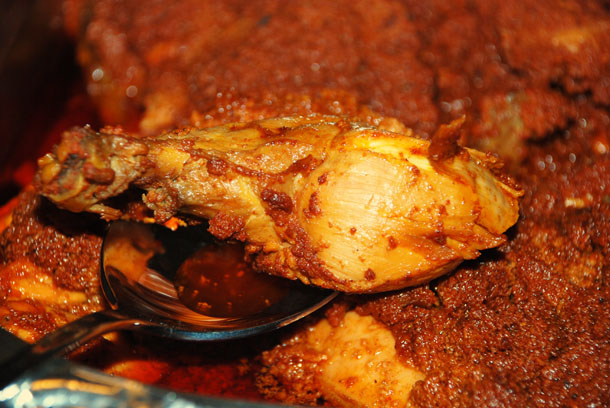
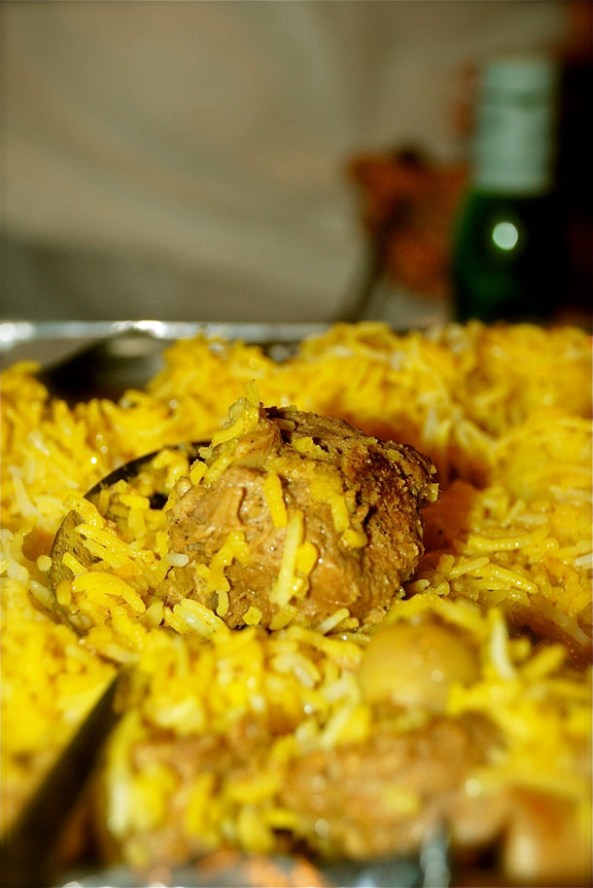
The Shiraz Nostalgia
 Amongst all the golden memories of my college days in Kolkata, the one thing that consistently churns up is Shiraz Golden Restaurant in Circus Avenue, Park Circus (left). All our random parties or any special party during any festival, for example Holi, Diwali or even Durga Puja was necessarily powered by Mutton Biriyani, Chicken Chaap and Firni (an Indian Dessert made with milk and powdered rice) from Shiraz. Each one of us would be handed over one packet of Mutton Biriyani and one piece from the Chicken Chaap to start with… and would end up with forever licking the spoons that scooped out the mildly aromatic Firni (a dessert) set in an earthen small pot! The same menu was repeated at every occasion when friends would meet and Mums would refuse to host mini impromptu parties.
Even today when we go to Kolkata, the same menu from the same Shiraz is waiting either for us at some of our friends’ houses or at our Kolkata home when we are hosting a get-together for friends and family who visit us! In-fact, on this summer holiday when we were in Kolkata, I took the Z-Sisters back to Shiraz while searching for some Ramadan special Haleem and the legendary Firni – an experience that has been described in my post Firni or Ferni, Ramadan or Ramzan, Mallick Bazar or Karama – It’s The Same Festive Sentiment! Crossing the crowded street with plying trams and many cars zipping past us along with the Z-Sisters – well, was a small journey by itself!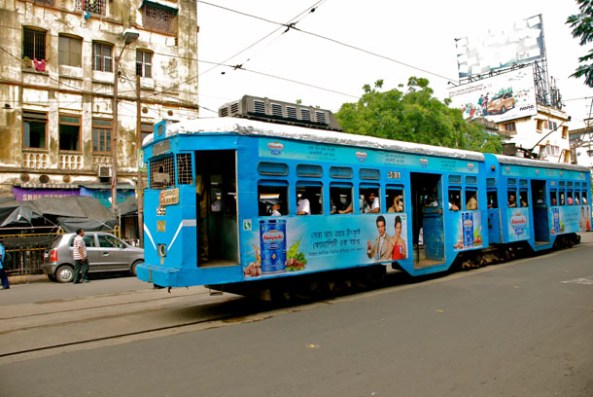
This was the first time in many years of our stay in Dubai that I was outside Dubai during Ramadan. Sitting there in Kolkata, I had to admit that I was missing Dubai for more than just the Iftar (the special meal with which the Ramadan fast is broken) Buffets. Here around the Park Circus area in Kolkata, things were different. Most of the restaurants were closed for the Iftar. There were no Iftar Buffets and you had to wait till the Roza (breaking of the fast) was done. As Iftar set in everybody set out to break their Roza. An amazing experience ensued. People formed groups – on the roads, in corners, behind stalls and prayed on the street and started picking on dates and nuts and other savouries from the same plate (below). Though I didn’t feel like prying into their privacies I have to admit that I almost struggled to keep my camera to myself.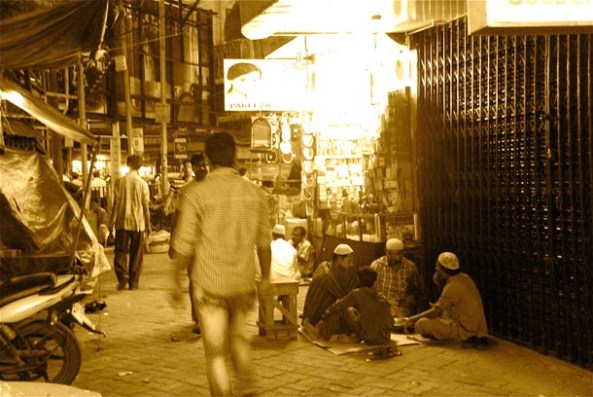
 The old Shiraz had moved across the road while a swanky new Daawat-e-Shiraz (left) in collaboration with Tulip Inn had come up in the place where the old Shiraz used to stand. Naturally an emotional heist. But face facts – how many times could we, the girls visit the old Shiraz? It was always the boys in the group who had to go and get the food from Shiraz while the girls would wait in the cars – crammed up in an old Ambassador car borrowed from a friend’s generous dad. The ambiance of the old restaurant with the thronging crowd, termed a bit snootily by most of the so called upwardly mobile educated society as the public or the junta, was not at all welcoming to most girls and womenfolk visiting the old Shiraz.
 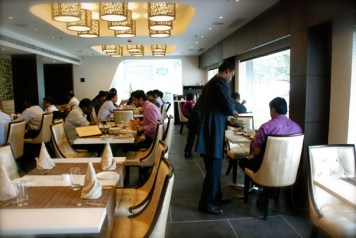 But the new Daawat-e-Shiraz is not only a face-lifted version of the old Shiraz but is also an upgrade in the dining experience, while serving the same good old Shiraz food. And the old restaurant which has moved across the road still serves the same menu and also an uplift so that a family can walk in and have a good Shiraz meal at good old prices in case you don’t want to spend out a 4-star restaurant bill that you might have to incur in Daawat-e-Shiraz.
Most of the Bengalis that I have met, associate Biryani, specially the Mughlai cooking with the Lucknowy or the Awadhi style of cooking. Hence, as much as we love the various kinds of Biriyani – the Hyderabadi, the Sindhi and the Pakistani Biryanis, our taste-buds still search for Shiraz’s Biryani (below). Though there is no dearth of Indian restaurants in Dubai, till now there was definitely a dearth of Indian restaurants which could satiate the Mughlai food nostalgia for those who grew up in Kolkata.
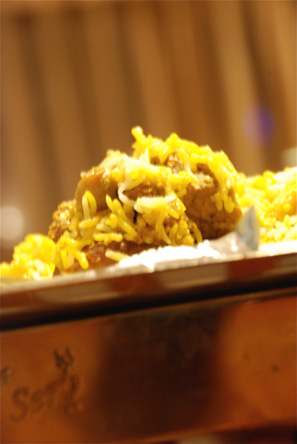
Well until now. Till Shiraz Golden Restaurant came to the shores of Dubai, all the way from Kolkata. Till then some dishes occurred only in my dreams. For example – the Kolkata Kathi Rolls. Or the Mughlai Parathas.
Interestingly, each and every special spice mix is brought all the way from the Kolkata Shiraz!
The Little But Grand History of Shiraz
The cooking style of Shiraz roots back to the princely Indian state of Awadh (Oudh) in the times of Nawab Mohammed Wajid Ali Shah Bahadur (1822 AD-1887 AD). Today this is modern day Lucknow. In 1857 AD after the Awadh kingdom was annexed by the British, the Nawab was exiled to Calcutta (today’s Kolkata). His passion for gourmet food traveled from Lucknow to Calcutta and was nurtured and garnished and fuelled by his special Bawarchis or the Chefs of the Nawab.
Awadhi cuisine has traveled far and wide. But it is believed that only a handful of chefs with royal khansama/lineage know the secret ingredients. Shiraz Golden Restaurant is one of the few Awadhi Restaurant that carries that legacy forward and they also embellished the Dum Pukht* style of cooking with aromatic ingredients, dried fruits, and aphrodisiacs that delighted the insatiable Nawab. Today, Shiraz with its rich history continues with the legacy of its Master Chef Shamsuddin, a direct descendent from the close courtery of Bawarchis from the kitchens of the Nawab. [Information Courtesy – Shiraz’s own write-up]
*Dum Pukht: The Awadhi cuisine originally introduced Dum Pukht to the world. Now it is also commonly used in other cuisines like Mughlai, Punjabi and Hyderabadi. Dum’ means to ‘breathe in’ and ‘Pukht’ to ‘cook’. Dum Pukht cooking uses a round, heavy – bottomed pot, a handi, in which food is tightly sealed and cooked over a slow fire (below). Less spices are used than in traditional Indian cooking, with fresh spices and herbs for flavouring. In some cases, cooking dough is spread over the container, like a lid, to seal the foods. [Information Courtesy – Wikipedia]
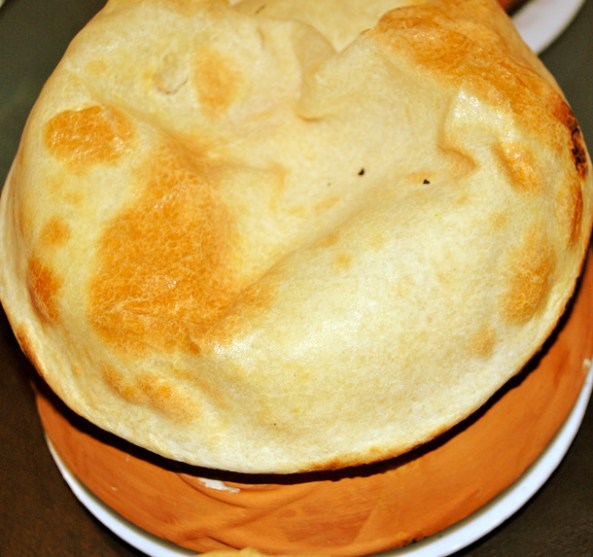
Shiraz Golden Restaurant, Dubai
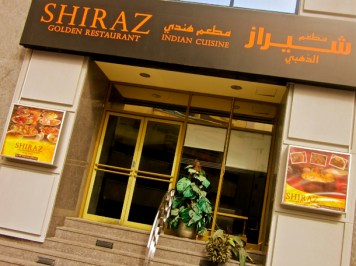
Cuisine Type: Awadhi (Indian); Vegetarian & Non-vegetarian
Tel No: +971 4 3589818, +971 4 3589322
Location: Al Abbas Building, Bank Street, Bur Dubai;
The Location: Shiraz is conveniently located in Bank Street and hence can cater not only to this populated residential area but to a lot of offices, particularly Banks located on Bank Street. And this ‘Home Delivery’ option extends beyond the area, just like most restaurants in Dubai promises.
The Decor: This is a far cry from the Shiraz ambiance that pervades throughout the original Shiraz in Park Circus, Kolkata. Here, the decor echoes the cuisine it promises to serve. Framed pictures of courtesans and musicians in sepia donning the wall reminds one of Shiraz’s Awadhi heritage while a huge image of the famous Howrah Bridge (above) in the backdrop reflects the Kolkata connection.
Another thing that is different in Shiraz in Dubai as compared to it’s Kolkata counterpart, is the clean and open kitchen area (below) where you can see the cooks making the Parathas and grilling the Kebabs. Had we have ever bothered how the food used to be cooked in the original Shiraz kitchen in Kolkata? That is what aging does to people I guess – you start thinking too much once you start learning and understanding too much. Who the heck cared how food was cooked when we were young? But now as I’m growing old this is all that I perhaps care. As usual I must have intimidated the cooks behind the transparent glasses as I clicked them cooking and stirring and cleaning. Making our Chaaps (further down) and making the Rumali Rotis!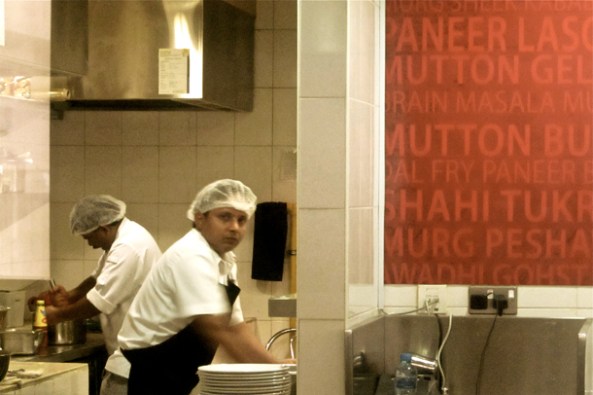
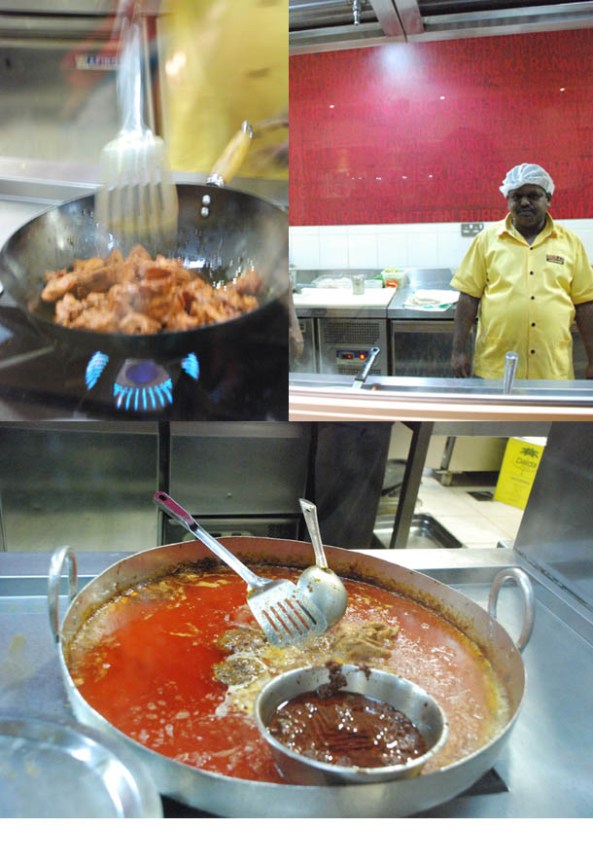
The Food: The menu card promises a khazana/treasure trove of Awadhi cuisine. We started with the delicious Mocktail – Mango Caprioska – a concoction of Mango, Pineapple and Mint. And yes, it was amazingly rejuvenating and cooling. The other Mocktails sounded equally alluring but couldn’t taste this time were. These were Cucumber Lemonade (simple but interesting!), Mango Caprioska, Strawberry Bizz and Shiraz Special Fruit Cocktail.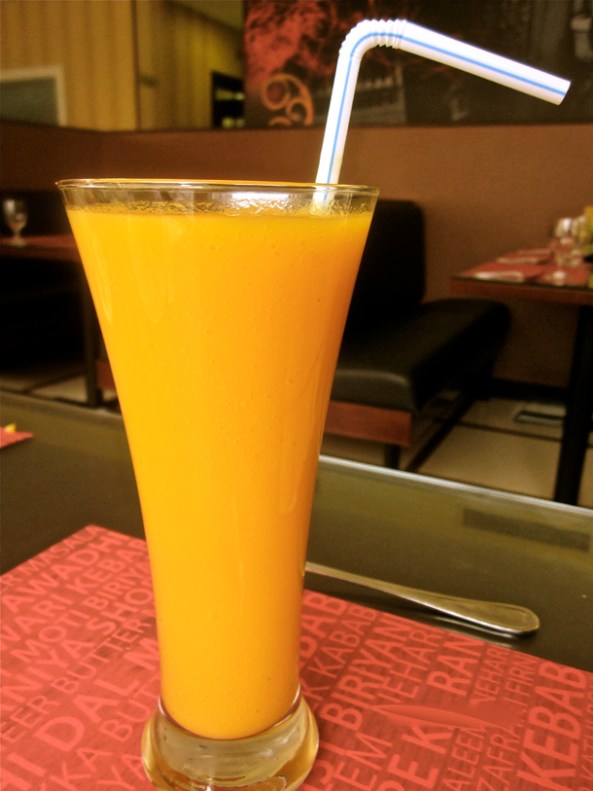
Since no one goes to Shiraz to have just a salad, the restaurant too has not taken much pain to keep anything elaborate than a Raita which is a typical sub-continental condiment made with Dahi/yogurt and used as a sauce or dip. The other option was a plain Garden Salad which is a mixture of cucumber, carrots, onions and green chilli!
The chicken starters boasts of Murgh Tandoori, Murgh Reshmi Kabab, Murgh Tikka kabab, Murgh Bara Kabab, Murgh Qalmi Kabab, Murgh Seekh Kabab, Murgh Kathi Kabab while the mutton/lamb starters boasts of Mutton Reshmi Kabab, Mutton Seekh Kabab, Mutton Raan, Mutton Shami Kabab, Mutton Galawati Kabab, Mutton Kathi Kabab. Unfortunately, the mutton starters are served only on Thursdays and Fridays (a Dubai weekend starts on a Thursday, Friday being a holiday). But why? Why? Why? The Murgh Reshmi Kabab (boneless chicken marinated with green chillies, coriander and onions) that we had ordered came with the sauce which is a trademark of Shiraz.
The main course consisted of Mutton Biriyani and yes, it exuded the exclusive fragrance that only Shiraz’s Biriyani possesses. All their Biryanis (Mutton Biriyani, Murgh Biriyani, Kachi Biriyani) are signature preparations of Shiraz, cooked in typical Dum Pukht style. The mildly aromatic Vegetable Biriyani made with long-grained Basmati Rice was also a delight. The Murgh Chaap ordered as a side-dish was a perfect accompaniment to our Biriyanis.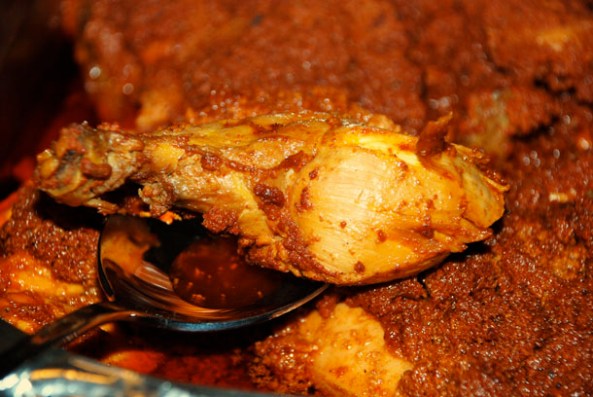
The Murgh Chaap (above) or the Chicken Chaap occupies an important position in our memories framing Kolkata nostalgia. This is the Chaap and the packet of Mutton Biryani (below) that had been our sole party menu organised with our shoe-string student budget! Can you feel the oil dripping out of the spices that caress the chicken piece? Forget calories and cholesterol – these are once in a while moments that make ever-lasting memories!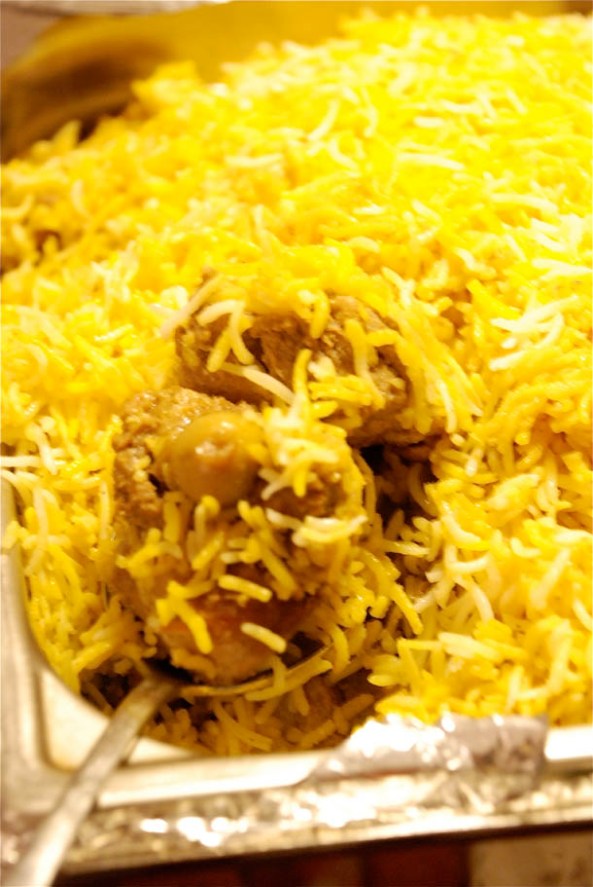
Since we were just two people, we couldn’t have ordered any more side dish. Most unfortunately! Because there are enough and more options to choose from – Murgh Kassa, Murgh Qorma, Murgh Roghan Josh, Murgh Chaap, Murgh rezala, Murgh Mosallam, Murgh Bhuna, Murgh Bharta, Murgh Butter Masala, Murgh Tikka Butter Masala, Murgh Kadahi, Mughlai Murgh Butter Masala, Mughlai Murgh Bharta with the last two dishes being cooked in cashew nut sauce, butter, special Masala & saffron; Mutton Stew, Mutton Kassa, Mutton Qorma, Mutton Roghan Josh, Mutton Boti kabab (with gravy), Mutton Rezala, Mutton PAsinda, Mutton Chaap, Mutton Qalia, Mutton Haleem and Fried Bhuna.
Shiraz also serves Mutton Halim on Thursdays and Fridays. Halim or Haleem, a special Ramadan dish made of wheat, barley, meat (usually beef or mutton, but sometimes chicken or minced meat), lentils and spices. This dish is slow cooked for seven to eight hours, which results in a paste-like consistency, blending the flavors of spices, meat, barley and wheat. Because of the difficult in cooking, Halim is a delicacy and it is cooked in large quantities in a huge aluminum cooking pot. In the Park Circus and Mallick Bazar area of Kolkata, there are many alleys and small restaurants where you’ll find long queues for Halim. We too had queued for Halim in front of Kolkata Shiraz this summer and Rahmania, another restaurant across the road. Not only dis we queue for the Halim, we also took containers full of Halim home. From both Shiraz and Rahmania! Halim, cooked in Awadhi style with seventeen aromatic herbs and spices, is a hot favourite during Ramadan in Lucknow. The picture below is a queue that we encountered waiting for Halim infront of Shiraz Kolkata. Don’t forget to read that experience here.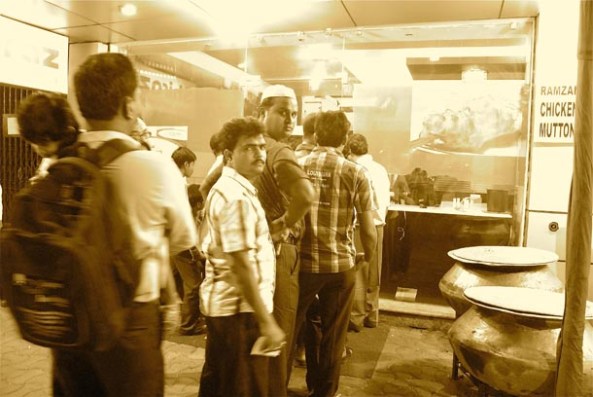
Another legendary food pairing from Shiraz that floods my memories is Laccha Paratha (below) eaten with Mutton Galawati Kabab (picture further down). Lachcha Parathas are Indian Flat breads – crispy with several layers. Galawati Kababs are flat cakes made with Mutton paste marinated with special herbs and spices and shallow fried on hot grill.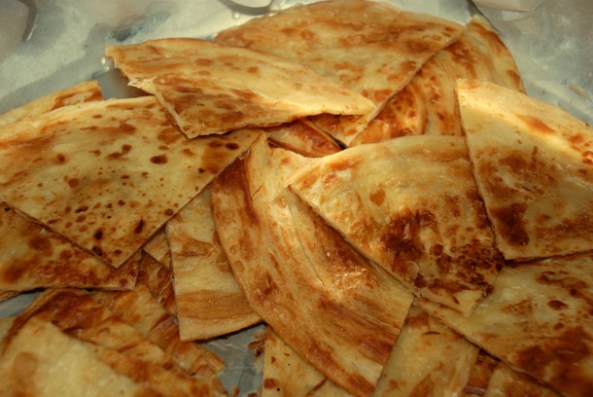
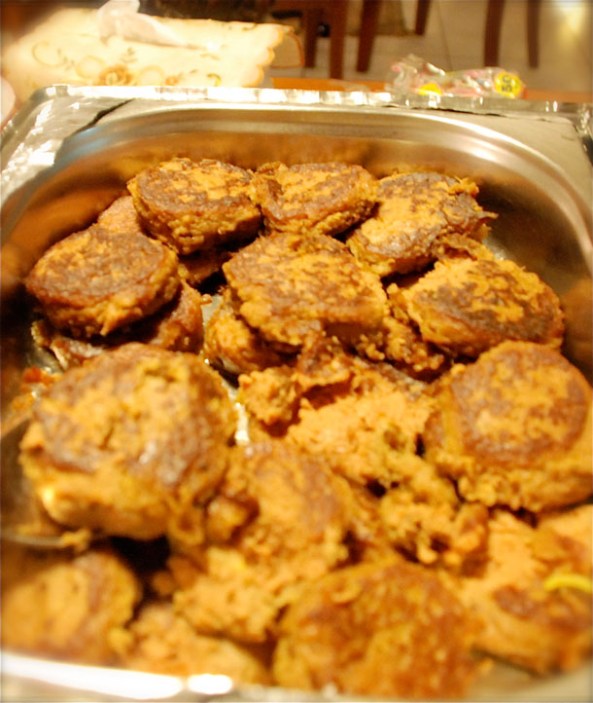
Laccha Parathas can take up an entire post – the way the dough is mixed and the layers are rolled out and made into Parathas. For the time being I’ll just have to suffice with two additional pictures of the soft crispy Parathas – the smell of Ghee /Indian clarified butter still lingering on in my fingers as I type on my keyboard, reminiscing and romanticising them.
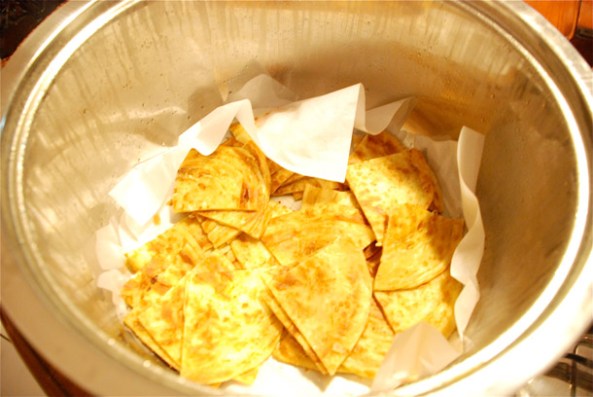
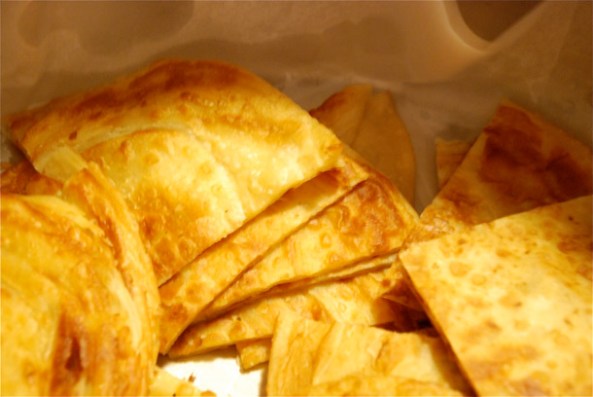
There is a lot of seafood options – an option that I wasn’t even aware that the original Shiraz in Kolkata ever served. For example – In the Starters you will get Mahi Tandoori (fillet of fish), Mahi Tikka, Jheenga Tandoori (Prawns); in the Main Course you can order Fish Tikka Butter Masala and Jheenga Butter Masala.
For the Vegetarians: There are only two limited options in the Starters – Paneer Sashlik Kabab and Veg Seekh Kabab. However there are more options in the Main course – Sabz Butter Masala, Sabz Jhaalfreezi, Lasooni, Kadahi Paneer, Kashmiri Aloo Dum, Dal Makhni, Palak Paneer, Sabz Navratan, Paneer Butter Masala, Yellow Dry Fry and more.
They have also designed some reasonably priced Vegetarian Combos (all priced at Dhs 18/-) which I think targets the daily lunch requirement in the surrounding offices.
The Mutton Biryani (above) that we had ticked all the right notes pertaining to our Awadhi food craving. Succulent, soft pieces of mutton pieces and big chunks of Aloo/Potatoes – a must for all Bengali Biryani lovers. The only thing that was missing was pieces of hard-boiled eggs that are fried and comes along when you order a plate of Special Mutton Biryani in Kolkata. Anyway our egg-craving was satiated that day by the one that came along with the Chicken Bharta (below) that we had ordered. Chicken Bharta is a dish where shredded chicken pieces are marinated and cooked in cashew nut sauce. Yes, a creamy layer forms in your fingers that needs more than just a handwash and a rinsing to go – but worth every lick!
The Highlight: Though the Biryanis and the other dishes satiated our souls, what swept us away to the Kolkata Memory Lanes were the Kolkata Kathi Rolls (below). Prepared just like the way we Kolkatans like it – succulent pieces of kababs wrapped inside Parathas (Indian flat bread). You get a variety of the typical Kathi Rolls – Egg Roll (Dhs 8/-), Chicken Roll (Dhs 10/-), Mutton Roll (Dhs 12/-), Mutton Tikka Roll (Dhs 14/-), Egg Chicken Roll (Dhs 12/-), Egg Mutton Roll (Dhs 14/-), Vegetable Roll (Dhs 8/-), Paneer Roll (Dhs 10/-), Mixed Vegetable Roll (Dhs 10/-).
The reason I mentioned the prices is because I think that the prices here in Dubai are not very different from their Kolkata counterparts. I think that’s a very interesting aspect if we consider the conversion rates of Dirhams to Indian Rupees is 1:15 . Either the Kathi Rolls in Kolkata are overpriced or they are underpriced in Dubai just to sell the concept.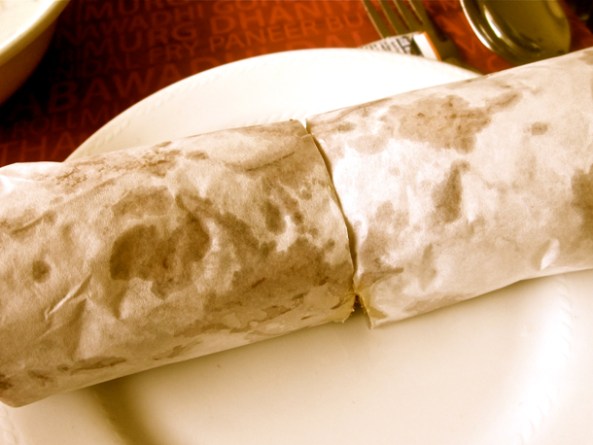
And hold your breath, they also served some Diet Kathi Rolls if you are interested. What are Diet Kathi Rolls? Well, these rolls are made with Rumali Roti! From when has Rumali Roti made with refined white flour make into the category of diet food? Never mind, I guess these rolls are Diet Rolls only because they are not made with Parathas fried in oil! Again, I stood in-front of the glass window of the open kitchen and stood mesmerized as the cook went on making the Rumali Rotis (below). Does he look a bit irritated? Do I need to care? I don’t know but definitely I have ended up realising that making of Rumali Roti is nothing short of a performing art. My next agenda? Shoot a video of this artist making Rumali Roti. Till then, Mr Cook, you may relax!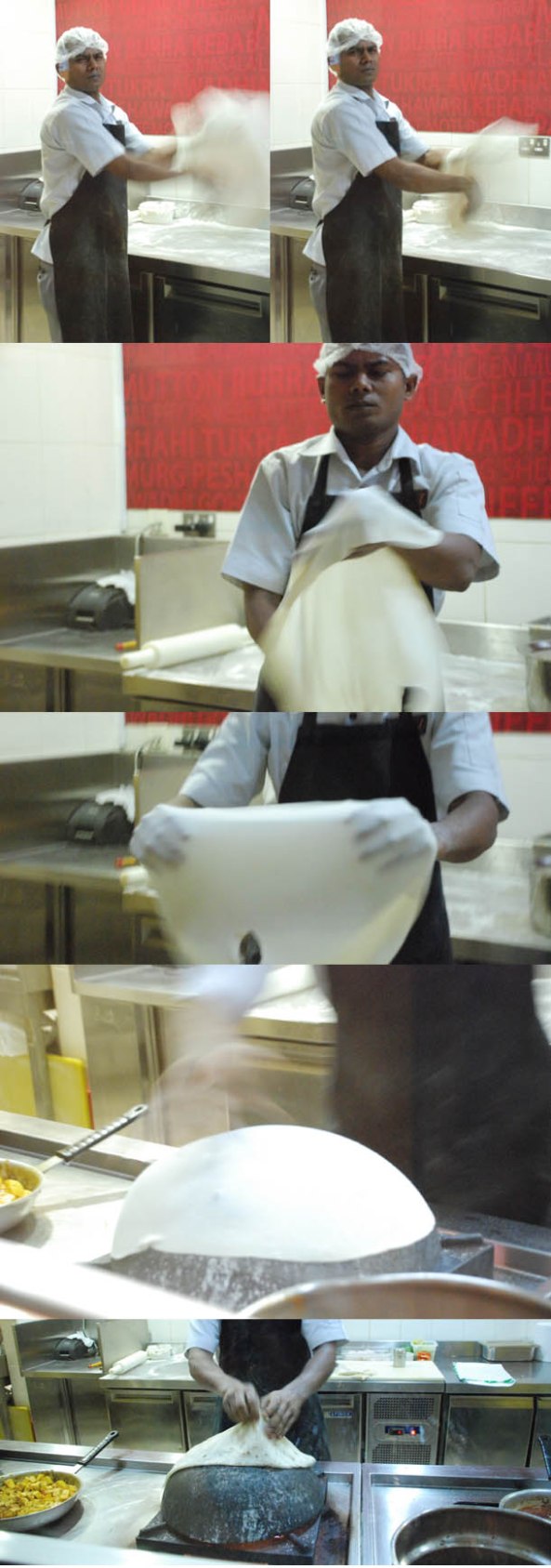
Unfortunately couldn’t try the desserts anymore as we were so full. But the ones that are mentioned in the menu card – Firni, Lucknowy Kheer, Shahi Tukda (again only on Thursdays & Fridays), Gajar Halwa and the Gulab Jamuns are going to haunt me till I actually try them the next time we visit Shiraz. A short reminiscence of the Firni set in earthen pots as served in the Kolkata Shiraz (below).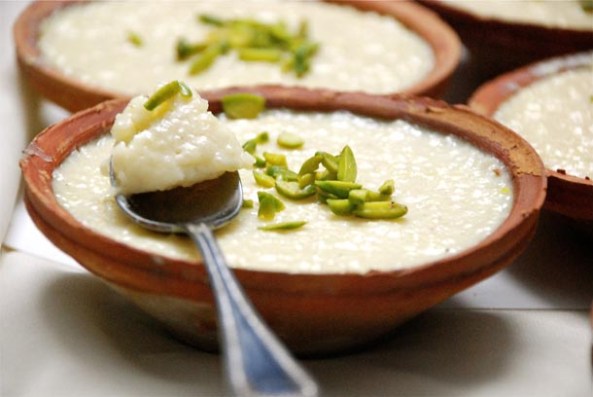
Special Mention: Though Shiraz specialises in Awadhi Cuisine, the Restaurant organises special Bengali Buffet (below) during the Durga Pujo, the biggest annual 5-day festival for the Bengalis, an autumnal affair. I would say this is Shiraz’s ‘community service‘ to the Bengali community and perhaps also to pay it’s tribute to its origin in Kolkata. The Buffet spread had perhaps every traditional Bengali Dish that you can think of excepting those made with Posto (poppy Seeds as they are banned in the UAE). Not the most authentic Bengali food I would say, but in a city flooded with so many international restaurants and Indian restaurants, it’s a pity that there is no authentic Bengali restaurant apart from some Bengali Food festivals organised in some places. Yes, a special moment made more special when you see the prices. Priced very reasonably the Buffet is nothing short of community service!
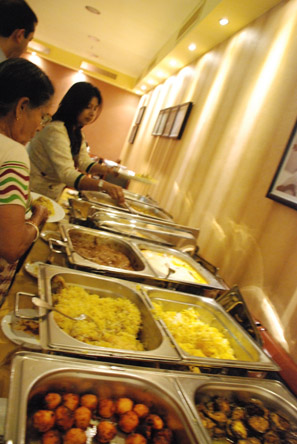
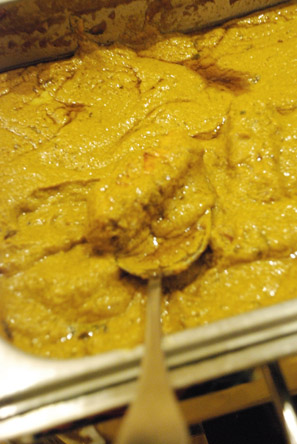
In any case there’s a lot to debate about what constitutes authentic Bengali food? I’ve made an humble attempt for those who are uninitiated to Bengali Cuisine in one of my most popular posts – Traditional Bengali Food. After our our taste-buds and our Bengali souls completely satiated, we headed home knowing that at-least there’s one place in Dubai where we can head back to when our Awadhi food cravings creep up. This is not a place for a romantic candle-light dinner for sure, but definitely worth many a visit for a good Lucknowy/Awadhi meal in a mid-range budget. And of-course when we start missing our Shiraz days in Kolkata – which is quite often that I would like to admit!
Unblogging it all… Ishita
Disclaimer: This review has been done by IshitaUnblogged independently on one of her nostalgic food trips and all opinions are my own. I hope you enjoy reading the posts with lot of visuals. While you enjoy seeing them please don’t use them as some of them have been taken from our personal albums just to make your reading experience more pleasurable. You can see more pictures of my travel and food journey here. This has also been posted in Yummraj under the category of Guest Blogging, Eating Outside India
While I’m on Shiraz nostalgia, I’m also linking up Kalyan’s (of Finely Chopped) post… Dining like a Nobab … Shiraz, Kolkata
◊————————————————–◊
My Dubai Diary in this blog:
♦ Things To Do In Dubai – Like A Tourist In My Own City – Showcasing the city I love to call my home!
♦ My First Authentic Emirati Food Experience! – Al Fanar Restaurant, Dubai Festival City
♦ Al Maha Desert Resort & Twitterati Lunch – Al Maha Luxury Eco Resort
♦ An Evening of Wine Tasting at Asado Wine Club – Asado Wine Club, The Palace Hotel, Old Town
♦ The Label Project – Wines Tasted Blindly! – Invite to a Global Wine initiative from Jacob’s Creek
♦ TRIBES Celebrating South African Heritage Day! – TRIBES, the South African Restaurant in MOE
♦ Locavorism in UAE, Friday Market
♦ The Change Initiative Inspiration! – Dubai’s first sustainable store, restaurant & café
♦ Zatar Lamb, Crushed Lemon Potato with Chef Ron Pietruszka – Treat 2012, Burjuman World Food Fest + a Recipe
♦ Back To Dubai, Back to Costa –A nostalgic recount of favourite coffee haunt
♦ Searching for Shiraz – Lucknow to Kolkata to Dubai – Nostalgic search for Kolkata’s famous Shiraz Restaurant ends with Siraz opening in Bur Dubai. Exploring some Awadhi/Lucknowy Khana!
♦ Down To Earth Organic Store In Dubai & Mutton Chick Peas Curry – An event + a Recipe
♦ Mums Who Share @JBR – A charity initiative
♦ Deep Sea Fishing & Fish Barbeque – Persian Gulf off Dubai Coast
♦ The Million Street, in the middle of nowhere – Rub Al-Khali Desert, UAE
BE SOCIAL. SHARE THIS!

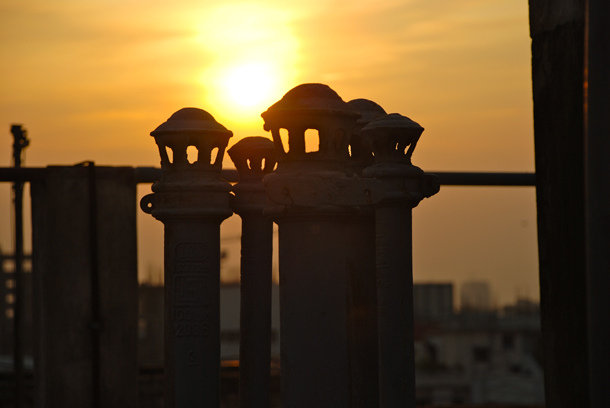
And above all, watch with glittering eyes the whole world around you because the greatest secrets are always hidden in the most unlikely places. Those who don’t believe in magic will never find it.” ~ Roald Dahl

The terrace or the Chaad as it is called in Bengali has a special designation in my long list of nostalgia. Specially, terraces in Kolkata. From exchanging gossip to plain peeping, I have always found something interesting to do on terraces. I find them fascinating. I love zooming in and out while tracking people from a distance or peep into terrace incidents. I am bewildered by the innumerable wires and cables trailing into different houses and amazed by the mossy dampness on the terrace walls that give birth to textures and colors that I so painstakingly try to trace out on my art canvases at home.
I have spent my childhood in Kolkata. And I have spent practically all my waking hours on terraces! The terrace has been a silent partner in all my childhood crimes. I witnessed so many Para or neighborhood romances bloom here (not to mention my own romance), got drenched in the first monsoon showers or hid under the mossy water-tanks to avoid my parents’ wrath when I was the most ‘WANTED’! I also made some of my best friends here amidst innocent and not so innocent chit-chats or addas as it is famously called in Bengali! The fresh breeze on the terrace and the clear blue skies have helped me mug up my chemistry and algebra formulas or lines from my school drama. It has also witnessed me enacting my pretend ones! I have walked bare-feet on the precarious rails, searched for the special stars, prayed for rains or the sunshine, depending upon the need of that hour. I have hid treasures and secrets at various corners or behind targeted pots and plants.
The terrace or my Bengali Chaad has been one of my best friends. And this is my tribute to it’s beauty!
Unblogging it all… Ishita
Title: A Mossy Kind of Art
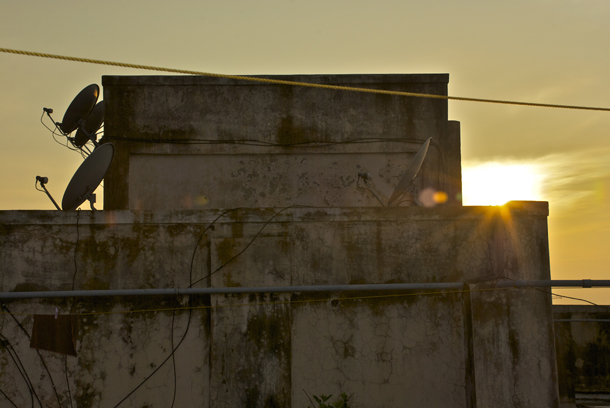 Sunset behind the attic room
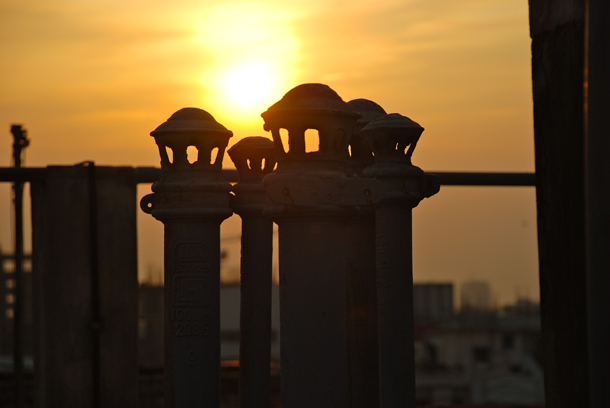 Even the water pipes seem regal against the sunset
 The different brands of satellite dishes fighting out for their territories against the backdrop of the sunset
 The cable wires – dangerous, but artistically veining out


 The lonesome water-container – an artistic prop in the lonely terrace

 The moss on the water-tank… my kind of art and textures
 The sudden blue tap in the water tank – the beautiful contrast against the randomly textured water tank
 The faint evidence of the monsoon shower; Photo Courtesy – my brother
 The attic room, the elevator room and the satellite dishes
 The staircase window
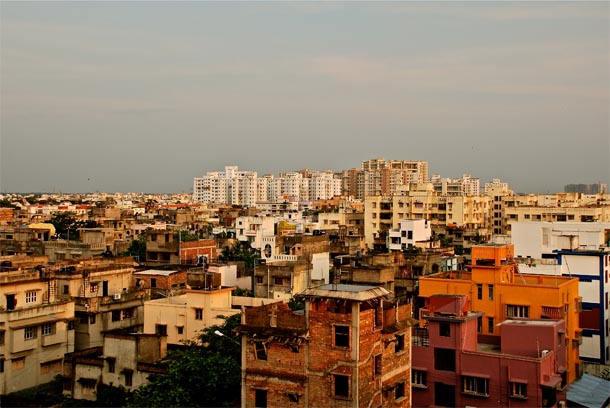 The distant city horizon at the last hour
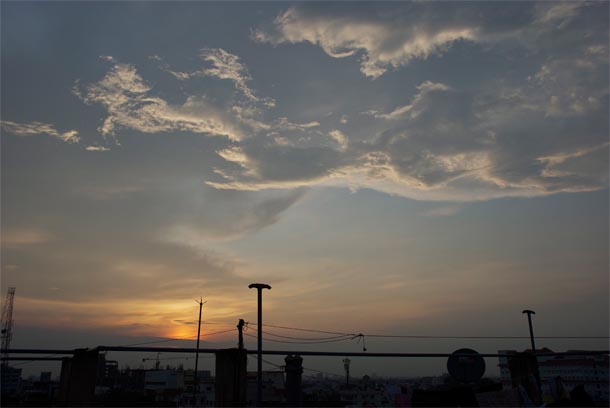 And soon the night shall set in
Disclaimer: This isn’t a sponsored post, nor are there any affiliated links. The subject, story, opinions and views stated here are my own. While you enjoy reading my posts with lot of visuals, please do not use any material from these posts. Do join me on my daily food and travel journey on Instagram, Facebook, Twitter and Pinterest.
You may like my other Kolkata articles:
- Living by the water with sunset as prop – Kolkata & the Ganges
- Magistrate’s House, No 1 Thackeray Road, Alipore – Kolkata
- Auto, my ultmate road crush – Kolkata
BE SOCIAL. SHARE THIS!

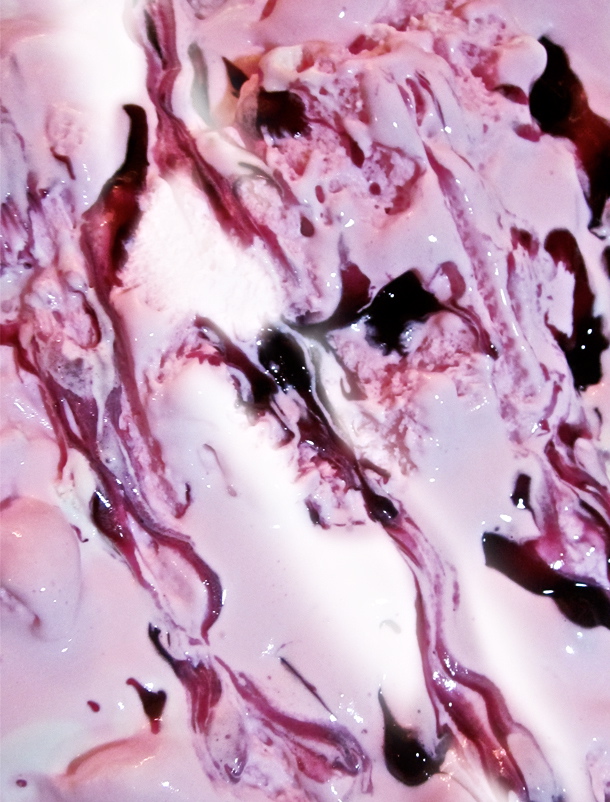
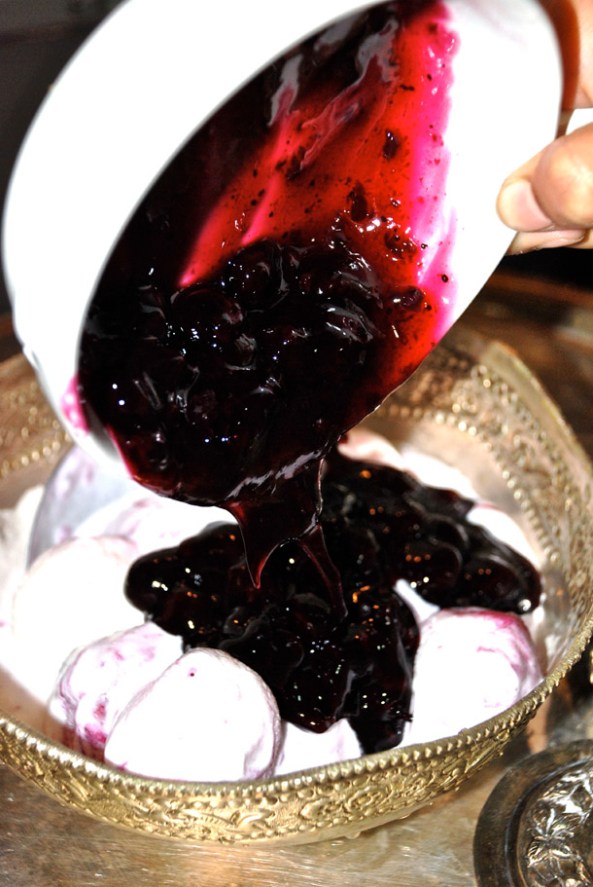
Holi Nostalgia – The inspiration behind this dessert dish
Holi, the festival of colours is probably the most famous of all Indian festivals. The entire land as well as the people of India turns into a big canvas on which colours are smeared upon. I’m always debating as to which Indian festival is more popular – Holi or Diwali? And which is more fun – the blurbs of colours in Holi or the bursting of crackers during Diwali? If you are in India, there isn’t any debate. You can have a super colourful Holi and a very noisy Diwali without getting into any trouble with the law! But, if you happen to live outside India, then, Holi might be more of a nostalgia for some. I am adding might simply because not all places outside India may have the opportunity to chance upon organised Holi events like in Dubai (or many other cities outside India) where one can have a boisterous Holi. Not to mention the post-Holi Facebook photo exchange of friends all over the world – from Washington to Singapore and every other city in between, as to who was the most colourful of all. As if we were back to our school days and we were bac to being little kids trying to show off whose colour was the strongest and lasted the most, even after many many days after Holi!
I have grown up in Kolkata amidst celebrations of all kinds of festivals irrespective of any religion. This is a topic that I have written and re-written about a lot of times. Though we have re-created the festive moments outside India in whichever city we have stayed in, I miss all the festive fervour. In general the festive spirit of a particular festival doesn’t float everywhere in a foreign land. The playing with colours doesn’t happen in each Muhalla (neighborhood) or each Galli (street and alley). In Dubai there are places where Holi events are organised and one can experience similar Holi fun just like in India. There are beaches and parks with designated areas where one can actually ‘play’ with Holi colours. For example – this year in Dubai (just like the previous years), the Holi event ‘Rang De 2012’ took place in Wonderland Park, amidst massive dancing and grooving to the beats of Bollywood and Bhangra while playing with colours under wet sprinklers. One of the DJs, DJ KAMYA, also touted as the first female Dhol player (Dhol is a double-headed Indian drum widely used, with regional variations) in Dubai supposedly set the drums and the event on fire.
Every year the temptation of playing with Gulal (the powdered colour), dancing to the DJ’s mixes and re-mixes, savouring on Mithais (Sweets) is very high but an event like Rang De 2012 can never be our idea of Holi fun simply because it isn’t going to be fun for our two little girls – the Z-SISTERS. Big Z would go crazy if strangers started smearing her with even more stranger colours. And L’il Z will eternally perch herself in my lap if there is a gathering of more than 15 people!
However, that didn’t stop us from experiencing Holi. Neither did it stop the Z-SISTERS from experiencing Holi. A special food is enough to make a moment special. I wish everything in life could be so simple. So we ventured into making a Holi-Special dessert, a sweet and colourful experiment in our very own kitchen.
The experiment was sweet because the sous-chefs have been my two little assistants.
And colourful because the procedure in making the dessert has been quite similar to playing Holi – putting colours on white. The final outcome even more satisfying than just splashing colours as this could also be eaten. After all it’s only on Holi that one can get away with doing anything. As the Indian saying goes – ‘Don’t Mind, It’s Holi!’ (In Hindi – )Bura na mano, Holi hai!)
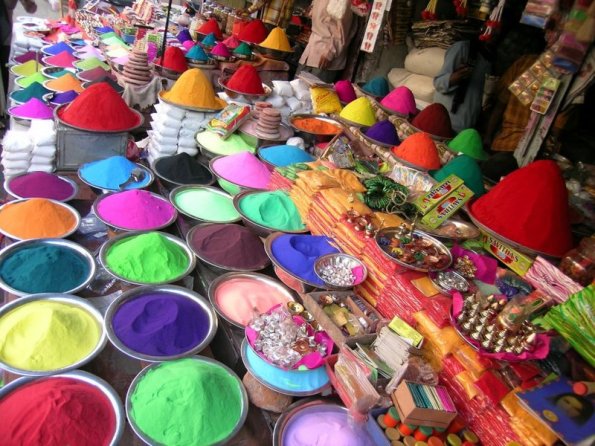
Holi Image: courtesy Web
For the uninitiated, I would request you to read about Holi and also have a peep at bright and colourful Holi images over the internet so as to get the essence of our dish.
Following are the characteristics of all recipes doling out of our littlehands, big hearth –
♥ Easy to cook
♥ Regular canned products off the shelf may be used (However, we advocate using fresh products)
♥ Goes well both as a regular or party dish
♥ Children can easily help in making the dish (My two little sous-chéfs are aged 8 and 3 years!)
♥ And lastly, guaranteed to be tasty!
Icecream Rasgulla with Blueberry Sauce
Category – Dessert; Cuisine type – Bengali Fusion
This soft dessert creates a semi-crunchy, ice-creamy taste combined with the most famous of all Bengali sweets – Rasgulla or Rôshogolla. Here we’ve used tinned Rasgullas due logistical constraints. But there is a superb link here regarding the making of Rôshogollas and is a definite read for those who are attempting to make Rôshogolla at home. Anyway, this is how to make our very own Holi-Special dessert, Ice-cream Rasgulla with Blueberry Sauce!
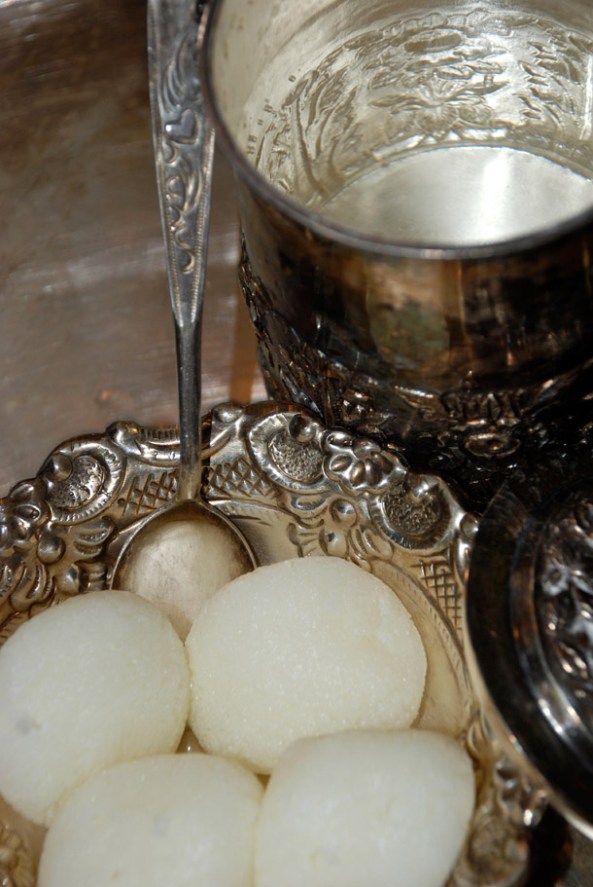
Serves: 10-15 persons
Preparation time: 10 minutes (Can be served only after 2 hours)
Ingredients:
1 can of Blueberry Pie Filling or Topping – Brand: Lucky Leaf
3 cans of tinned Rasgullas (30 pieces) – Brand: Haldiram’s
1 Lt Vanilla Icecream
1 Lt Strawberry Icecream
Method of Preparation:
Step 1: Open the cans!
Step 2: Pour the Rasgullas in a rectangular deep tray
Step 3: Take a huge ladle to scoop out the Blueberry Sauce
Step 4: Pour the Blueberry Sauce over the Rasgullas unevenly. Save a bit for the final touch-up!
Step 5: Melt the Vanilla and Strawberry Ice-creams and pour over the rows of Rasgullas – each Vanilla row alternated with a Strawberry row. Pour the remaining Blueberry Sauce over the Ice-cream layer and let it set.
Step 6:Freeze for a minimum of one hour so that the Rasgullas freeze as well.
Step 6: Take it out of the Freezer and let it thaw for half an hour before you serve. Otherwise, the Rasgullas will remain very hard.

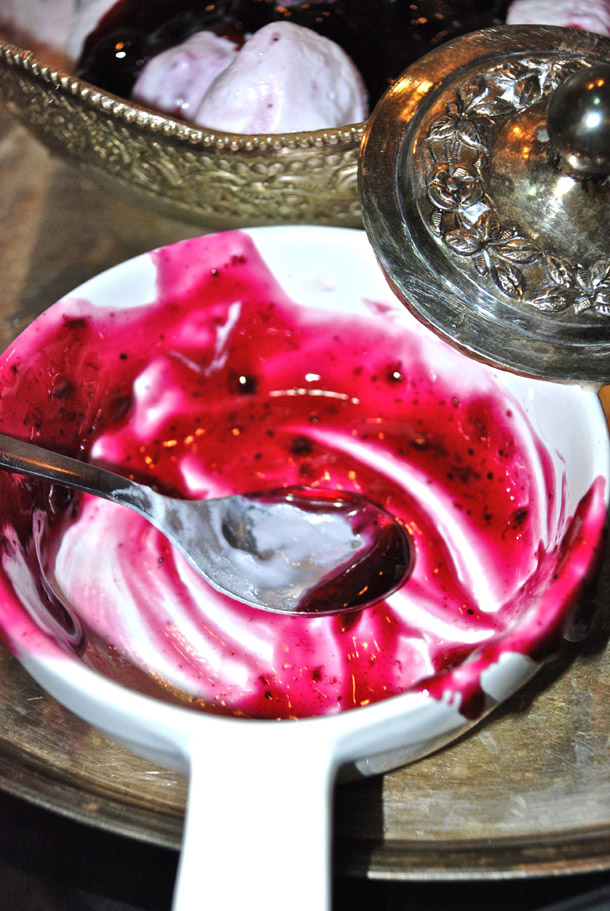
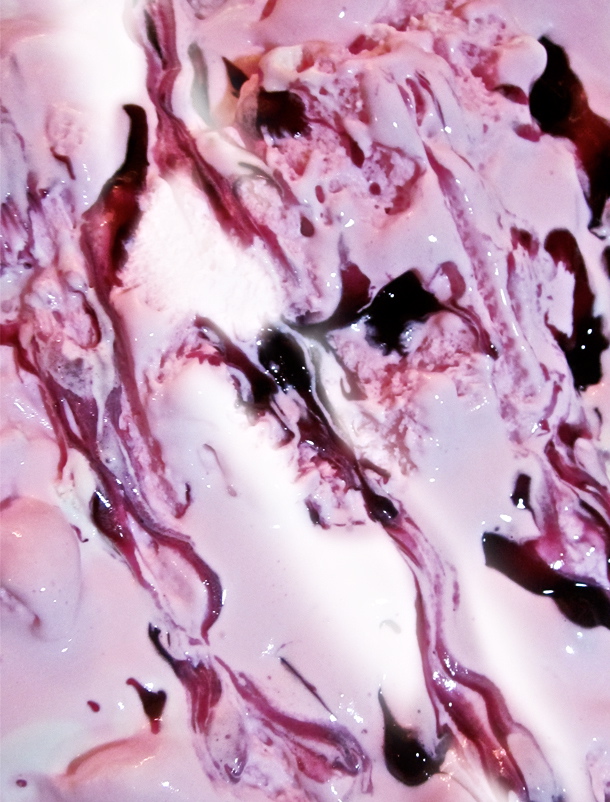
Links to more images of my photographic journey into the discovery of Rôshogolla and other Bengali Sweets. Everytime I take photographs I go on a crazy spree. But this time I was the craziest ever!
The Above 18 Version:
You may pour a bit of Cointreau or Bailey’s Irish Cream to add more ‘spirit’ to the festive fervour. This recipe of Icecream Rasgulla with Blueberry Sauce has also been published by friend, Yummraj in the category of Guest Blogger on the occasion of Holi.
So that was an icy twist to the Bengali’s very own Rôshogolla. For those uninitiated to traditional Bengali Cuisine, here‘s my pictorial guide. Enjoy the absolutely delicious, semi-crunchy, colourful Holi-Special dessert – Icecream Rasgulla with Blueberry Sauce and be immersed in the spirit of India’s most colourful festival. Wishing all of you a very Happy Holi!
Unblogging it all – Ishita
You may like the following recipes →

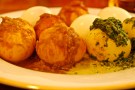
BE SOCIAL. SHARE THIS!

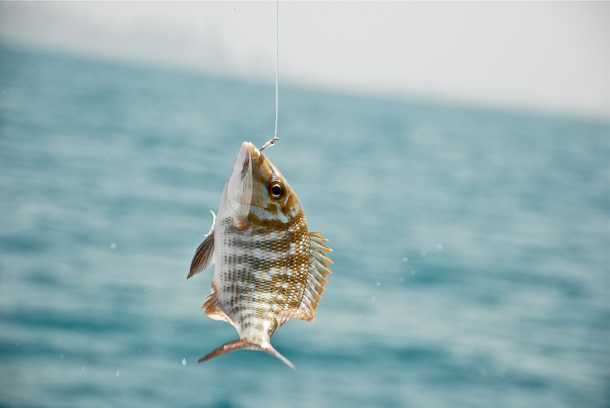
 Image: IshitaPhotoIdeas
Location: GPS Position: N 25º10.547′, E 55º 03.587′ – In the blue expanse of the Persian Gulf – 20kms away from the Dubai Coastline.
Activity: Deep Sea Fishing on a 33 ft yacht.
Duration: 4 hours
The team: 9 members – 4 couples, each couple comprising of a Team, plus the Captain cum Lifeguard cum Fishing expert cum Guide.
Status: 7 fish caught and declared a win-win situation only because of the experience of anchoring mid-sea and waiting for a good catch!
Highlight: NO KIDS!
We have been couch campers all our lives as I’ve already mentioned in a previous article – Couch Camping and Bonfires in the Balcony. For those who are new to my unblogging, this means that we have been camping from within our couches and content with mere bonfires in our balconies – though with all good intentions! But this time we ventured far – almost 20 kms away from the Dubai coastline and our beloved homes, leaving the Z-SISTERS behind. It was a tough decision for most of the members of our Fishing Team as we still hadn’t made a will, neither had we any clue as to who would look after the Z-SISTERS in-case we drifted further to the horizon rather than the coastline. And also because of the fact that the Z-SISTERS had always been, till now, a part of our travel and road banters. Since this was going to be our first sea banter, I guess we could take the liberty of breaking our own travel principles.
We sailed out from the jetties of Dubai Marina Walk in a 33 ft long yacht into the deep blue Persian Gulf on a lovely sunny Friday morning. Luck seemed to have been shining upon us from the very beginning. Just before we stepped out of our home, a beer bottle rolled out of the icebox we were carrying and broke into pieces. Some say that if a mirror breaks, it brings in 7 years of bad luck. The same was not valid, I guess for a beer bottle. I believe that it was the broken beer bottle that brought us 7 fish-luck!
Pre-Friday there had been exchanges of at-least 20 emails amongst all the members of our Fishing Team regarding what food we were going to carry on board. The list itself was so heavy that I was thinking whether we would actually be allowed to set sail by the Dubai Coast Guards! The final list resulted in carrying with us home-baked cake (in-case we didn’t come back home); egg sandwiches (in-case our low protein levels bogged down our energies); vegetable samosas as well as chicken samosas (in-case it happened that this was the last time we had any savouries, then it should only be the ones that we had grown up eating) and of-course huge cartons of Beers and chilled beverages in our ice-box( in-case we felt dehydrated from the sun). Remember, we also had to look absolutely chilled-out like in the advertisements – sipping from chilled glass bottles as we tilted our heads upwards and squinted our eyes in the sun as we sailed into the blue sea. After-all, it’s not everyday that one hires a yacht. It is a different story altogether that post-fishing trip we we were all seriously discussing if it made sense to pool in and buy a yacht and cultivate fishing as our new hobby. As if buying a yacht was like buying a car and fishing was just like playing badminton!
Image: IshitaPhotoIdeas

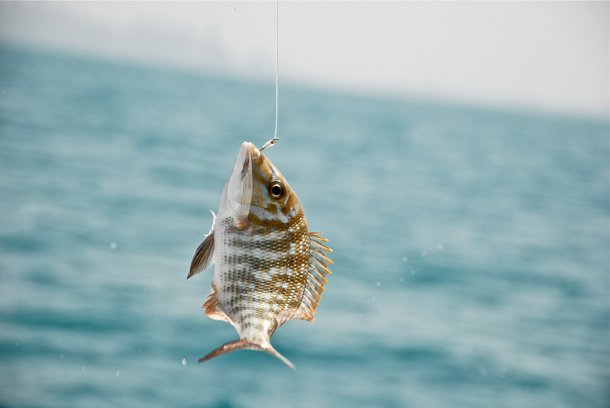

 Image: IshitaPhotoIdeas
All the teams geared up after a sumptuous meal to start on the actual act of fishing. I must admit at this point that I was only clicking pictures. It took us almost an hour to reach the spot in the sea that promised to throw out fish in bounties and stick onto the baits in our sophisticated angling lines like velcro! What seemed like a really easy task soon turned into a long waiting game. We were actually doing nothing but holding the angling lines and praying that some fish falls prey to our baits of deliciously served fresh calamari. So many times in our lives we all must have wished how wonderful it would be to be aimless and DO NOTHING. But for the first time we realised that even DOING NOTHING can be really stressful. More so, if DOING NOTHING entails just waiting for a fish to pop up.
Our captain soon pulled out the anchor and we sailed into another potentially lucrative spot. And yes, Lady Luck seemed to shine on us this time. Mr A of Team A caught one fish. It was Jerry. I mean the fish was called Jerry! Mrs A beamed with pride. After all, catching a fish was not a matter of chance. She proclaimed (I mean the expression on her face proclaimed) that it did require certain specific skill. Which till now we all seemed to lack. A bit later, Mr A caught another fish. Well, wasn’t the report card already out? This time, the Captain pronounced the fish was Sherry! Sherry belonged to the same family as Jerry, I guessed.
The following was the eventual tally list for the teams:
Team A – 2 points
Team B – 1 point
Team C – 1 point (this was my team though my contribution was only to capture the moments of each team’s achievements!)
The Captain – 1 point.
Now it was time to head back. Team D was anyway half-injured from the beginning as Mrs D fell heavily sea-sick and was confined into the cabin for most of the journey post-eating. Mr D was also getting sea-sick on compassionate grounds, I guess. And as we were about to wrap up suddenly he scored an unbelievable 2 points – 2 fish together! An absolute copybook photo-moment. And clearly the winning stroke was Mr D’s though Mr A should be given credit for the opening score. Statistically we caught 0.875 fish/person. I thought that was fantastic – if we didn’t consider the cost involved in catching the 7 fish which came to approximately Dhs 171.50/fish. And also if we erased from our memories that Sherry fish were available at supermarkets for Dhs 20/kilo!
To sum up,
The Experience of Fishing: Novel but Expensive.
But,
The Taste of Barbeque of Freshly-Caught-Fish-With-Our-Own-Hands accompanied by white wine after 2 days of continuous marination: Absolutely Heavenly and Undoubtedly Priceless!
Unblogging it all… Ishita
Image: IshitaPhotoIdeas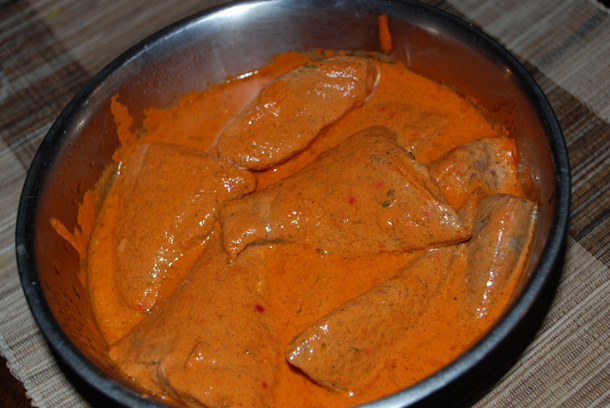
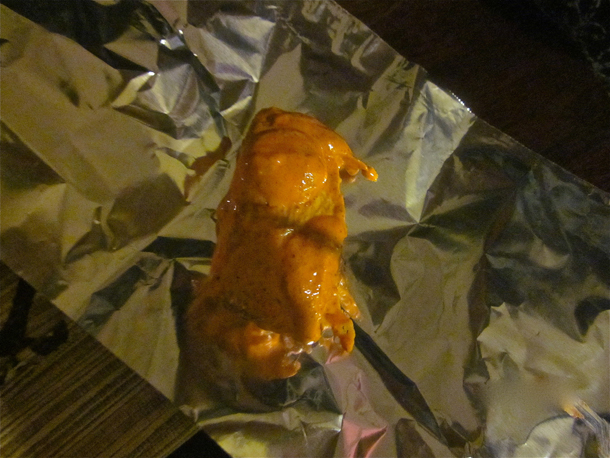


 Image: IshitaPhotoIdeas
Footnote: Each Sherry Fish was cut into half and marinated with ready-made Tandoori Masala (an Indian form of spice), garlic and ginger powder for 2 continuous days. Each piece was then wrapped by aluminum foil and barbequed. Fresh fish barbeque accompanied by white wine – these are stuff that can be a dream even for our tastebuds!

 IshitaUnblogged